Recently, my sister and I were laughing about Valentine’s Days of our childhood. Each year Mom would take us to the Kresge or Woolworth’s 5 & 10 to buy booklets of perforated Valentines. The large pages of the Valentines books each had 6 Valentines that we could very carefully punch out with the tips of the fingers. (Impatience would lead to one or two torn cards that had to be discarded.)
Nancy, my sister, and I would divide up the Valentines. Then began the tough job of choosing which card would go to which recipient. I seem to remember that in early February, our teacher sent home a list of the names of every student in our class. The purpose of the list was so we could be sure to have a Valentine for everyone. But, I hasten to note, not all Valentines were created equal – carried the same weight or emotional value. Giving a boy the doggie card (on the right above) would be embarrassingly forward. He would more likely receive a “Howdy, Pardner” card. While our best friend might get the little cocker spaniel with a special note in the red heart.
After addressing our cards on the back, “To Mary Alice, From Janice“, we began the really fun task of decorating shoeboxes to receive our Valentines. You see, on the day designated by our teachers for the Valentines party, we would bring in our Valentines for others AND a beautifully decorated, slotted shoebox as our personal mailbox. Before we commenced decorating, Mom would cut a slit into the top of the box – far too dangerous for us to undertake. Nancy and I would gather old wrapping paper, tissue paper, ribbons, buttons, lace, last year’s Valentines – anything we thought might be lovely as decorations. We would spend an entire Saturday before the party date preparing our Valentines Mailboxes. We had to carefully inscribe the boxes with our names prominently displayed so the correct Valentines would be secured in the right mailbox. Usually, we’d begin with swathing the cardboard box in pink or red tissue paper, carefully folding the ends and corners, gluing on the ribbons, lace, and buttons. We had to be careful not to glue down the box’s top, making it impossible to open the mailbox without destroying the decorations. That would never do! Even the inside of our Valentines mailboxes would be festooned with stickers, drawings, cutout pictures from magazines, whatever we fancied. (Of course, the boys’ Valentines boxes were never as pretty or interesting; sometimes they were even messy or unwrapped shoeboxes!)
At school, we would keep our Valentines mailboxes in our lockers until the end of the day, when they would be set out on our desks. (We sat at one desk all day and that same desk every day, so everyone knew where they could find us with notes, winks, or angry looks.) Finally, when the day’s work was completed, row-by-row, we would be allowed to walk around delivering our Valentines. BUT, we were not allowed to open our mailboxes until we got home from school. And so, we’d bundle up in our coats, mittens, hats, golashes, and, hugging our Valentines boxes close, trudge home through the snowbanks. Mom would have hot chocolate prepared, and we’d sit at the kitchen table and carefully open our boxes and spill the contents in a lovely, glowing pile of red and white onto the table. We’d read the names of each sender, just as though it was a huge surprise. And we would sigh and giggle at which Valentine each friend, or enemy, had chosen to send to us. (Of course, their parents had bought the same books of perforated Valentines at the 5& Dime.) When we’d looked at every one and weighed the significance of every message and picture choice, we’d put the Valentines back in the box and set them away… until some time when, alone, we would re-examine each card for any hidden message or meaning.
Ah, those were heady days, when all our hearts were so easily given and received.
As I bundle up before the fire and wish spring would hurry up, my thoughts often wander to the joys and activities that are ushered in with the spring’s breezes. Along with getting the bikes tuned up and the barbecue cleaned, those of us who enjoy working on our gardens also know there are tasks and plans that must be addressed. Maybe it’s finally time to have that flagstone path installed, or perhaps this is the spring when you remove that half-dead tree. After what the environment has suffered over the last eleven months, this may be the spring we really commit to doing more to protect and restore the environment.
With that last resolve in mind, here are three suggestions I’ve come across that will reduce our impact on Mother Earth. Each suggestion is easy to implement and sure to make you feel that you are making a positive difference for the environment.
First, water conservation.
Of course, we all try to be mindful of water usage in our homes. Our toilets, washing machines, and showers are fitted with devices to help limit the water flow. But, when we step outdoors, our gardens and lawns always seem to be calling out for another sprinkling, a good soak, more water!
Rain barrels: If you haven’t already done so, you might be ready now to commit to rain barrels at the bottom of each of your downspouts. They’re commonly available at hardware stores, and the children in your life can have fun decorating all the barrels. (They may already have done some of this at school.)
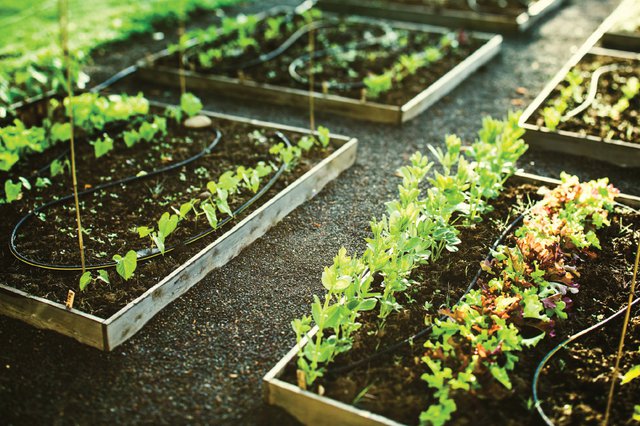
Soaker hoses:Switch out that uncooperative garden hose for a few soaker hoses. You can choose the type that roll out from the downspout, and after the storm they roll up again. The soaker hose allows the water to seep deep into the roots of your plants. Water is not evaporating or, as with my uncooperative sprinkler, watering the sidewalk and sometimes the street.
Grey water-buckets: An easy way to conserve water and keep your potted plants flourishing, both indoors and outside, is the “Bucket Brigade.” All you need are small buckets, one for each bathroom shower. (Perhaps an attractive model, hand painted by some clever artist in your life.) Put a bucket under the faucet when you turn-on the shower to let it heat-up. Instead of sending all that water down the drain, you’ll have a bucket of water to carry to your thirsty plants.
Gray-water plumbing:If you’re ready to really step up to more intensive water conservation, call in a plumber. Have the drains from your dishwasher and wash machine plumbed to go outside and into a containment receptacle. (There are plans online to give you some ideas.) Unless you’re very handy with PVC pipe, don’t try this on your own. Expand
Second, natural fertilizer and weed killer:
Nitrogen run-off is a major contributor to pollution and diminishment of plant and animal life in our creeks, rivers, and the Chesapeake Bay. We all know about the damage chemical fertilizers can cause. There are natural fertilizers and herbicides (weed killers) that can feed our plants and get rid of weeds without causing further damage to our waterways.
Compost:How many times have we read an article or watched a video explaining how to setup a composting site. It’s an excellent way to put leftover food waste and plant matter to use. But, it requires a discreet location to avoid unpleasant odors wafting over your neighbor’s fire pit and pesky critters rummaging through the composting material. So, an alternative for those of us who are reluctant to tackle our own compost bins…natural compost by the bag. You’ll find organic lawn and garden fertilizer by the bag at the hardware store and, sometimes, sold by the Chesapeake Bay Foundation and other conservation groups. They’re the best, often containing byproducts from regional fisheries. Farmers sometimes sell bagged manure as well.
Weed killer:There are lots of recipes online for mixing up a batch of effective weed killer. They usually involve vinegar and sometimes salt. You’ll find one that works for you. They have the added advantage of insuring the safety of children and pets.
The third conservation resolution is perhaps the most fun, native plants.
While it’s interesting to coax exotic flowers, shrubs, or trees to grow and flourish in our gardens, such pampered plants also demand lots of attention and special watering, fertilizer, and protection from pests. Think about replanting some or all of your flowerbeds with native plants. They’re hardy and attractive, and used to the weather conditions of our mid-Atlantic region. Usually, they require less water and are resistant to regional pests.
Ivy, Periwinkle, Ajuga, Sedum: You may want to replace parts of your lawn with hardy, green groundcover. Groundcover provides the same rest for the eye contrasting with the showy, taller flowerbeds. Groundcover can provide charming, seasonal blossoms as well. Periwinkle sports tiny, purple flowers in the spring; Ajuga leaves turn deep russet in autumn. Expand
Snapdragon, Petunia, Zinnia, Foxglove:Those flowers we might think of as “old-fashioned” have retained their popularity for a reason—they’re survivors. If you add groupings of these dependable plants to your garden, you’ll add color while saving worry and effort.
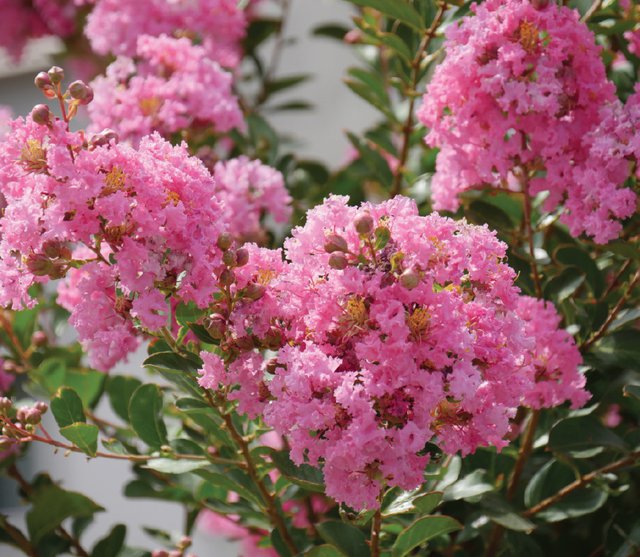
Locust, Gingko, Hickory,Crape Myrtles, and Redbuds: Drought-resistant trees are a boon to our landscapes and our lives. The Shagbark Hickory’s wooly bark is endlessly intriguing. Who can ignore the rosy blossoms and heart-shaped leaves of the Redbuds or the autumnal gold, fan-shaped leaves of the Gingko? (We won’t dwell on their stinky seed balls in the spring.) Crape Myrtles and Honey Locusts are familiar beauties.
After all your work implementing these suggestions, here’s a little hint to impress your neighbors and friends. Everything discussed here—water conservation, natural fertilizers and herbicides, and using native plants—is part of the gardening philosophy with the impressive name, xeriscaping, from the Greek “xeros” or dry.
January can be a tough month to navigate, looking out the window at the muted colors, the gray and white of winter. You may see bare trees, the buffeting wind, here and there a pile of brown leaves and twigs. But, don’t be downcast; you can change your point of view by changing your view all together. Yes, you can work magic, transform a small portion of your home into a springtime garden.
So, sit back, and imagine one of your windows, preferably a window facing east or south, bursting with greenery—frothy Asparagus Ferns, fuzzy Siderasis, fragrant Pineapple Sage, perhaps even a Date Palm or Orchid for a bit of the exotic, tropical vibe. You’re beginning to feel that spring sunshine already, right?
I propose a Window Garden as a project for this blustery January. You might find yourself imagining a window lush with green life, dripping from the “head” or top of the window and climbing along the frame. Or, you might want something a bit simpler—an arrangement of pretty plants all in a row along your window sill. You may want to be very bold and install window boxes on the outside of your window—now there’s a large-scale undertaking. For the purposes of our discussion, let’s stick with indoor window gardens.
For about 30 years, mid-20th Century, Jean Hersey was a popular and respected garden expert. Her popularity was in part attributable to her practical, easily followed instructions for beginning gardeners, and handy hints and clever ideas for the more experienced gardener. She wrote a number of books on gardening, including The Woman’s Day Book of House Plants. In that book she discussed the particular pleasures of window gardens. “When you give your care, interest, and affection to a garden of indoor plants they reward you with vibrant health, gay colors, assorted textures, and myriad fragrances.” Now that’s a resounding and irresistible endorsement; don’t you think?
There are four components in planning and executing a window garden. (Now, that’s not too demanding.) Part 1: Planning, Part 2: Planting, Part 3: Tools, and Part 4: Maintenance Tricks. So, let’s review what’s involved in putting a bit of springtime into your life right now!Expand
Part 1: Planning
Take a seat in your usual spot. Look around. Which window can you see from here? That’s the window where your little garden might prove the most satisfying for you. What direction does it face? Preferably east or south for the best growing sunlight.
Decide how expansive your tiny garden will be—plants only on the sill? Plants hanging and vining? How many plants will you want to create the effect you’re imagining?
Will you want to create a traditional garden with a random assortment of plants, or perhaps a water-garden of plants that can grow in water, or a fragrance-garden, or would it be fun to focus on a particular color scheme?
Part 2: Planting
Look at some pictures of house plants. Choose plants that match your level of commitment to maintaining them. For example:
• Easy to grow plants: Aloe—a succulent and good for healing scrapes and burns. Asparagus Fern—feathery sprays of rich green with tiny blossoms when it feels like it wants to. Begonia (many varieties to choose from)—pretty leaves and blossoms, easy to propagate should you decide to start a second or third window garden. Philodendron—an almost indestructible champ that can live in water or soil and loves to grow in any light. You can have fun guiding the tendrils up and around your window.
• Somewhat touchy but awfully nice: Peace or Spathe Lily—graceful arching leaves and scented, white blooms, needs careful attention to watering (not too much or too little.) Winged Pea—great for hanging with feathery, trailing foliage and exotic, red flowers, needs lots of sun but not too much. Miniature Rose—petite plant with delicate greenery and pink (usually) blooms, needs to be away from drafts. Camelia—glossy, deep green leaves and lush, fragrant blooms. Needs fertilizer all year through. Plan to set it outside in the summer to give it a real boost.
• Petulant beauties: African Violets—lush, fuzzy leaves form a nest of soft green with pink and purple violets bursting like sparklers. They’re lovely but sensitive to too much light and water. If you’ve got the “magic touch” they’ll charm everyone with their beauty. Orchid—strange, exotic leaves and tendril/roots with ruffled blossoms atop slender stalks. Another plant that demands the “magic touch.” Sea Onion—talk about a showy gal! A bulbous “onion” with graceful, trailing leaves and a tall, curving stalk festooned with tiny, white stars. A real show-stopper. But, keep her warm and carefully watered, watch for a scale that may form and can be removed.
Part 3: Tools
You may want to identify an attractive basket or box in which to store your tools for this tiny garden. You’ll be using these tools often, and having them nearby makes the tasks less onerous.
• Watering can, jar, baster, dropper. Depending on the plants you’ve chosen, you may want all these on hand to deliver just the right amount of water to each plant.
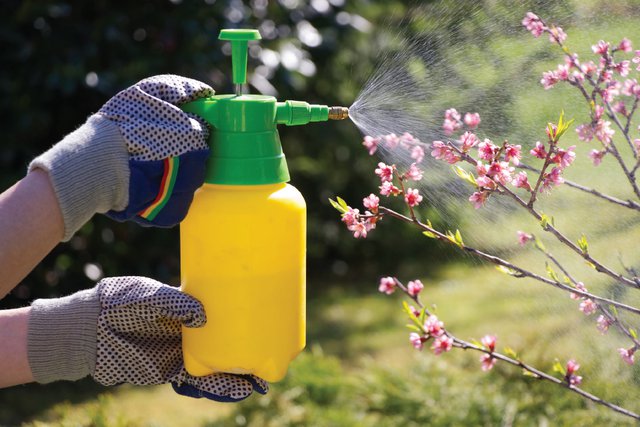
• Spray jar. Some of your plants will enjoy a light shower to keep their leaves fresh.
• Scissors, tweezers, garden shears. There will be dead leaves and over-zealous vines that you’ll want to remove. You may want to keep a little covered jar or pot nearby for these trimmings. They can go into your compost pile too.
• Plant food/ fertilizer. Unless you’ve included something exotic, any of the common fertilizers, powder or liquid, will do.
• Pencil, short stick. You’ll find the soil may get too compact. Use a pencil to gently poke holes in the soil providing the roots with better moisture and air distribution.
• Soft brush. While your home may be meticulously clean, dust does seem drawn to plant leaves. You can gently brush off the larger, firmer leaves. If the leaves become seriously dusty, dampen a paper towel with milk and wipe off each leaf.
• Floor lamp/clip-on lamp. If you’re finding the window you’ve chosen does not provide enough sunlight, add a lamp with a grow-bulb or a 100-watt bulb. Set the lamp on a timer to come on for 2–3 hours at dusk. (You probably don’t want your window lit up all night.) Expand
Part 4: Maintenance Tricks
No need to re-invent the wheel, as they say. Here are some hints from Ms. Hersey and other window gardeners.
• If your window is drafty, in the evening gently drop a sheet or linen towel over sensitive plants to protect them until the morning sun warms them again.
• Do a bit of pruning when you notice a stray branch or leaves. Keep your plants shapely and properly sized for their locations. Don’t wait until it becomes a big task. (Remember those scissors in your tiny tool-kit.)
• Turn the pots every week so the plants will receive sunlight on all their leaves, otherwise, they’ll become lopsided and flat or thin on one side.
• Egg shells and coffee grounds can make excellent pepper-uppers for your plants. Mix the crushed shells grounds in an old jar or can somewhere unobtrusive. Then, once a month or so, sprinkle the mix on your plants. You may want to poke a few holes with that pencil before adding the shells and grounds.
Well, that sounds fairly simple, doesn’t it? This is a project that can be completed in a weekend but will bring you pleasure for days and weeks to come. You might grow so fond of your window garden that you’ll keep it going all year long. And, it’s a great project to do with children of almost any age. Take lots of pictures to record the progress of the growth and blooms as they emerge. There might even be some botany lessons rolled into the gardening; who knows.
Like every other event and occasion over the last nine months, the holidays will look and feel quite different this year for most of us. With that in mind, I have been thinking of ways we can apply our love of nature and gardens to the joyful task of devising gifts for neighbors, friends, and family.
I’m proposing, dear reader, that the most appreciated gifts this Holiday season may very well be the gifts that “keep on giving,” the gifts that are alive. No, I’m not talking CHIA PETS here, though they can be lots of fun, too. I’m not proposing you pass out puppies or parakeets to friends and family. Rather, I’m thinking of plants and seeds that will engage their new owners and provide days, weeks, months, and, if they’re lucky, even years of pleasure.
So, what are some of the issues you’ll need to consider before preparing your flora gift list?
First, think about delivery:
• Will you present the gift in person, leave it on the doorstep? or,
• Will you be sending the gift by mail?
Second, what do you know about the person receiving the plant?
• Health issues: Does the person have allergies? Breathing problems?
• Time issues: Does she/he have lots of time to fuss with a plant? Is his/her schedule always packed? Does she/he need only carefree plants?
• Household issues: Does she/he have lots of space to give over to plants? Are there lots of windows and sunlight available? Are there small children who might be curious and interested in a plant? Are there pets that might be tempted to taste or play with a plant?
Third, what is the depth of the recipient’s knowledge of and interest in plants?
• Does he/she have plants already?
• Is she/he a gardener, experienced with plants?
• Will he/she enjoy acquainting him/herself with a new type of plant and its particular requirements? The idea, of course, is for the gift to be fun for the recipient.
Once you’ve reviewed your list of those for whom a plant will be appropriate, you’ll be ready to move ahead with the fun part—selecting plants or future-plants for your family and friends.
For our purposes, let’s consider two categories of plant gifts:
• Future-plants, namely seeds/sprouters and bulbs, appropriate for mailing.
• Living plants of various types, appropriate for personal delivery.
Consider future-plants for friends and relatives who are far away, too far for you to deliver a gift in person. Seeds and bulbs are also ideal for children and for those who may have restricted mobility. Watching seeds sprout and grow and watching bulbs produce roots, stems, and blossoms can be exciting and great fun…if you have time to watch and note the changes that come with each passing day and week. Expand
Seeds/Sprouters: It’s fun to give a gift of sproutable salad fixings—a salad-in-a-box. Lettuce, chives, radishes, turnips, broccoli, kale, and beans are great choices. They’ll grow from seeds easily and quickly. Pictures can be taken, measurements too. If sunlight is hard to come by, a desk lamp or growing light will do. In a pinch, your seed-kit could serve as a science project for home schoolers.
Think about making up a cleverly packaged 4-part growing kit for the seeds. You can start with simple (1) cardboard egg cartoons for planting seeds. Or, you can buy specially designed growing boxes at the hardware store. While you’re there, pick up some (2) potting soil. (You can make up small zip-bags of soil sufficient for the project.) You may be able to get the (3) seeds there too; but if they’re not carrying seeds in December, you can quickly order them on-line.
Okay, the most important and fun part of the “kit” will be (4) your Growing Guide or note, explaining which seeds are included and a step-by-step guide for preparing the seeds and watching them grow. (Harvesting the plants will be self-evident, we’ll hope.) Use the personal “guide” as a way to make the gift special for the person(s) receiving the kit. Have fun. Draw pictures or paste in cut-outs from magazines or the web. Be sure to give some idea as to how long it will take the seeds to sprout, grow, and be ready for harvesting. Don’t be afraid to be creative with your Growing Guide.
Bulbs: There are several colorful and fragrant bulbs that can be shipped and take well to being “forced” to bloom indoors, during the winter. Think about mixing a group of Tulips, Crocuses, Daffodils, Amaryllis, and Paper White bulbs. Or, simply send one bulb, plump with the promise of springtime ahead. (Choose bulbs that are plump and firm. The size of the bulb will depend upon the size of the bloom it produces; thus, a Crocus bulb is much smaller than an Amaryllis.) The gift of a bulb is a way to engage your friend or relative in a project with you. You can plan to occasionally phone or email with an inquiry as to the progress of the bulb’s growth. She/he will have the double gift of the lovely flower(s) and the contact from you.
Now, for bulbs, your “kit” will be a bit different. Since you’re mailing this, I would suggest the water and pebbles approach to growing rather than planting the bulbs in soil. Your kit will include a (1) low, flat vase or bowl of a circumference that leaves room for the number of bulbs you’ll include and deep enough to half-submerge the bulbs in water. You’ll need enough (2) tiny pebbles to cover the bottom of the bowl and halfway up the bulb; mail them in a zip-bag. (3) Pack the bulb(s) in soft tissue to protect them in transit. Then, write your (4) Guide Book note. Again, make it personal, fitting the person who’ll receive your gift. Be sure to explain that they’ll need to add water to the bulbs half-buried in pebbles. Give them an idea as to how long it will take for the bulbs to sprout, grow, and bloom. Pictures will be welcome, I’m sure. Have fun personalizing the guide.
And now for the local gifts. These will require less “prep-work,” but more thought. You have lots of choices of plants that will make lovely, treasured gifts. Go back to those three considerations: health, time, and household and review your gift list, make notes as needed. If you enjoyed making up the plant-kits, you can certainly prepare similar kits for personal delivery. They’ll still be fun and special.
But you may want to give your friend an established plant—perhaps something rather exotic or significant to him/her. For example a pretty, sky-blue Forget-Me-Not plant. With any plant you give, two things will make the gift memorable. First, the pot in which the plant arrives. The (1) flowerpot should reflect the style and tastes of the person receiving the gift. They’ll notice! Second, the (2) personalized Growing Guide. Yes, living plants need explanation too. There are the obvious hints about amounts of light, fertilizer, and water. Add comments about blooming (if the plant does so) and issues such as pinching back stems and removing dead blossoms. Include a few words telling the recipient why you chose this plant for her/him. The plant will be an extension of you, of your thoughtfulness. (This is an excellent project for children too. They can give plants to their friends and write and draw their own Growing Guides. They’ll learn a bit about botany and about their friendships.)
Let’s begin with the Easy-Care plants:
• Air Plants: These frothy ferns seem to grow on air alone. They can be “potted” in anything, a baby shoe or seashell. They only need occasional misting to thrive.
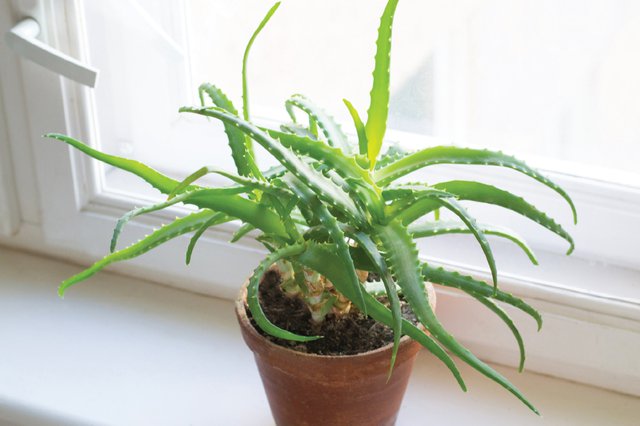
• Succulents: Chicks-and-Hens, Jade and Aloe are tried-and-true choices. They’re slow-growing, with plump, green leaves. Succulents need sunlight but little water. (Think desert plants.) Aloe’s long, slender leaves can be pinched off, slit open, and the moist, inner substance applied to cuts, scrapes, and burns to relieve pain and help with healing. (I’ve used-up many a poor aloe applying its healing sap for family first-aid.)
• Lucky Bamboo: Three to four stalks of bamboo in a tall jar or vase filled with pebbles and water will grow for years. They’re lovely for an elegant, minimalist look.
• Peace Lily: Beautiful, glossy leaves and elegant, white blooms twice a year make this plant a favorite gift. In addition to being fairly hardy, indoors, they do a fine job of absorbing toxins in the air, cleansing and freshening any room. They’re a member of the philodendron family, not lilies, so they’re pretty easy to maintain.
• Philodendron: These green or green-and-yellow vines are fun and easy to maintain. They need little attention, and the vines can be trained around a tiny trellis or pinched off and rooted in the soil for even thicker growth. Fun for folks who have no confidence in their gardening skills.
• Snake Plant: These old-fashioned favorites are quiet fellows. Long, thick, variegated leaves grow from a central base and curve as they grow upward. They seem to live oblivious to their surroundings—ideal for someone who wants no fuss or bother, but might enjoy the look of elegant greenery in foyer or bathroom.
Onward to the plants that may be a bit more demanding:
• Orchids: Elegant, varied in colors and sizes, orchids are lovely to give and to enjoy in your home. They have a reputation, and rightly so in my view, of demanding quite a bit of attention and care. I won’t go into the specifics here, but this is a perfect gift for someone who likes to really learn about things, get to know everything about a topic. He/she will have great fun getting acquainted with a beautiful orchid.
• Goldfish Plant: These delightful plants have shiny leaves and gold-orange blossoms (goldfish like, some say.) They’re African Violets, so they too can be particular about their care, but if you get it right, a Goldfish plant will charm you with its cheery blossoms throughout the winter.
• Ferns: If you’re a fern lover, you know they’re a bit particular about their surroundings. But, ferns are so varied in form and lush in appearance, they are stunning additions to a room. The Boston and Maidenhair Ferns are the most familiar. They were very popular before the advent of central heating because they enjoy a chilly room, as long as there are no drafts. So, friends who keep their homes chilly will have great success with ferns.
• Spider Plants: These are wonderful plants for hanging baskets. There is green or green-yellow variegated leaves and sprays of stems with tiny spider plant babies at their ends. The effect is somewhat like a fountain spray or fireworks of new life exploding from the heart of the mother plant. Great fun to snip off the babies and root them in water for later replanting. Soon, there will be a family of spider plants to give away.
There are many other suitable plants for giving, of course. These are only a few of the most common and reliable choices.
After you’ve devised, packed, wrapped, and delivered your gifts, sit back and enjoy the delighted responses from those who received your thoughtful, living gifts. Psychology Today notes that one of the most valuable gifts is the gift of experiences. If we can’t be together to share experiences, the gift of a living plant can allow us to share the experiences of the garden remotely.