

Friends & colleagues, Jade Dee & Wilnona Marie are published their third annual literary magazine., And I Thought. My interview with Wilnona and Jade begins on page 67.
And I Thought Shop (andwethought.com)

Friends & colleagues, Jade Dee & Wilnona Marie are published their third annual literary magazine., And I Thought. My interview with Wilnona and Jade begins on page 67.
And I Thought Shop (andwethought.com)

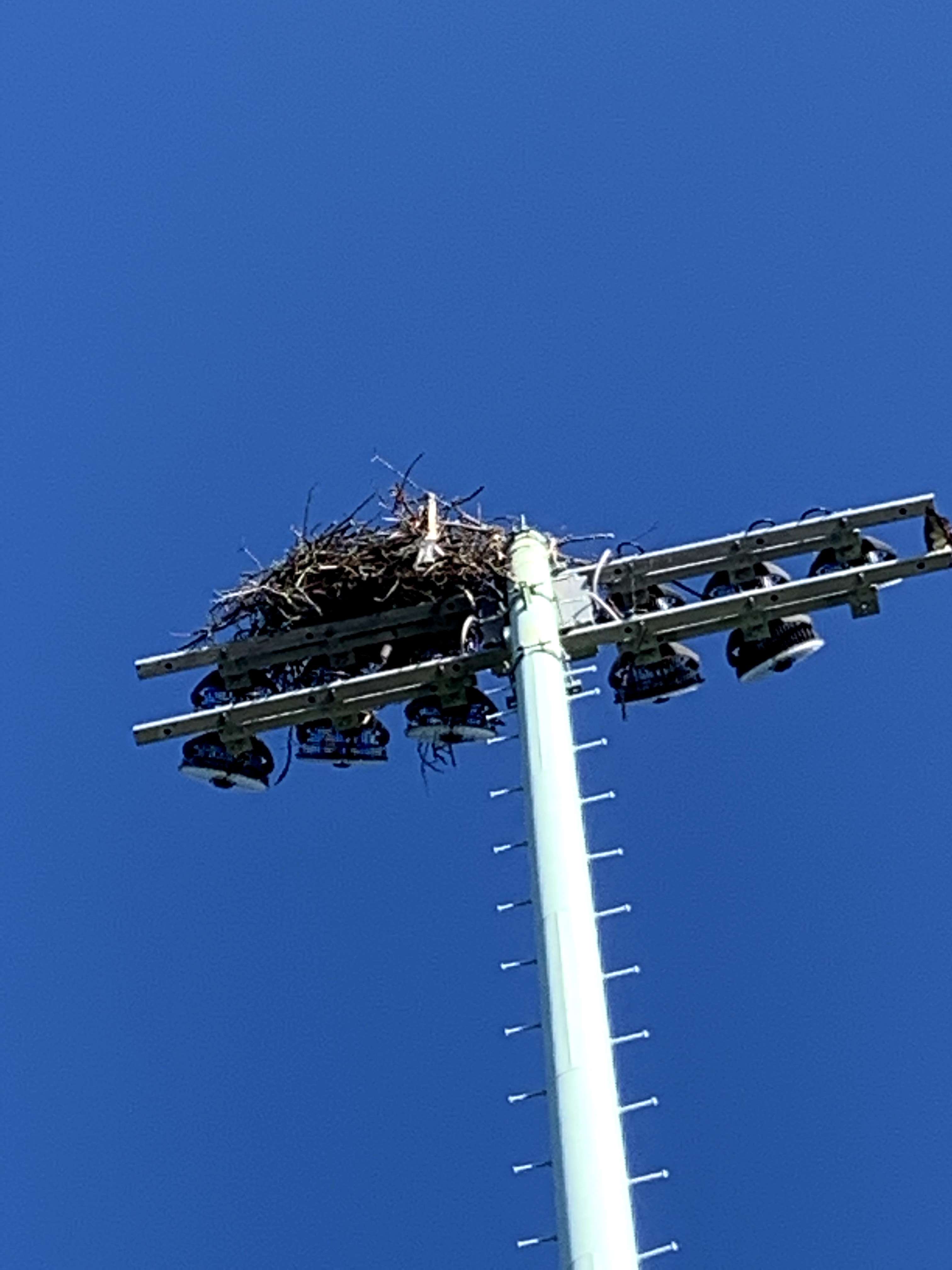
Today marked the first time in 17 months I have been able to walk around the Naval Academy – a walk I’ve enjoyed for 20 years. Not only was it a pleasure to return to the trees and waterway views I’ve enjoyed for many years, but I had the added bonus of sharing the delights with Larry. We had a leisurely walk, and I tried not to be too anxious about my old friends, the ospreys Opal & Oscar, who’ve nested at the Academy for many years.
My heart stopped as we approached the outer perimeter of the “Yard” where we could see the field-light pole and the sturdy nest perched on top. One of my old friends – Oscar or Opal, was on the adjacent pole. I will look forward to keeping a look out for both old friends over the coming weeks.
I also observed over the soccer field a second nest, perhaps one of Oscar & Opal’s progeny. I didn’t see the birds or get close enough to see the nest’s construction. I’ll keep you updated.
MAY 27, 2021

I would like you to consider a new component for your garden; perhaps one that will be fun for you and refreshing for your outdoor space. While it’s true that for some of us, gardening is a solitary pleasure, we still welcome appreciative comments on our efforts from our family, neighbors, or friends. With that in mind, consider a new element in your garden, a project that will satisfy you and delight others; how about creating tiny Theme Gardens? The size of these little treasures will depend on your enthusiasm and space. They can be any size, from a small grouping of flowerpots to an entire flower bed or even the entire garden. You may have seen examples of the recent craze for miniature and fairy gardens. In fact, they seem to harken back to the ancient Bonsai container gardens for which trees and other plants are carefully tended to create a landscape in miniature. But, I digress.
A Theme Garden or a group of such gardens might be a way to engage your horticulturally-challenged family and friends in gardening. There are a few ways to do that. If you have children or grandchildren, even neighborhood kids, you might offer them the opportunity to claim a garden. Or, you might create gardens for them and have them guess which is for them and what the themes are; sports, book titles, favorite places. It can be fun to brainstorm ideas with your 12-year-old for a soccer garden. She might use the shells of old soccer balls, planting flowers in them that will bloom in her team’s colors. Or, how about a garden based on a favorite book, Treasure Island for example? A wooden packing box might be transformed into a treasure chest, dripping with jewels and cascading ferns and ivy. The children might make a competition of the gardens, keeping their ideas secret and inviting everyone to guess the theme, sort of a mime game with plants. For the wee folk, how about small pots, each containing a plant for a letter of the alphabet. (No need to do all 26; maybe just the vowels, or the letters of a child’s first name.) The children could paint or draw labels for each plant-letter to be taped to the pot or stuck in the pot on a straw. Expand
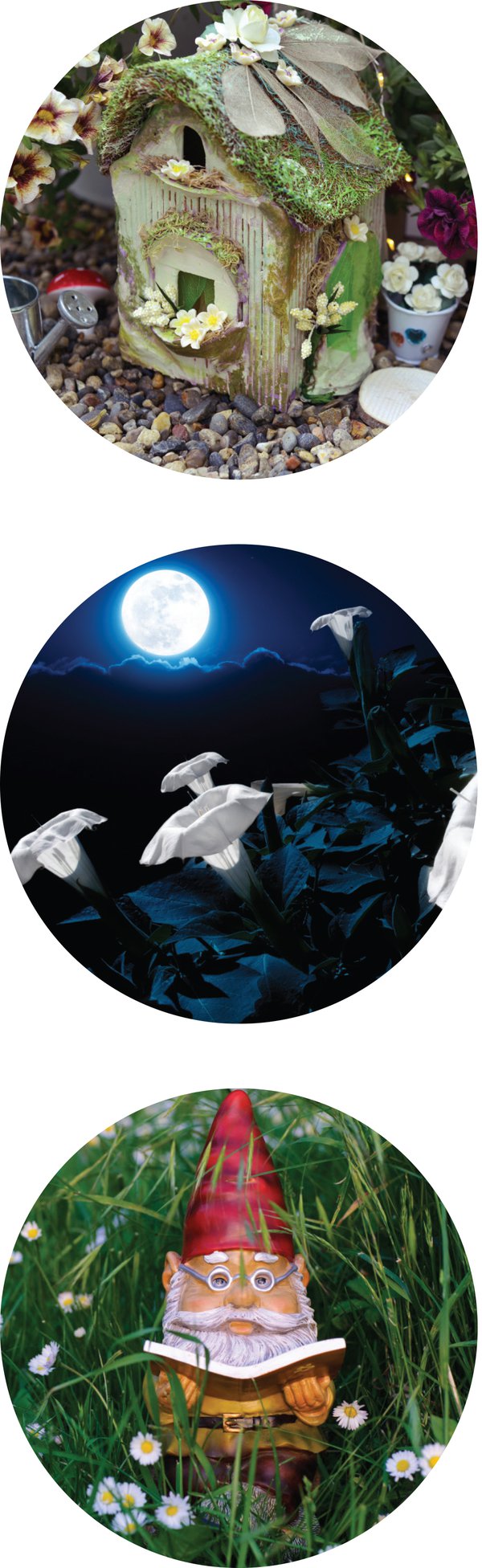
If that doesn’t catch on with your younger set, you might want to tax your own creativity and design a mystery theme garden. Invite folks to guess the theme of the garden(s). You could choose a historical period; the Colonial age or medieval times and create a garden filled with plants that would have been common in that period. Another idea is to create an honor garden for someone or some event. Perhaps your parents’ favorite flowers, or a grouping of plants recalling your trip to Italy or Arizona. Instead of a photo album, why not a photo garden? You might laminate copies of some favorite family photos; attach them to ribbons to hang from your crape myrtle tree or placed among the plants on stakes, and build a theme garden around those memories and people. You could harness any of these theme gardens to an educational goal. Encourage kids to see history through the lens of nature and plants. Make biology and botany part of their real-world experiences. Invite young people to consider their heroes in light of the natural world. Even geometry could be explored through miniature gardens—the hexagonal, rhombus, and diamond gardens would be a challenge. And how do you calculate their areas? How much soil is needed?
Okay, now that you’re getting the idea—how about moving beyond the herb garden… What could we do with a burrito garden or a snacks garden? How about that tiny avocado tree you’ve been coaxing from the seed? And what about some heads of iceberg lettuce? Now, cheese may not be feasible, I realize, but perhaps some yellow loosestrife or goldenrod? If you squint they resemble grated or lumps of cheese, don’t you think? And as for a snack garden—baby carrots, cherry tomatoes, radishes, a vine of green beans or peas, even a raspberry bush or a few strawberry plants in a hanging basket…doesn’t that sound tempting?
And, while we’re thinking of food, how about a Native American garden? You might need more room, but the traditional “3 Sisters” garden—corn, beans, and squash—would make for interesting conversations with admirers. Native Americans knew that these three plants completely support each other and those who plant and harvest them. In addition to providing a complete balanced diet, these three plants support each other, literally. The corn stalk supports the pole bean vine; the bean vine pulls nitrogen from the air and into the soil to feed the roots, while the squash vines cover the soil and roots, protecting them from wind and sun damage—wise lessons there for us all. Another type of Native American garden is an apothecary garden. Similar to an herb garden, the apothecary garden contains medicinal plants. (You might include these plants in a Colonial History garden as well.) Rosemary grows well in our climate, and it’s purported to boost one’s memory as well as reduce swelling. Aloe Vera is a familiar and reliable succulent that eases burn pain and helps heal scrapes and cuts. Hardy Valerian, when brewed in tea, helps with relaxation and relieves indigestion. And our sweet, familiar Wooly Lambs Ear is the original band-aid. Soak those fuzzy leaves until they’re soft, then apply them to a cut or scrape. Expand
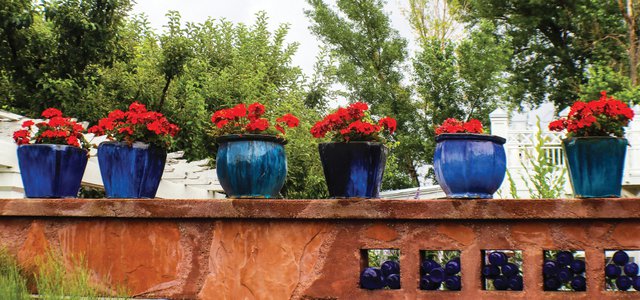
And finally, my last suggestion, and perhaps my favorite, is a Moon garden. The idea here is to use plants whose variegated leaves and white blossoms reflect the moonlight. The blousy, night-blooming Moonflower and Evening Primrose are two beautiful options. You might want to create your moon garden around your handsome Southern Magnolia, with its stunning white blossoms. Candytuft beneath and a delicate clematis vine winding through the garden would all glimmer in the moonlight.
Whatever theme or themes capture your imagination, I know you’ll have fun expanding on these suggestions. Gardens offer us endless opportunities for reinvention and restoration. This is a spring like none we have enjoyed before. We are all in need of restoration and perhaps reinvention.
JUN. 04, 2021
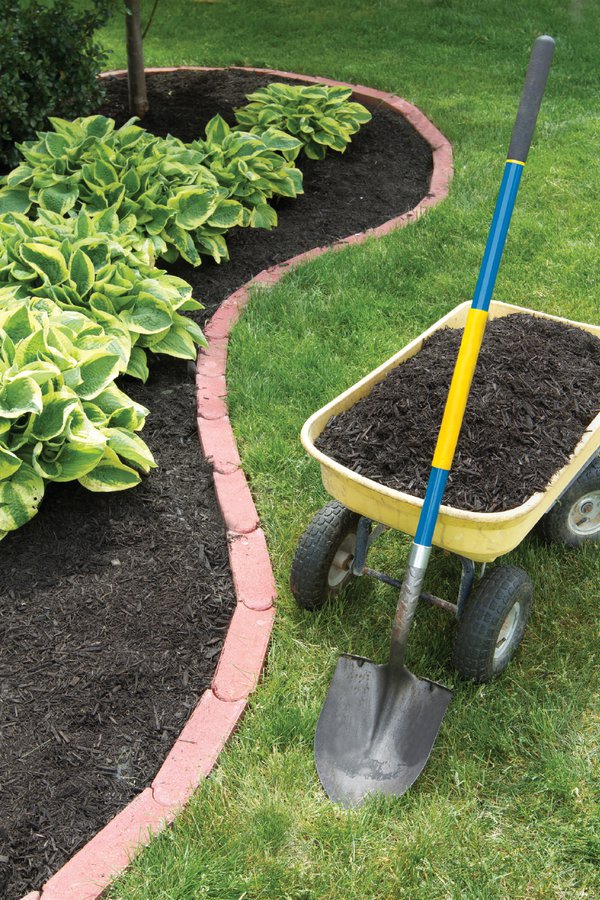
This too-MULCH-uous topic comes up among gardeners seasonally: Is mulching really a good idea? It’s a lot of work and some expense. Why should we mulch? When? What kind of material? Where? How much? “Mulching or not” seems an issue with many reasonable points of view, depending on your tastes, your budget, and your sense of environmental responsibility.
Professional landscapers and serious gardeners are strong advocates of mulching for very good reasons. However, there are pros and cons to all the methods and materials available for the job. This may be the year you want to investigate an alternative to traditional mulching, one that is effective, attractive, and inexpensive. So, here we go.
There are five excellent reasons to mulch, which means covering the soil with organic or synthetic material around plants, bushes, and trees.
Mulch can… 1. Suppress weeds, easing the burden of maintaining a happy, attractive flower bed or vegetable patch. 2. Retain moisture in the soil when it’s dry and protect the soil from erosion when heavy rains pelt the earth. 3. Insulate the soil from the extremes of summer heat and cold winter weather. 4. Potentially improve the soil’s quality by adding nutrients and encouraging earthworms and oxygenation. 5. Contribute to a tidy, well-groomed appearance in the garden areas.
For all the reasons just reviewed, mulch is best applied in the late springtime and late fall. It’s probably unwise to mulch too early, when the mulch could settle on top of emerging plants and seedlings. Heavy mulch could deform and even smother the new plants and new growth. Also, the compacted mulch may insulate the still-cold earth, keeping the warm, spring sunlight from penetrating to the dormant roots below. Waiting until May or even early June gives the garden lots of time to offer up its promising growth to be admired and protected by the careful placement of protective mulch. After a long summer and in preparation for the cold winter months, fresh mulch can be reapplied. A word of caution, however: In the autumn, wait to lay down the fresh mulch until the leaves have been blown, raked, and collected. If fresh mulch is applied too early, it may be raked up and blown away with the leaves, twigs, and detritus. (Note: If you compost your leaves, you may have the makings of an excellent, organic mulch for the coming spring. See below.) Expand
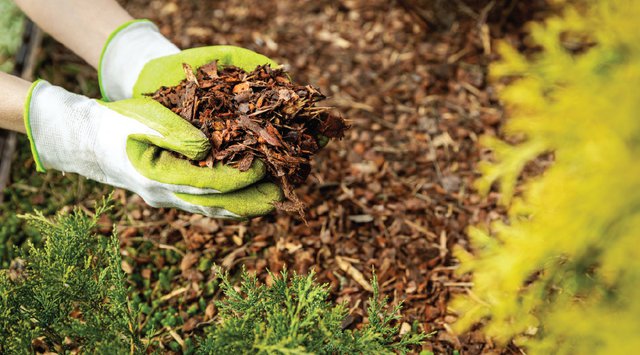
There are a few basic qualities that characterize good mulching material. It should be light-weight, free of bacteria or fungus, and clean (no weeds or seeds). That said, there are two basic types of mulch, organic and inorganic.
The common inorganic varieties are rocks, stones, rubber, plastic sheets, and geotextile or landscape fabric.
Organic mulch includes, straw, compost, bark, wood chips, leaves, and pine needles—natural materials.
You might decide to use more than one variety of mulch in the garden. Or, you may decide to skip the mulch and go directly to ground cover, low-growing plants such as English ivy or Periwinkle, that provide the same benefits as mulch. (More on this later.) Expand

Professional landscapers and serious gardeners are strong advocates of mulching for very good reasons. However, there are pros and cons to all the methods and materials available for the job. This may be the year you want to investigate an alternative to traditional mulching, one that is effective, attractive, and inexpensive.
All of the organic mulches provide similar benefits, those five we discussed. A few additional points about organic mulch: Compost is delightfully “pollinator friendly,” encouraging bees and other insects to come closer—always good for the plants and flowers. A word of caution, however, as compost should be loose and only partially decomposed when applied. Otherwise, it can remove oxygen and leach nitrogen into the soil. Not good! “Sour mulch” as it’s aptly called can ruin your plants.
All the wood products—bark, chips, leaves, and needles, afford an excellent source of nutrients for the soil. As they decompose photosynthesis occurs, cleaning the air of toxins, absorbing carbon monoxide, and releasing oxygen. (Ground cover provides this same advantage.) Bark is often dyed, allowing for colorful flowerbeds. Be careful to check that the dye used in the bark is non-toxic. Leaves are readily available and easy to compost. They must be ground or broken up, however. If left unmodified, the leaves matt and may smother young plants and form a hiding place for insects and mice.
Straw (not hay) is a byproduct of grain and provides an inexpensive, clean ground protection. However, it’s not appropriate for urban and formal gardens. It is inexpensive and often used for vegetable gardens.
Cardboard and newspaper are useful secondary mulching materials. If the paper products are undyed and free of wax or gloss-finishes, they will serve well as an underlayment for another mulch, such as chips or bark. The wood fiber in these products breaks down slowly and smothers weeds.
Inorganic mulch products include rocks, gravel, stone, rubber mulch, plastic, landscape fabric—all of which are easy to maintain and long-lasting.
Stone, gravel, and rock are tidy and relatively permanent options. They are best used for paths, around trees, and, generally, in places where the weight of the stones will not harm plants or shrubs. Rocks and gravel are relatively permanent. It is a chore to place them, and an even bigger job removing them from a bed or walkway. In addition, rocks absorb heat. They may overheat the soil beneath and kill plants and even young trees. Plan carefully if you choose these forms of mulch.
Rubber mulch is durable and excellent for play areas, requiring little maintenance. It is unaffected by heat and humidity, and stays free of fungus and bugs. Since it’s rubber, it is heavy—which is the good news (won’t be blown away) and the bad news (potentially compacts the soil beneath). Rubber mulch does not enrich the soil and may leach heavy metals, such as zinc aluminum, and chromium, into the earth. It’s expensive, gives off a slight odor, and, in my experience, floats out of the flower beds in a serious downpour. (I watched my tidy mulched flowerbed washed clean of its expensive, fresh rubber mulch!)
Plastic and landscape fabric efficiently discourage weeds and help retain moisture. They’re excellent in early spring and fall as blankets, keeping the plants’ roots warm. They’re best laid in fresh, new flowerbeds and vegetable patches. It’s tough to install plastic or fabric in an established bed.
Finally, a word or two in support of a mulch alternative—-ground cover. In our region Vinca minor, Myrtle, Periwinkle, and English ivy thrive. They provide an attractive, easily maintained protection for the ground. (Keep an eye on the ivy in case it tries climbing up a tree or wall.) Ground cover that is living carries on photosynthesis, cleaning the air of toxins, absorbing carbon dioxide , and releasing fresh oxygen. There are many color variations, and Periwinkle and Myrtle produce sweet, tiny, purple flowers. The only drawbacks are that they take a year or two to fill-in. (Which can be a boon if you’re adding them to a bed that has young plants that need to mature a bit before sharing space with ground cover.) Some of the groundcover may die, and you’ll have to remove that section and replant.
So, lots of choices and a few cautions as you consider what you’ll do next fall—mulch…or maybe not.
APR. 21, 2021
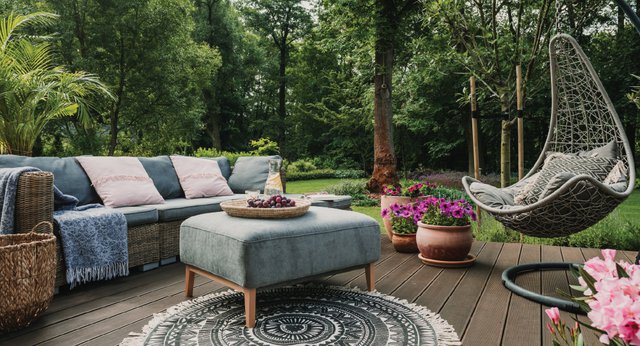
For, lo, the winter is past, the rain is over and gone; the flowers appear on the earth; the time of the singing of birds is come, and the voice of the turtle is heard in our land.
I can’t assure you that the rains are past, and I’m not too sure I’ve ever heard a turtle’s voice, but these beautiful lines from Ecclesiastic’s “Song of Solomon” seem to me just the right note for this season in the garden. We’ve come through a long, difficult winter, and many of us have rushed early into our gardens to look and plan and dream of better seasons ahead.
We may have spent some of our daydreams imagining which bulbs will burst into bloom first and how lushly the camellia or the azalea’s blossoms will cover the bushes. But, let me turn your thoughts and imagination to an asset in your garden that may have been either overlooked or overused through the long winter past—your porch, deck, or patio. Perhaps now is the time to plan a few projects to freshen up that transitional space—half house, half garden. Through the winter months, you may have used your patio as a place to more safely meet friends or just breathe some fresh air. Or, maybe you preferred the cozy indoor spaces and left your deck chairs and tables covered and unused.
So, let me propose, first, we re-examine how you and your family and friends can comfortably enjoy your garden’s beauty from your porch, patio, or deck. Second, let’s consider ways to enhance your outdoor living areas. And finally, how can we bring our gardens into or nearer our porches and decks, bring Nature’s charms within easy reach.
Depending on the style of your home, you may have a porch or porches and a deck. A patio is often part of a townhouse or condominium’s amenities. Sometimes, one or more of those structures, particularly a front porch, is overlooked and underutilized, its beauty and usefulness left untapped. So, looking first at a front porch, consider that it is more than a setting for the front door and steps. Think of your front porch as a gift box inviting guests into the beauty contained inside. The porch can set the tone for the residence—calm and sophisticated or casual and bustling. We’ve all read and seen videos on the importance of the front door, both for design and color. Perhaps what surrounds that front door can be equally inviting. The size of your front porch dictates your plans. The long porch facing the front yard and walkway flower beds is the perfect place for inviting neighbors and friends passing by to stop and chat. A few chairs and small table provide a conversation area and a great setting for a cascading fern or perky, pink begonia. For a comfy, old-fashioned look, install a porch swing suspended from the ceiling or on a glider-frame. A swing can be a handy way to turn away from the neighbor’s driveway and face the attractions of the front yard. Expand

If your front porch is little more than a stoop, don’t despair. Look at the porch as an architect might. The support for the roof—could there be columns rather than posts? Would adding a wrought iron railing add a touch of elegance? Here too, bring some of your garden’s beauty to that tiny porch. A tall urn filled with elegant plants or a low bowl overflowing with blooming flowers might sit invitingly beside the front door.
The back porch, patio, or deck will be much easier to update and freshen. Lighting is important, and easy string lights are great. But, you may want to consult an electrician about adding recessed lighting on the steps leading from the porch or deck. Seating is equally critical to a comfy outdoor area. Simple wood or vinyl chairs will work. You can choose cushions for added comfort. And, again, add some potted plants to your porch, patio, or deck. The porch has one important difference in that it’s usually roofed. So, if you’re choosing plants to bring on the porch, consider shade plants: coleus, sweet potato vine, vincas, hellebores, and impatiens. Lots of color there. And think about looking up! Hang some plants from the ceiling; bicycle hooks are sturdy and easy to install. Another option is to install a trellis on the porch or patio. Add rectangular pots beneath the trellis, and plant vines that will find their way up the trellis. This is great if you have some unsightly recycle cans or a neighbor’s garden shed to hide.
Even if your living space is interior, you might want to consider expanding out into lawn or garden. One simple way to do that is by creating a small seating area. This doesn’t have to be set up on a permanent slab or wooden platform. Your two chairs and small table might be placed, picturesquely, near the tall pine in your backyard, or next to a group of azaleas. If you wish, you could even pick up a few paving stones at the hardware store and put them under the chairs for stability. Or, why not have a small area set out with timber or brick borders and fill that square with gravel or crushed shell? This impromptu patio can be a charming gathering place. Expand
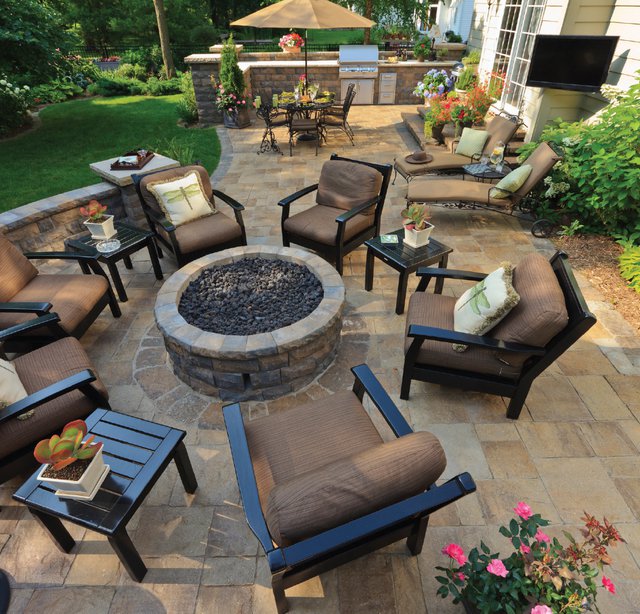
If you’re ready for a bigger project, why not consider screening-in your porch, patio, or deck? While the screens will lessen the breezes, they’ll also keep out the pesky mosquitoes, flies, and midges that plague us day-and-night. If you decide to go with screening the porch, add ceiling and pedestal fans to the area. They’ll keep the air moving.
In addition to the planters, trellises, and hanging pots we’ve already discussed, you can bring your garden onto the porch in other ways. It may be interesting to set up a little plant nursery on the porch. Start some seeds, they could be flowers or vegetables, even an avocado pit or pineapple top would be fun. As the weeks go by, you can enjoy watching the seedlings and shoots grow and strengthen. (And, if they don’t make it, just quietly dispose of them and start again.) You might want to frame a group of your garden photos to hang on the porch. You don’t need a wall, you could suspend them, one below the other, from the ceiling—a great conversation piece.
Whatever you decide to do, I hope you’ll enjoy the voice of the turtles and the touch of the breezes in your garden, as I will in mine.

