Please Don’t Eat the Daisies:

Part 2: They May Be Toxic

by Janice F. Booth

Apr. 25, 2023

Daisies1.jpg

Last month I wrote about some of the tastier plants we can grow in our own gardens—plants offering us both beauty and benefits. This month, I want to warn you about some of the plants that may be lovely to look at, or not, but can cause you, your child, or your pet to get a tummy ache, a rash, a racing heartbeat, or worse. 

I’ll begin with a review of some of the most common poisonous plants, and some less common toxic ones. I’ll note plants that are dangerous for pets too. Then, I’ll give you a few rules-of-thumb for identifying dangerous plants. And finally, some first aid options that might help you avoid a trip to the clinic or ER.

When it comes to health and poisonous plants the best idea is to familiarize ourselves with the appearance of the most common and prolific plants that can cause pain or a rash. There are lots of sites, including Pinterest and the CDC, that have charts we can print out and thumbtack to our garden shed or backdoor as handy reminders of the most common poisonous plants. (Remember: some of us are more sensitive to toxins than the general population. If you have a sensitive tummy or delicate skin, you want to really study this list.

Common Plants Poisonous/Toxic to Humans 
Daisies2.jpg

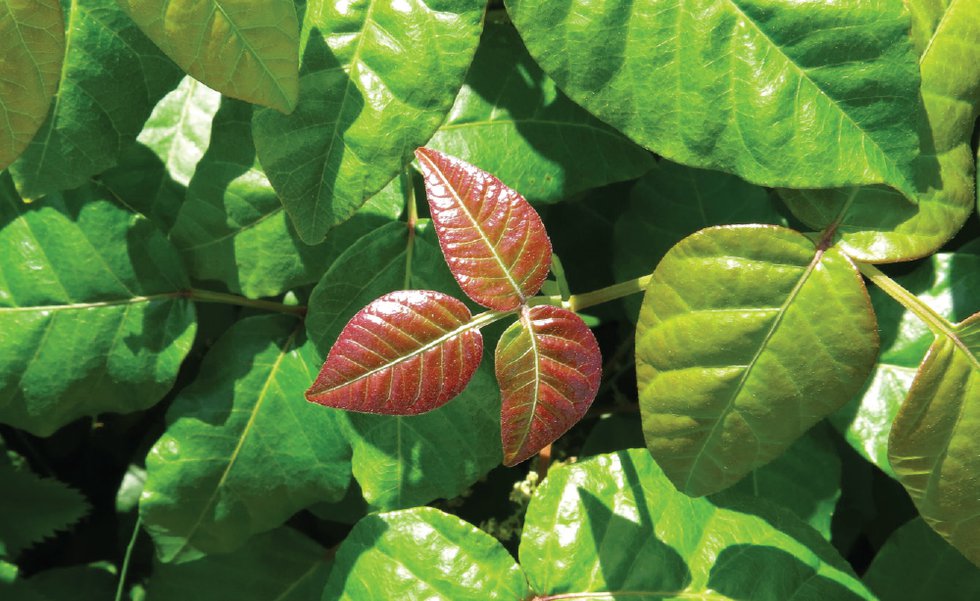
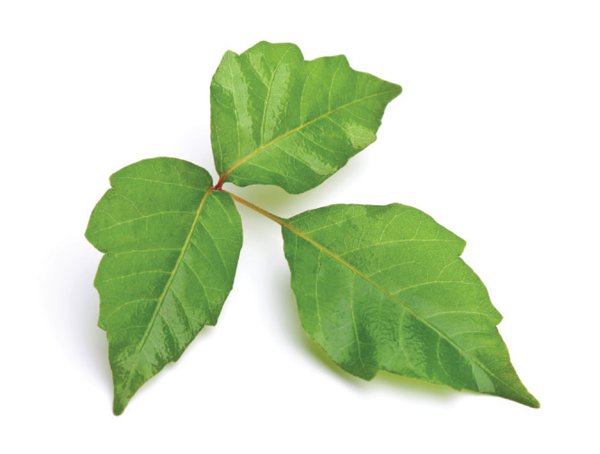
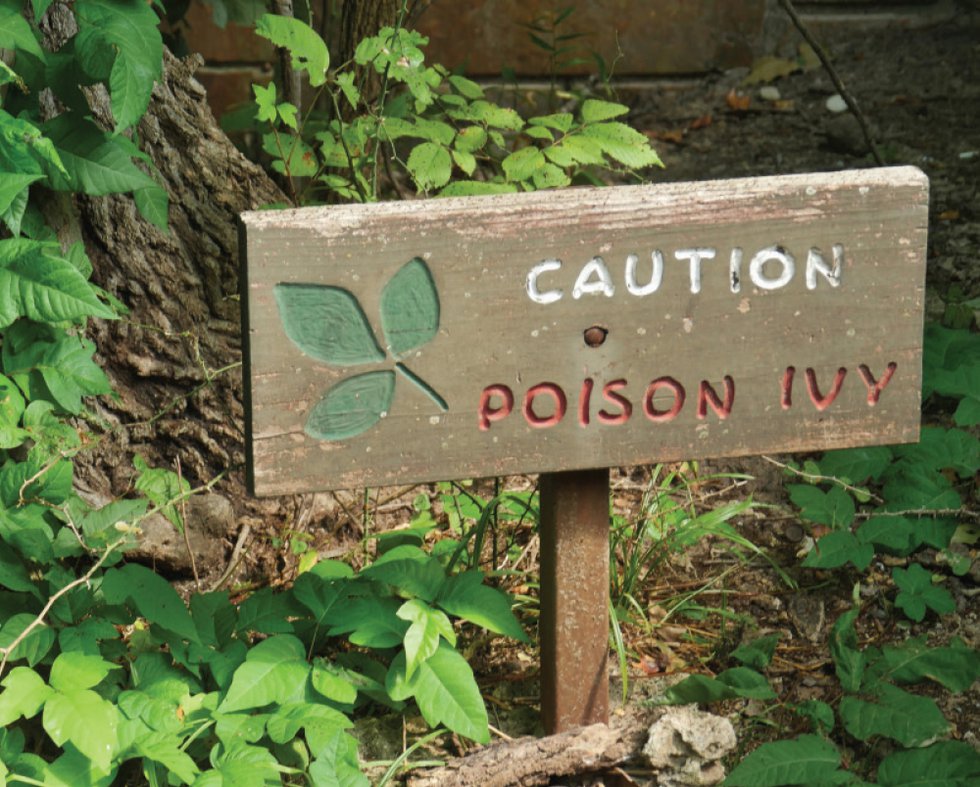
Poison Ivy: clusters of three leaves, each pointed, green, and glossy with white berries in autumn. The vines can be tricky, snaking among leaves and plants and popping up “suddenly” anywhere. You might pull out a pop-up cluster, only to find the vine goes on-and-on through your flower bed and up a tree. Stay alert! Do not work to remove the leaves or vines without first protecting your hands, arms, and legs with washable coverings. (Even if you have previously touched poison ivy with no ill effects, your body loses resistance, and next time you may develop a nasty reaction.) 

Daisies3.jpg

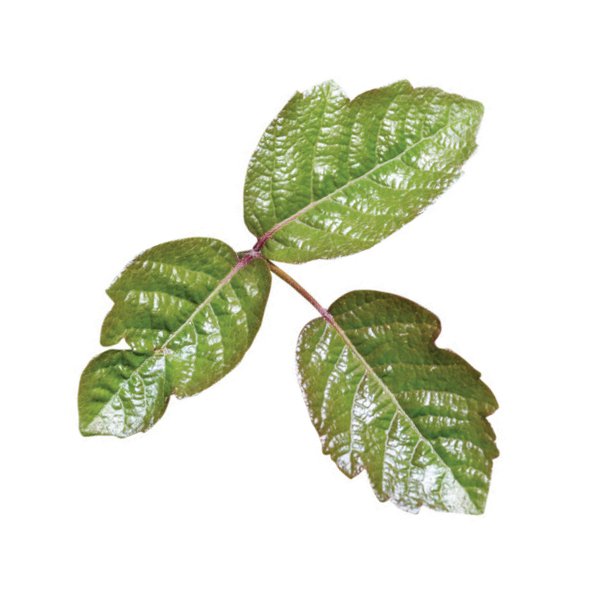
Poison Oak: prevalent in wooded areas; shiny, lobed leaves—rounder than poison ivy. Three-leaf clusters cause rashes and respiratory complications. Both stems and leaves are poisonous. 

Daisies4.jpg

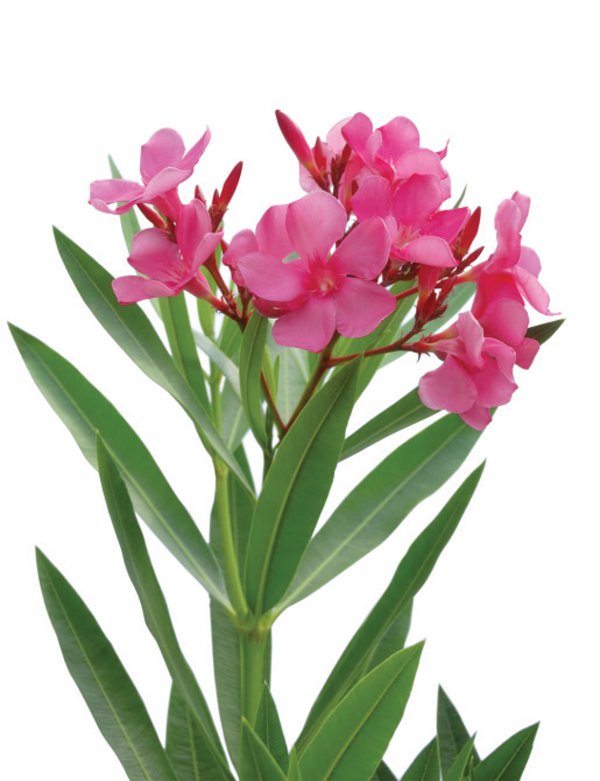
Oleander: tall, bushy, dramatic shrubs with slender leaves and blousy blossoms of tiny, clustered flowers in gorgeous pinks, rose, and white. Oleanders are evergreen. Both the stems and leaves are poisonous, even when dead and fallen among dry leaves in autumn. So, be careful when raking if you have beautiful oleanders in your flowerbeds. 

Daisies5.jpg

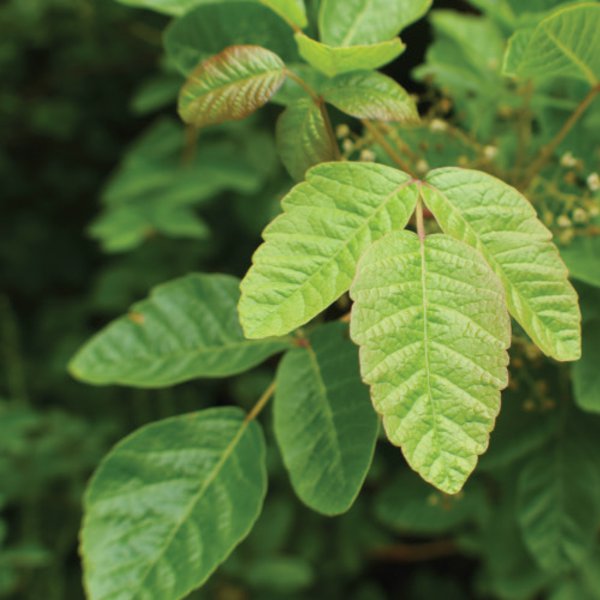
Poison Sumac: large shrubs with fuzzy green stems and leaves and bunches of green berries that just beg to be used in a pretty arrangement in your house. Don’t fall for it! The berry clusters and leaves are likely to cause a rash or worse. (Sumac with red berries are not poisonous.)

Daisies6.jpg

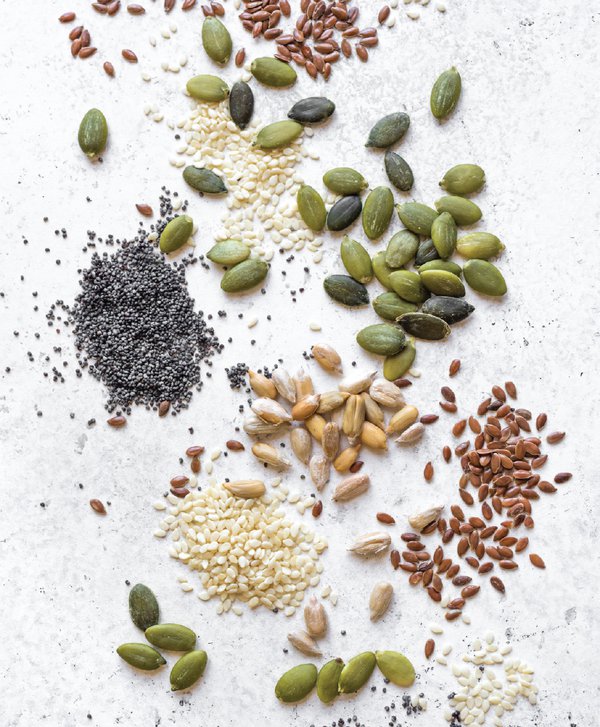
Common Plant Seeds Poisonous/Toxic 

Less dangerous seeds of some plants are still poisonous. We probably won’t pop a few unidentified seeds into our salads or our trail mix, but, just in case, here are some of our favorite garden flowers whose seeds are going to make you sick if you ingest them:

Four O’clocks: With trumpet-like red or yellow flowers. They grow to be 1–4 feet tall. 

Foxglove: Tall, elegant plants with bell-shaped flowers clustered around the top of the stalk. Every part of the foxglove is poisonous! 

Jack-In-the-Pulpit: Yes, those old-fashioned darlings with creamy pitcher-shaped flowers produce toxic seeds. 

Lily-of-the-Valley: Our fragrant, little flowers that fill in beneath the oaks and maple trees, produce small orange seeds in late summer. Leave them alone. 

Morning Glory: Another old-fashioned favorite, vining around our fences and porches, with blue and purple blooms peeking out at every turn. Those black seeds are toxic.

Sweet Peas: With the prettiest slender vines and curly-cues and those clusters of 4–5 lavender blossoms, the seeds are still going to make you ill if eaten.
Expand

Daisies7.jpg

Mildly Toxic Plants to Pets 

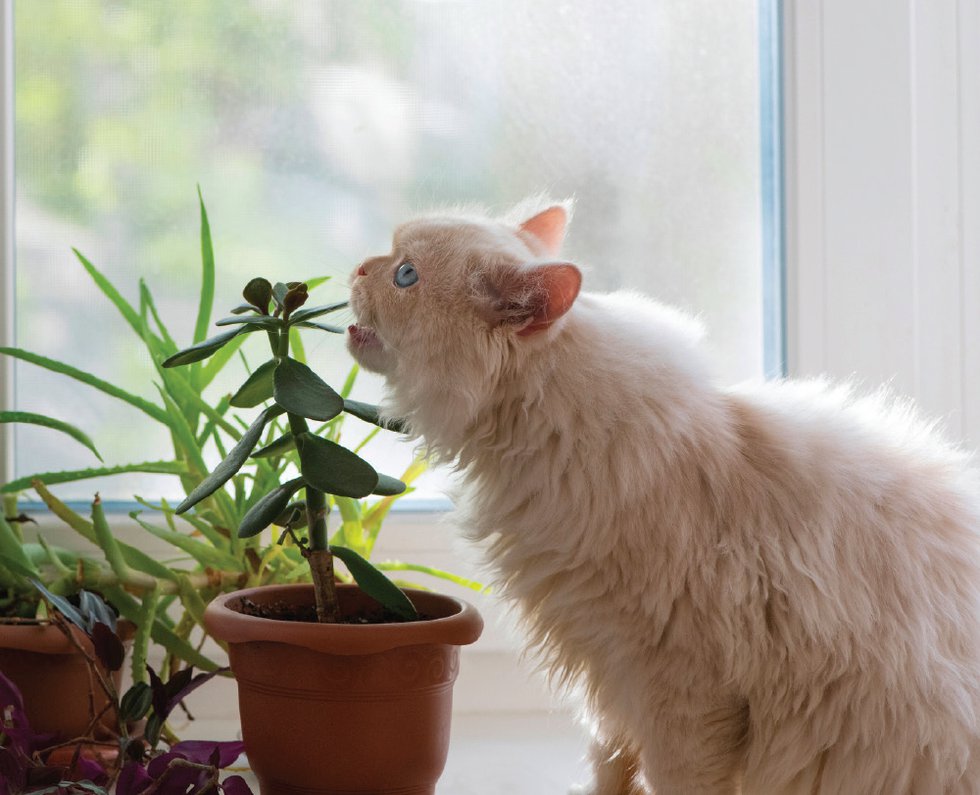
We know our furry friends often let their curiosity get them into trouble, and they rub against almost anything, eating and chewing on everything they encounter. So, beware. (Check out the American Kennel Club’s web site for helpful advice on keeping your dogs safe.)

House plants:

Aloe (ironically, what is healing to our skin makes cats and dogs ill, if ingested) • Corn plant • Dieffenbachia • Fichus • Peace Lily • Poinsettia  • Snake plant

Outdoor plants: 

Keep your dog from digging up and gnawing on your bulbs; they’ll give him/her a tummy ache! Most of the flowers we rely on to bring color to our gardens, if eaten, will make dogs and pussy cats sick! For example:

Begonia • Chrysanthemums • Daffodils • Foxglove • Geranium • Hyacinth • Iris • Lily • Lily of the Valley • Tulips

And if your dog is a chewer, ready to gnaw on any branch that he or she can reach, be aware of these toxic shrubs:

Azalea • Holly • Hydrangea • Ivy • Oleander • Peony • Rhododendron • Sago palm

Moderately Toxic Plants to Pets:

Azalea • Holly • Ivy • Norfolk pine • Rhododendron 

Extremely Toxic Plants to Pets:

Calla lily (actually, most types of lilies) • Hydrangea • Mistletoe • Oleander • Sago palm • Skunk cabbage 
Expand

Daisies8.jpg

To prevent the adverse effects (rash, nausea, vertigo, or more severe):

1. Familiarize yourself with the appearance of common toxic plants. 2. When working in areas of the garden that may contain toxic plants, wear clothing that covers exposed skin and is washable. 3. Wash clothing and any contaminated skin if you suspect exposure. 4. Avoid petting until you have washed the fur of any pet that may have been in contact with toxic plants. 5. Do not burn toxic plants or parts of toxic plants; the smoke will still be poisonous.

Quick first aid—if the suspected contamination is to a person whose health is already compromised, go immediately to a medical provider for care. For less vulnerable exposures:

1. Remove any contaminated clothing. 2. Wash contaminated skin, fur, clothing, and equipment with soap and water. Tecnu soap is noted for its effectiveness. For mild exposure, rubbing alcohol can be used to cleanse skin.  3. For a mild rash, cold compresses and antihistamines and/or Calamine lotion may work.

Now that we’re all eager to get out there and dig in the dirt, I hope we can avoid an unpleasant bout of nausea or itchy rash to start the gardening season.
by Janice F. Booth

Posted in Nature, Published articles | 1 Comment

Please Don’t Eat the Daisies: Dining on Your Garden’s Flowers

Mar. 08, 2023

garden1.jpg

“You are what you eat” is a familiar adage. If that viewpoint makes sense to you, why not add flowers to your diet? Flowers are serene and lovely and we all can use a bit more serenity and beauty in our lives. Let’s also consider our gardens’ beautiful blooms for their flavor and health benefits. 

There are two basic groups of edible flowers, those that are nutritious adding proteins, vitamins and/or minerals, and those recognized as herbs adding flavor and aroma. Both types of edible flowers provide specific taste enhancements and many offer potential health benefits. Since herbs are more familiar, I’ll save them for last, and begin with the nutritious flowers.

Nutritious Bloomers

garden2.jpg

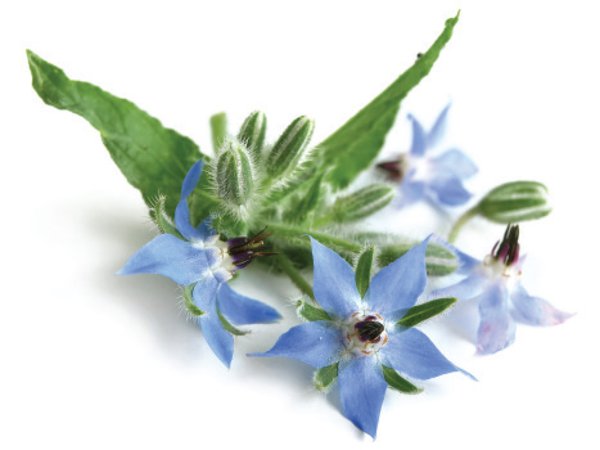
Borage: also known as Starflower, has a slightly sweet flavor, a cross between honey and cucumber, if you can imagine that. Both its flowers and leaves can be eaten to treat coughing and sore throat. Borage can be used in salads, or in soup.


garden4.jpg

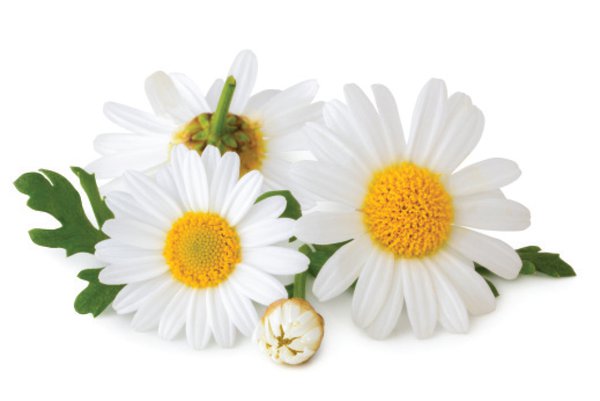
Chamomile: a pretty, daisy-like flower with fern-like foliage, has a mildly sweet and earthy flavor that makes a popular tea or smoothie. It can also enhance baked goods and other desserts. For centuries, chamomile has been used to treat fever and cure all sorts of conditions, including anxiety, stress, and insomnia.


garden6.jpg

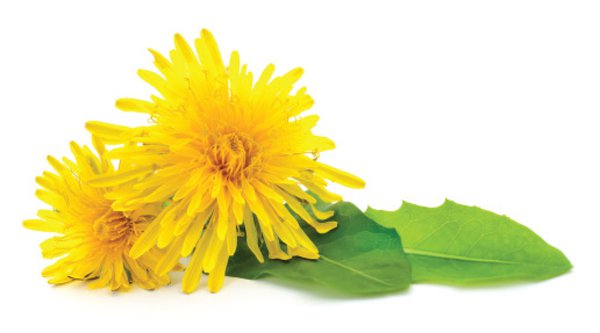
Dandelions: those ubiquitous beauties get a pretty bad rap. Every part of the dandelion is edible—roots, stems, leaves, and flowers. Their flavor is honey-like, and they provide antioxidants that help protect us from heart disease, cancer, and other illnesses.


garden3.jpg

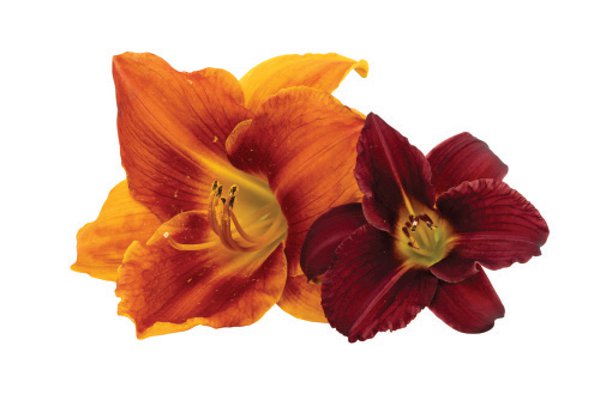
Daylilies: are hardy and prolific; you’ll have no trouble gathering unopened buds. Fry or stir-fry the buds. The result will be a sweet, crunchy fritter that provides a healthy dose of protein and vitamin C. Daylily fritters treat constipation as well as colds and swelling/edema.


garden5.jpg

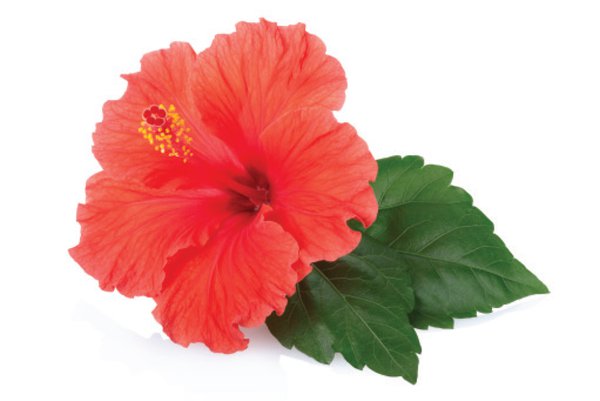
Hibiscus: those colorful, blousy beauties taste sweet and slightly acidic, and can be brewed as tea, and added to salad or cocktails for beauty and taste. Hibiscus can help lower blood pressure and cholesterol levels.


garden7.jpg

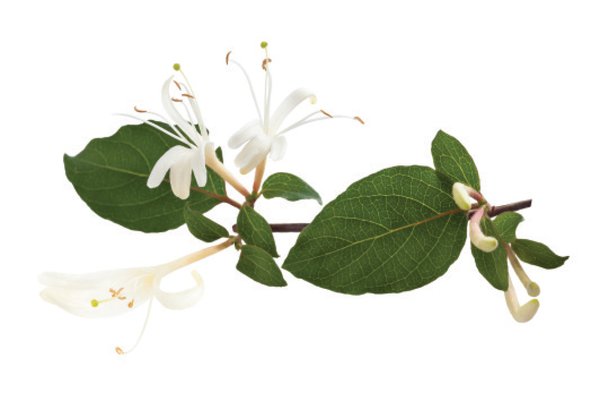
Honeysuckle: is a bit tricky. As the name suggests, the flower has a sweet taste, which makes excellent tea or lemonade. The blossoms can even be used as a sugar substitute. But a caution: Do Not Eat the berries, leaves, or stems which are toxic!


garden8.jpg

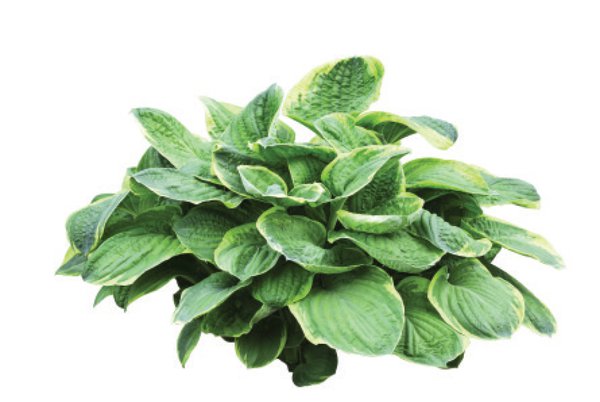
Hostas: our grow-anywhere darling of low-maintenance flower beds is more than just a pretty puff of variegated green. Their leaves and the mid-season flowers are tasty, rather sweet. In addition to being a great source of minerals, hostas’ leaves reduce inflammation and pain. Caution: While hostas leaves are good for people, they are toxic to dogs and cats, causing vomiting and diarrhea.


garden9.jpg

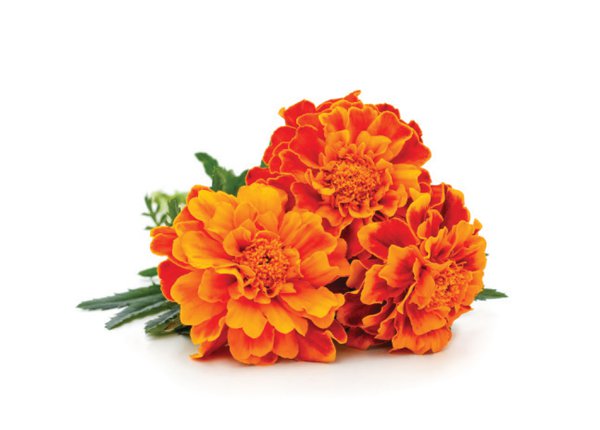
Marigolds: are those easy-to-grow, little fuzzy-headed blossoms. Not only do they repel mosquitoes and other insects, but they can be made into ointments for abrasions, burns, and wounds, and as extracts they help with fever and ulcers. Their scent and flavor are citrusy, and, get this, the petals can be ground and used as a substitute for saffron (which you may not keep on hand.)


garden10.jpg

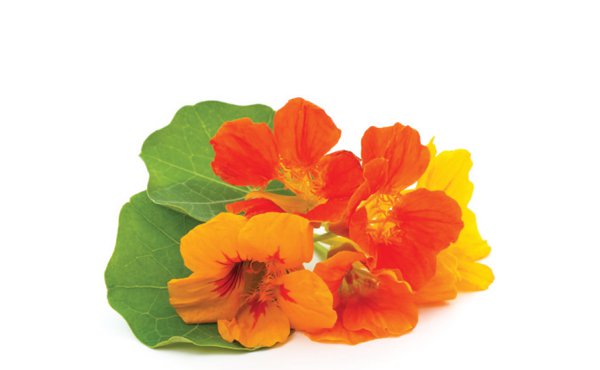
Nasturtium: once known as Indian Cress, have colorful autumnal blossoms of yellow, orange, and gold. They taste peppery and spicy when garnishing a salad. Indigenous people recognized the nasturtium’s antibiotic properties as well as its ability to stave off scurvy. (Just in case you haven’t kept up with your vitamin C.)


garden11.jpg

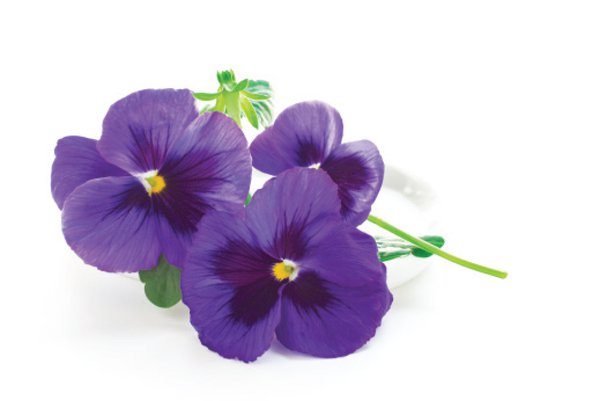
Pansy: these tough, little cuties are more than just a pretty face. They add a minty zing to fruit salad or cocktails. You might try mixing them with a soft cheese for a delicious spread. Pansies provide antioxidants and anti-inflammatory benefits.


garden12.jpg

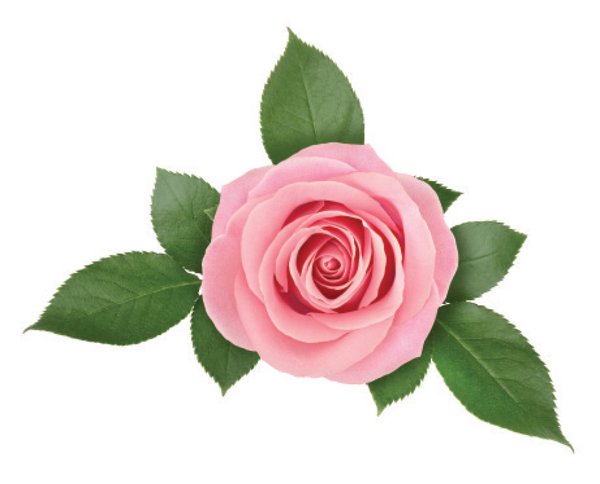
Roses: Rose petals can add a floral flavor and fruity scent to jam, tea, soup, and even popsicles. You may find you’re a bit less stressed and even losing some of those unwanted pounds…okay, ounces perhaps. 


That list is not exhaustive, but it does cover quite a few flowering plants that are easy to grow as well as attractive in flowerbeds. But, let me offer just a few of the herbs that are attractive in the garden as well as in the soup or on the roast.

Blooming Herbs

garden13.jpg

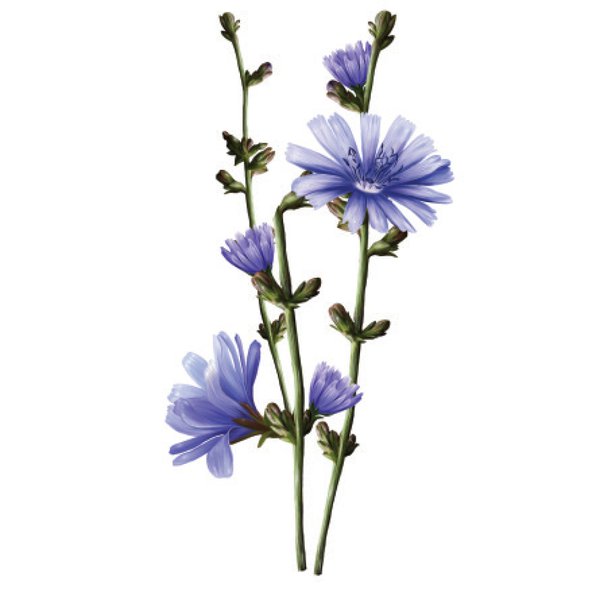
Chicory: has a long and honorable resume as a filler with or replacement for coffee beans. During both World Wars, chicory was the only “coffee” available to folks at home, while the real stuff was kept for the soldiers and sailors. Chicory leaves can be brewed as tea, and the delicate, blue flowers are a pretty addition to salads. Medicinally, chicory can calm an upset stomach and cure constipation, among other uses.


garden14.jpg

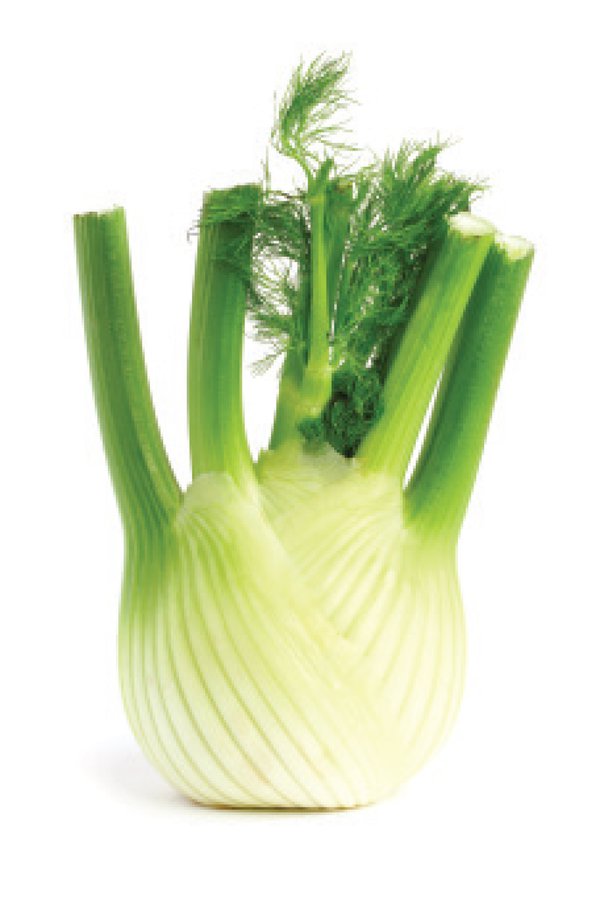
Fennel: has a rather bulbous base with feathery greens, and every bit of the plant is edible. It tastes something like licorice. It’s an antioxidant to keep us young. Fennel seeds can be chewed to aid digestion.


garden15.jpg

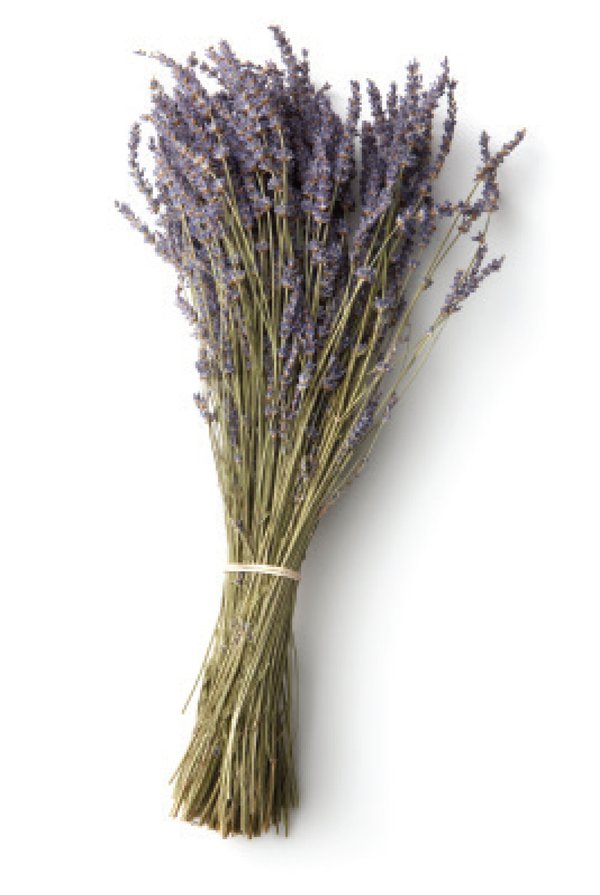
Lavender: lovely in our gardens, it can be equally endearing in our kitchens. With a citrusy flavor, lavender is recognized for its capacity to ease anxiety and help with sleep or depression. Serve it as tea or add to baked goods and sorbet. Beautiful for the eye and good for the body.


garden16.jpg

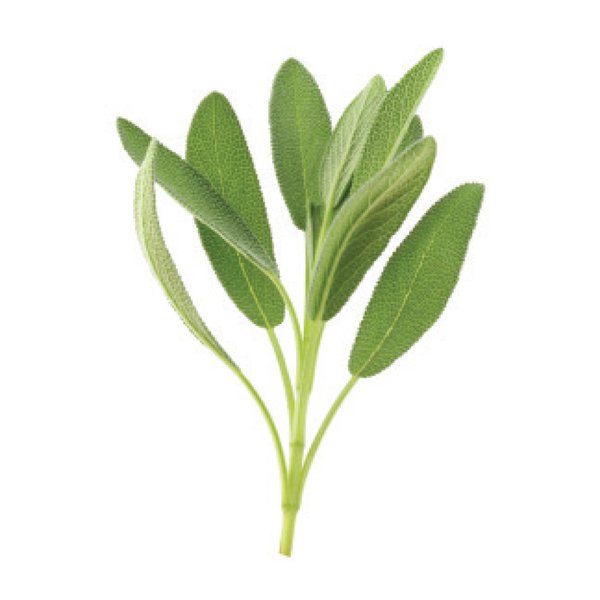
Sage: is sweet and savory. Crushed it can be sprinkled on almost any dish, and it’s particularly tasty on eggs. Sage is noted to reduce blood sugar levels, sharpen memory and brain health, lower cholesterol levels, and provide antioxidants to keep us feeling younger.


Finally, I feel I must add a quick warning about eight flowers you definitely SHOULD NOT EAT; they’re toxic

• Azalea     • Daffodil     • Dogbane     • Hyacinth    • Hydrangea     • Oleander     • Wisteria

While I trust that the information in this article is accurate, if you or others for whom you might prepare food have any likelihood of an allergic reaction, do not use flowers or plants in your food preparation. It is possible that ingesting any plant or plant product could cause illness.

Posted in Nature, Published articles, Uncategorized | 2 Comments

What’s Up? magazine’s article on the Underground Railroad in the February issue:

A History of Darkness & Light: Tales and Exploration of Maryland’s Underground Railroad

by Janice F. Booth

Feb. 07, 2023

underground1.jpg
underground2.jpg

“Freedom is the open window through which pours the sunlight of the human spirit and human dignity.” —Herbert Hoover, 31st President of the United States

Courage:

Changing the world for the better begins with each small act of courage. Samuel Green had that courage. He was born into slavery in 1802 on Maryland’s Eastern Shore. Green learned to read and write and trained as a blacksmith. In his early thirties, he bought his freedom and freedom for his wife, Kitty, from Dr. James Muse, acknowledged in Maryland as owner of human beings. Muse refused to permit Green to purchase the freedom of their two children. Both son and daughter remained enslaved, ensuring that Samuel and Kitty would continue to work for Dr. Muse’s profit. 

Samuel Green turned his grief and frustration to action. He became a minister in the African Methodist Episcopal Church, building a congregation of blacks both free and enslaved. He and Kitty also began assisting those seeking freedom, including Harriet Tubman. Under Green’s guidance, the little clapboard church became an early station along what became known as the Underground Railroad (UGGR). Via this road to freedom, Green’s son escaped to Canada in his early twenties. In retribution, Dr. Muse sold their daughter, Susan, and her two children into the Deep South; they were never heard from again. 

Because Muse and others suspected the Green Family was involved with escaping slaves, Rev. Green was threatened and persecuted. On unsubstantiated evidence, Rev. Green was imprisoned for 10 years for having in his possession a copy of Harriet Beecher Stowe’s Uncle Tom’s Cabin, which was illegal for any black person, enslaved or free. But Samuel and Kitty Green’s legacy prevailed. Today, Faith Community United Methodist Church in East New Market, Maryland, continues as a viable congregation, as established by Rev. Green and is an honored site in the National Underground Railroad Network.

Samuel Green’s church is one of 90 sites recognized and honored as part of Maryland’s Underground Railroad. The National Underground Railroad Network to Freedom was established in 1998, as a coalition of national, state, and local organizations working to recover, preserve, and honor the history of slavery and freedom seekers throughout the United States. 

There are more than 900 sites nationwide recognized and honored as associated with the UGRR. No other state has as many sites as Maryland. 

The Network to Freedom Underground Railroad Guide describes the courageous, secret escape network this way: 

The Underground Railroad was a system of support for freedom seekers that got its start in the 1700s, providing resources for the enslaved to reach freedom. It was a system of secrets and whispers. It was hidden spaces carved out by free and enslaved African Americans and by sympathetic whites…There were people who acted as guides (The most famous was Harriet Tubman), people who arranged for safe houses, people who hid freedom seekers on their property, and those who transported them in wagons or ships or paid for their travel…Vigilance committees in northern cities coordinated the elaborate communication and relief networks that served fleeing slaves.

underground3.jpg

Integrity: 

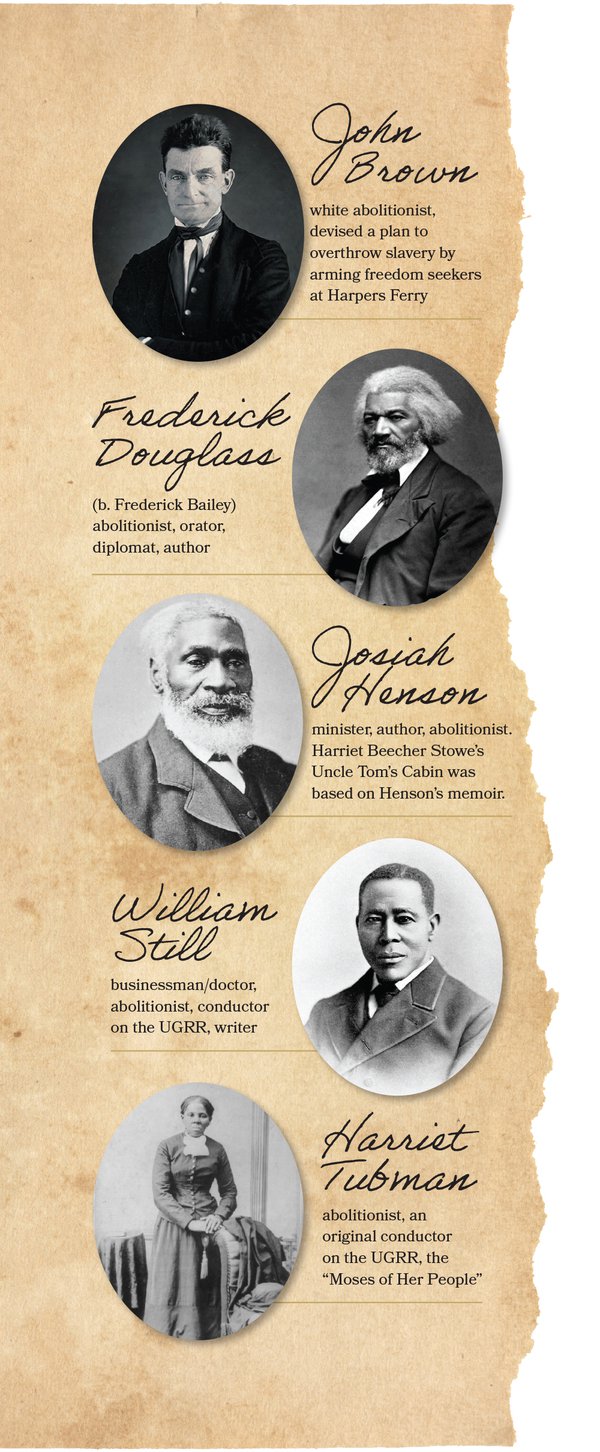
Maryland was the birthplace (and/or the home) of five of the most famous figures in the Underground Railroad, helping freedom seekers or self-liberators reach states that welcomed them. →

Determination: 

Maryland’s population of enslaved people grew rapidly. The first 13 kidnapped and enslaved Africans grew to 25,000 blacks by 1700, and 130,000 by 1750. According to statistics from the Maryland Department of Commerce, Office of Tourism, “There were more successful self-liberators from Maryland than any other state.” In addition to the incredible courage, determination, and skill of these conductors and freedom seekers, Maryland’s terrain offered advantages to the establishment of this road to freedom. As a border state on the Mason-Dixon Line, self-liberators need not travel far to find safe havens in Pennsylvania, New York, and New Jersey. The journeys could be made along woodland trails, via creeks, rivers, and the Chesapeake Bay. Additionally, Maryland’s labor requirements provided opportunities for enslaved people to learn trades and to read and write. In 1860, prior to the Civil War, 49 percent of blacks in Maryland were free. Ships, wagons, and railroads traversed the state. Free men and women of color often moved independently from town to town, “hired out” by the slave owners. 

underground4.jpg

A copy of Harriet Beecher Stowe’s novel Uncle Tom’s Cabin, circa 1800s. When the book was published in 1852, it was illegal for any black person, enslaved or free, to possess. Courtesy Boston Public Library.

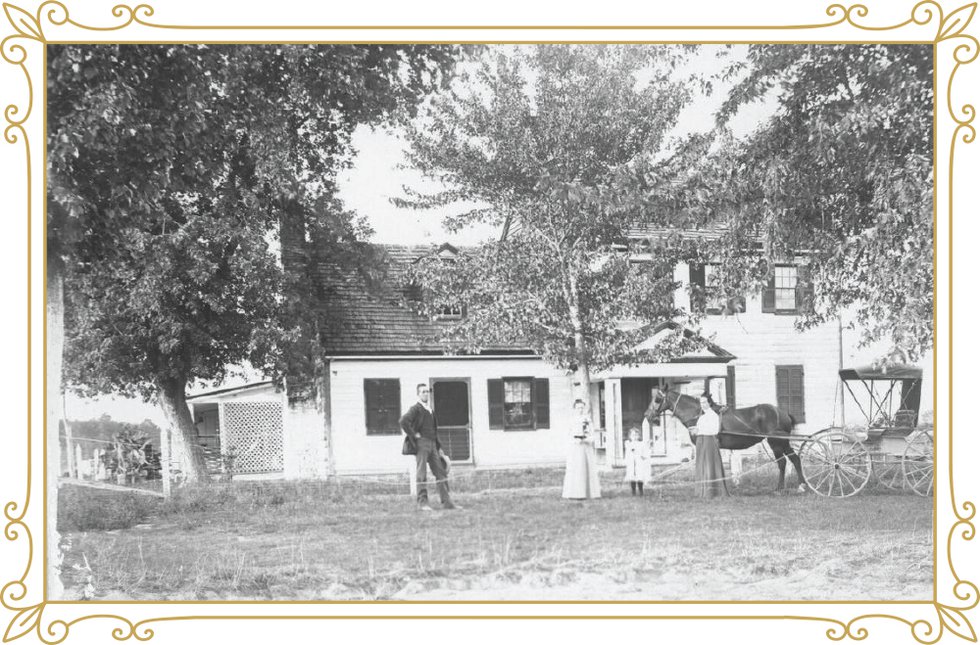
Men and women of conscience, both black and white, struggled to end slavery and lessen the suffering of the men, women, and children held in this barbarous servitude. In a small, tidy house behind a white picket fence, Quakers Hannah and Jacob Leverton sheltered escaping freedom seekers. The Levertons provided food, fresh clothing, and safe rest. One slave owner seeking the “return of his property” sued Leverton. Forced to pay a huge fine, Jacob’s health failed, and he died; his widow, Hannah, and her children maintained their home as part of the UGRR. The Leverton cottage in Preston, Maryland, is privately owned today, but is honored as one of the historic sites of the UGRR. 

Recognizing that the cruelty of slavery and the injustice suffered by so many must be acknowledged, there have been funded initiatives to preserve places where slavery has cast its dark shadow and where freedom seekers have journeyed to freedom. In 2019, September was designated as the annual International Underground Railroad Month. In Maryland, private and public agencies, and organizations, including Preservation Maryland, Maryland’s Office of Tourism Development, Maryland’s Commission of African American History and Culture, and the National Underground Railroad Network to Freedom regularly provide research grants and fellowships. 

The 400 Years of African American History Commission oversees many projects. Recently, it collaborated with Adkins Arboretum in Ridgely, Maryland, to develop a program entitled “Rooted Wisdom: Nature’s Role in the Underground Railroad.” The program includes a series of five short videos, narrated by renowned author and historian, Anthony Cohen. In the videos, Cohen shows and explains the experience of being a freedom seeker traveling along the Underground Railroad. 

Another of the UGGR projects includes the designation of Annapolis as one of Maryland’s five “Sites of Memory,” a “slave port” or place of arrival for captured, kidnapped, and enslaved Africans who had survived the “Middle Passage,” that unbearably brutal sea voyage by which 12 million men, women, and children were brought to America to become human property.

Expand

underground5.jpg

Located in Preston, Maryland, the Leverton family home was a “main stopping place,” along the Underground Railroad. Quakers Jacob and Hannah Leverton aided escapees moving under cover to freedom in the North. It is a designated site of the National Underground Railroad Network to Freedom Program. Image courtesy Caroline County Office of Tourism.

Healing:

 From ports like Annapolis and St. Mary’s City, Africans were sold into slavery and transported to plantations, farms, and towns throughout Maryland and beyond. One such destination was a tobacco farm in southern Maryland, the Sotterley Plantation, which is now one of the designated sites on the Underground Railroad. For 300 years, enslaved men, women, and children planted, tended, and harvested tobacco there. In the 1950s, the main house and what remained of the plantation were designated a museum, and visitors toured the home and grounds. 

In the 1960s, Agnes Cane Callum discovered that her ancestors had been enslaved on Sotterley Plantation. She brought family and friends to tour the property, and found the decaying slave quarters that still stood on the plantation. Eventually, Agnes Callum met John Briscoe, a descendent of the original family owners of Sotterley. Together, Callum and Briscoe worked together to have Sotterley plantation designated a National Historic Landmark. Since then, the slave cabin has been restored, and a registry established to collect the names of all the men and women, enslaved and free, who spent their lives working the land of Sotterley. 

Teamwork: 

was the key to the success of the Underground Railroad in the 19th century. In addition to the conductors who led individual and groups of “self-liberators” to safe havens in the north, there was also an Under-Underground Railroad composed of people, black and white, who passed information and messages between and among the enslaved people and their friends and relatives in Free states and Canada. Vigilance Committees also arose, locally organized, to support conductors and those escaping enslavement. Both the “Under-Underground” and the Vigilance Committees provided food, shelter, and even transportation as well as conveying important messages. 

Expand

underground6.jpg

Renowned historian Anthony Cohen explains the experience of being a freedom seeker traveling along the Underground Railroad in a video series produced for “Rooted Wisdom: Nature’s Role in the Underground Railroad” project. Image screenshot from “The Importance of Language in Understanding the History of the Underground Railroad.”

Deep Roots: 

It is, perhaps, the saga of the Still family that best encapsulates the struggles and triumphs transported by the Underground Railroad in Maryland and beyond. Levin and Charity Still were enslaved in adjacent plantations on the Eastern Shore. Levin purchased his freedom and moved to New Jersey. Charity’s owner would not “sell” or free her, so she attempted escape and was captured along with her two sons. Desperate, she fled again, this time leaving behind her two sons, who were also enslaved. Via the Underground Railroad she reached her husband in New Jersey, however, she was wracked with grief for her two lost sons. The Stills had 14 more children. 

Their son James Still became a successful doctor of herbal medicine and a key conductor in the Underground Railroad, where he eventually met his long-lost brother, Peter. Peter Still had been enslaved for 40 years before escaping on the UGGR and eventually reuniting with his family. Charity and Levin Still’s first son, however, died in slavery. 

To discover these harrowing stories for yourself and your family, plan your own exploration of Maryland’s historic Underground Railroad and paths to freedom. Begin your journey by learning more at the following online resources:

Explore Maryland’s Underground Railroad

Ultimate Guide to Underground Railroad Sites in Maryland

Rooted Wisdom: Nature’s Role in the Underground Railroad

by Janice F. Booth

Posted in Uncategorized | 1 Comment

Gardens, the Original Recyclers

by Janice F. Booth

Feb. 07, 2023

Garden1.jpg

8 Free, Useful Garden Resources

Gardeners are known to conserve and recycle. As gardeners we are particularly tuned to the power and beauty of refresh, renew, reuse—seeds to plants to mulch. What about those free gardening catalogs that come to us, and we pass along to friends or add to our recycle bins? 

Maybe, like me, you also pick up tempting pamphlets at fairs and farmers markets—pamphlets on all things related to gardening. I have the best intentions, but seldom study them. They pile up on my desk or tumble out of folders labeled “Projects for next year” or “Read these first.”

With this in mind, I decided to take these catalogs and pamphlets in hand. Now I’m ready to share with you, recycle if you will, eight ways to acquire free and recycled items and resources for your garden.

Since there’s little else to do about the garden in February, here’s a way to keep your gardening juices flowing.

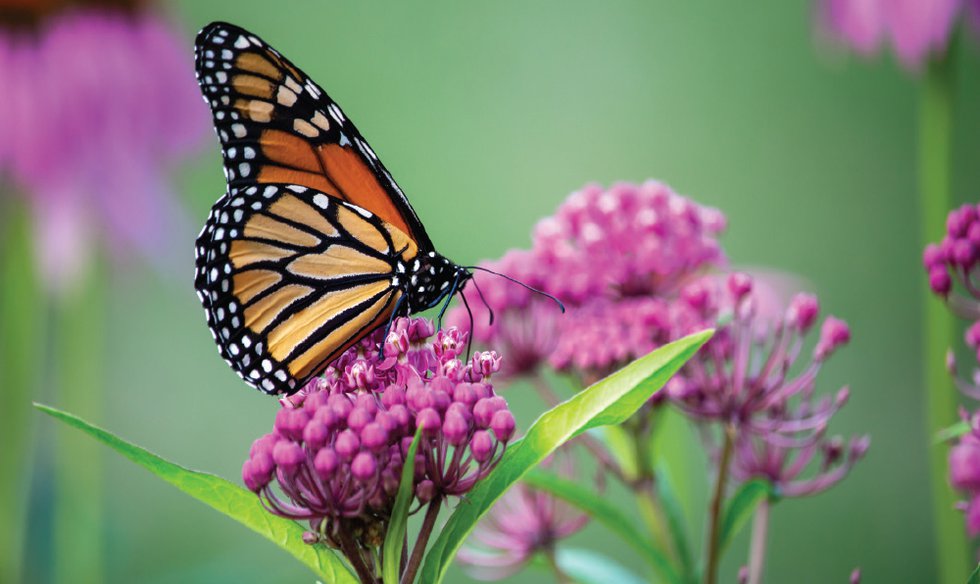
1. Pollinators—Why not plant some Milkweed seeds and lure Monarch butterflies to your garden? Visit livemonarch.com/free-milkweed-seeds, the site of the Live Monarch 2023 Seed Campaign. For six years they’ve been sending out into the world milkweed seeds and seeds of other plants that attract Monarch butterflies. The project often engages with schools and provides seeds and information for entire classes. The site has excellent photos of Monarch-friendly plants for identification purposes.

2. Plants—Who wouldn’t like to acquire healthy plants for free? Whether you use a gardening service or do your own planting, after winter passes, there’s always a bare spot or two that needs some new plants. Alternatively, spring may find you preparing to lop off or dig up some of those “volunteers” that threaten to overtake portions of your carefully planned flower bed. Try the website gardeningetc.com/advice/how-to-get-free-plants. This site reviews the easiest plants, shrubs, and trees to propagate, coaxing new plants from old. The site explains: • Dividing clumps of perennials. • Collecting seeds. • Using cuttings (rooting, dividing, transplanting.) •Reduced-price plant sales.

Expand

Garden2.jpg
Garden3.jpg

3. Seed Exchange—Winter is not the time to put this in practice, but now is a good time to organize a Seed Exchange among your neighbors, relatives, and friends. Send out an invitation with a list of the types of seeds easily harvested and shared. Plan to send reminders to participants as harvest time approaches. It will be fun seeing what is shared. There’s no cost and very little work gathering, drying, and distributing seeds. The only caution, be sure participants label the seeds. Not everyone wants a flower bed filled with surprises.

4. Sprouting—Vegetable gardening is satisfying and valuable. Additionally, you can plant a healthy vegetable and herb garden from cuttings you have sprouted in your own home.

  • Carrot tops in shallow water
  • Potato sections with “eyes” sprout in shallow water
  • Onion and garlic cloves produce healthy sprouts
  • Tomato, chili, pumpkin, and squash seeds are plentiful (dry on paper towels, plant seeds in moist soil in a sunny window.)

5. Craig’s List and Facebook Marketplace offer free garden items – tools, soil, plants, and decorative accessories. You can post things you’re offering and find useful items you may not have known you need.

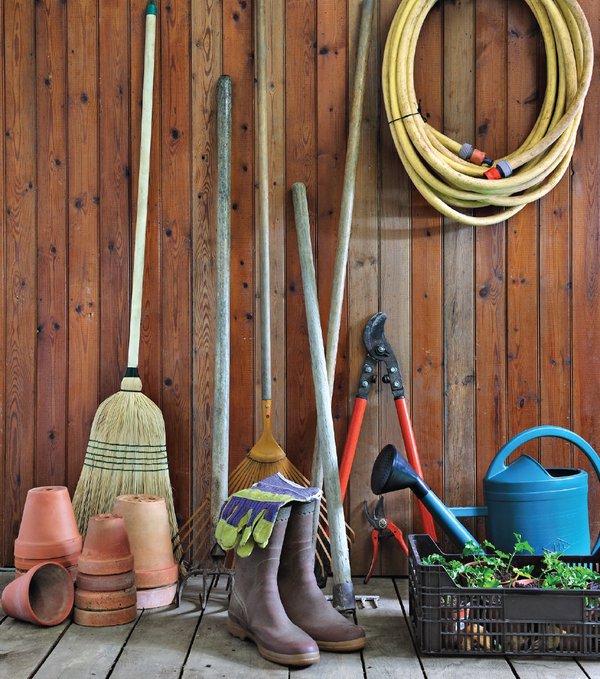
6. “Sort Out”—We all have sheds or closets or basement cubbies, or several of these, where we keep our gardening supplies—the extra clay pots, potting soil, tools, flowerbed diagrams, and plaster statues. Apply the same ruthless energy that you expend on closet cleaning to your gardening stash. Get rid of what you don’t really need. Someone in your neighborhood may need a smiling gnome statue. If you can talk friends into doing a clean out too, you may end up replacing your unwanted items with a few lovely old bricks or iron bunny from someone else’s garden stash. You can also post your items on the “Free Cycle” web site, freecycle.org.

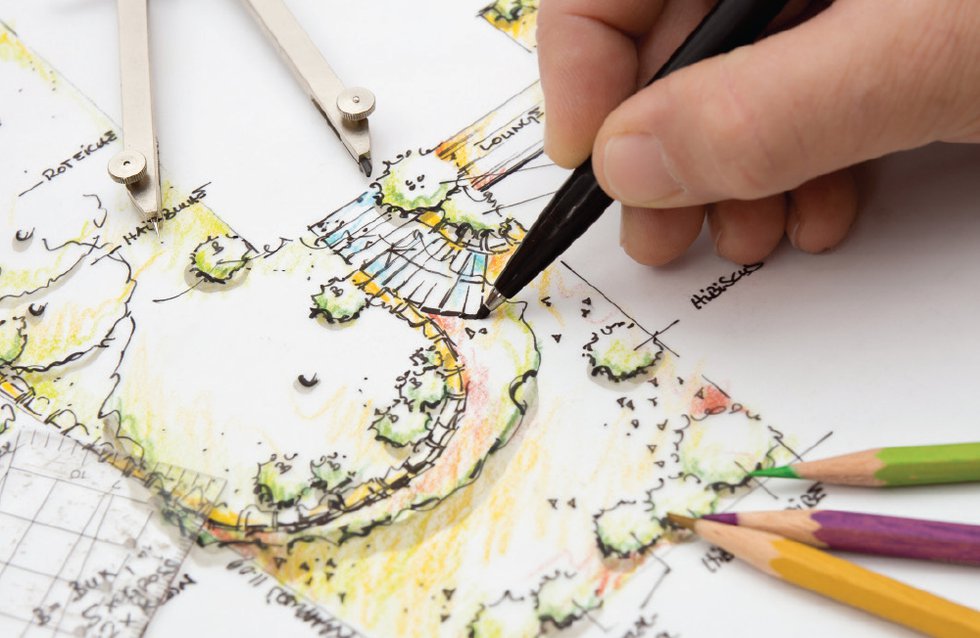
7. Design Templates – Whether you work with a professional gardening service, a personal gardener, or do the gardening yourself, you need a plan. Your gardener will ask you to describe what you are looking for. You may already be working out your spring garden design on those sheets of graph paper on your desk. Well, here’s some good news. Online you can find free: • Building plans for: greenhouses, garden sheds, potting sheds, and potting benches. • Templates to help place fences, sprinkler systems, hedges, and walls. • Lists of supplies needed to compete a particular design (valuable for budgeting.)

Expand

Garden4.jpg

Free Planners and Templates:

“Plan-a-Garden” from Better Homes & Gardens: provides 3-D images and drag-and-drop design Welcome to Plan-A-Garden! (bhg.com)

“Online Kitchen Garden Planner” at Pre-Planned Gardens (gardeners.com). You can print out your plan and how-to information on executing that plan. The site also provides prepared plans if you’d rather not do it yourself.

“Garden Visualiser” is a British offering from Marshalls Garden (marshalls.co.uk/garden-visualiser). It works something like a 3-D video game, allowing you to specify sizes and themes for the garden’s design. 

8. Finally, since free advice is either useless or invaluable, here’s a wonderful site to tuck into your gardener’s diary! The Lady Bird Johnson Wildflower Center (wildflower.org/plants). The site is maintained by the University of Texas at Austin. It provides a fascinating plant-finder that allows you to identify plants based on a wide variety of characteristics, including location, lifespan, bloom, leaf characteristics, average size, and more! Your fellow gardeners will be impressed with the extent of your knowledge.

by Janice F. Booth

Posted in Uncategorized | 2 Comments

Nature’s Alternatives to Fences and Sound Barriers

by Janice F. Booth

Jan. 21, 2023midnight

garden1.jpg
garden2.jpg

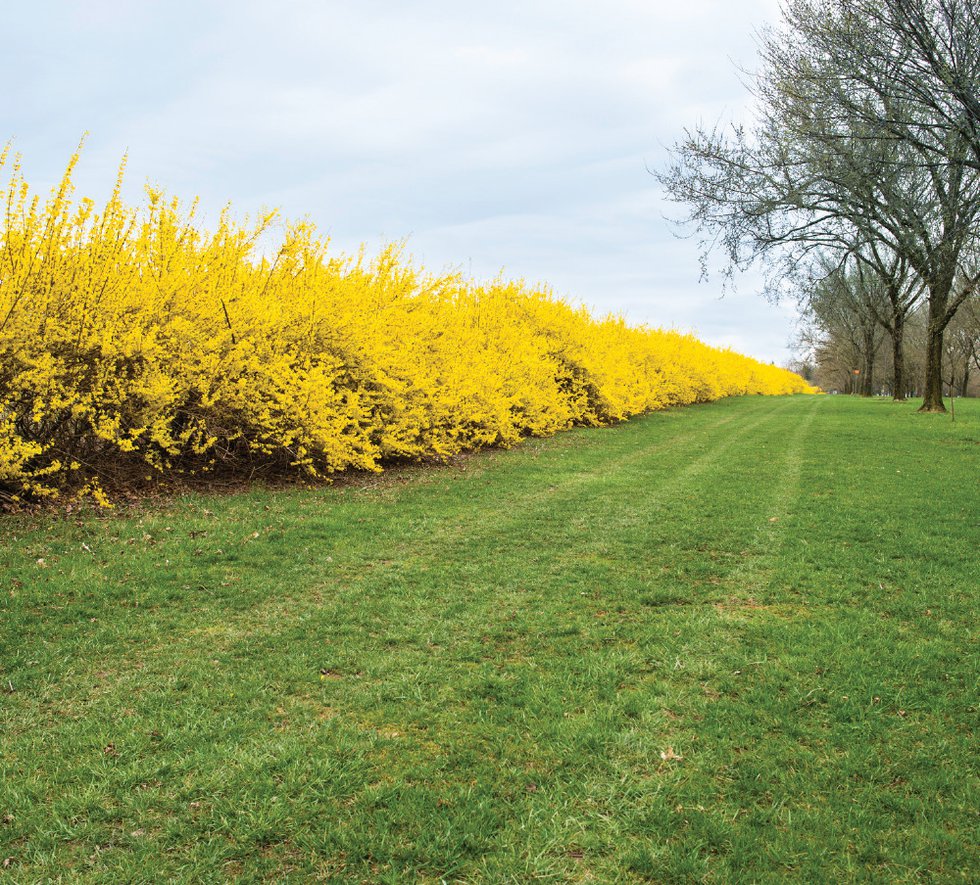
Here’s an idea for a spring project in your garden: Replace those worn-out fence posts or that chainlike eyesore with a lush hedge of forsythia or yew. Perhaps you live in a community where the covenants prohibit fences; but I bet they don’t prohibit shrubs! And as hedges, what can those shrubs be trained to do? They can gracefully delineate the borders of your flower beds and the boundaries of your property. Carefully pruned, hedges can deter intruders, muffle noise, deflect prying eyes, and protect your garden and patio from prevailing winds. Now that’s a pretty impressive list of uses for a hedge!

Whether you’re a do-it-yourself gardener or you have a clever, reliable gardener or service, you’ll want to plan your Hedges Project keeping in mind some key factors. So, here they are: 

Will your hedge be primarily decorative or purposeful? If decorative, then focus on color, fragrance, shape.

Color: You can choose shrubs that bloom, like the spring-gold of forsythia, or evergreens with variegated leaves, like the chartreuse-edged euonymus.

Fragrance: The sharp scent of boxwood deters bugs, planted beneath windows in colonial times to keep away flies and mosquitoes. However, witch-hazel provides a less pungent, woody scent to waft across your deck.

Shape: If your plan requires strongly delineated barriers, you’ll want to plant shrubs that take well to being pruned. Boxwood and privet are both old favorites for that very reason. You might even try your hand at a topiary shrub—perhaps an elegantly spiraling evergreen or a bunny or lab puppy. Flowering quince or azalea hedges will be looser, leggier, and lacy. 

If you are adding a purposeful hedge for some specific use in your garden, that use may determine the type of shrubs you plant.

Flowerbed borders: If you want a simple, attractive edge for your flowerbeds, you may want to rely on pretty evergreen shrubs that will provide an attractive border for the beds even in the winter. Juniper is deer resistant, has attractive structure and berries. A fun alternative is the Tater Tot Arborvitae, small mounds of lacy green. They require little pruning to retain their shape.

Boundary borders: If you’re going to rely on the hedges to denote your property line, size and sturdiness will be important factors. Boxwood works well here too. It can be pruned to provide a substantial hedge, not easily broached. Yew is another option that provides a looser, less obvious border. A third option is a hedge of holly. Holly has the added feature of prickliness, which can deter hungry animals and curious kids from breaching the property boundaries. 

Noise abatement: To muffle the sounds from a busy street or a neighbor’s boisterous children, you’ll want to encourage a hedge that is thick. Success here depends more on the pruning of your hedge than on the type of shrubs used. The hedge should be pruned so sunlight can reach the interior of the hedge. (More on this in the maintenance hints that follow.) 

Privacy: The same characteristics that muffle noise will also protect your garden from prying eyes. You’ll want to encourage thick growth all the way through the hedge. Additionally, consider the height and width of the mature hedge. You’ll probably want a tall, perhaps 6’ hedge. The width may vary, but I’d recommend encouraging the growth at least 2’ deep. Almost any shrub can mature into a privacy hedge. Juniper is a lovely choice, or arborvitae grows quickly and remains lush looking all year. 

Wind Break: If your garden is troubled by wind, a decorative hedge can help protect your more fragile plants. Here too, height is an important element. The Japanese holly is an interesting choice as is the stunning mountain laurel, with blossoms in the spring and green leaves all year.

Expand

garden3.jpg

Here are some general guidelines and hints for keeping those hedges growing happily and looking good, whether you’re doing the gardening or advising your gardener. 

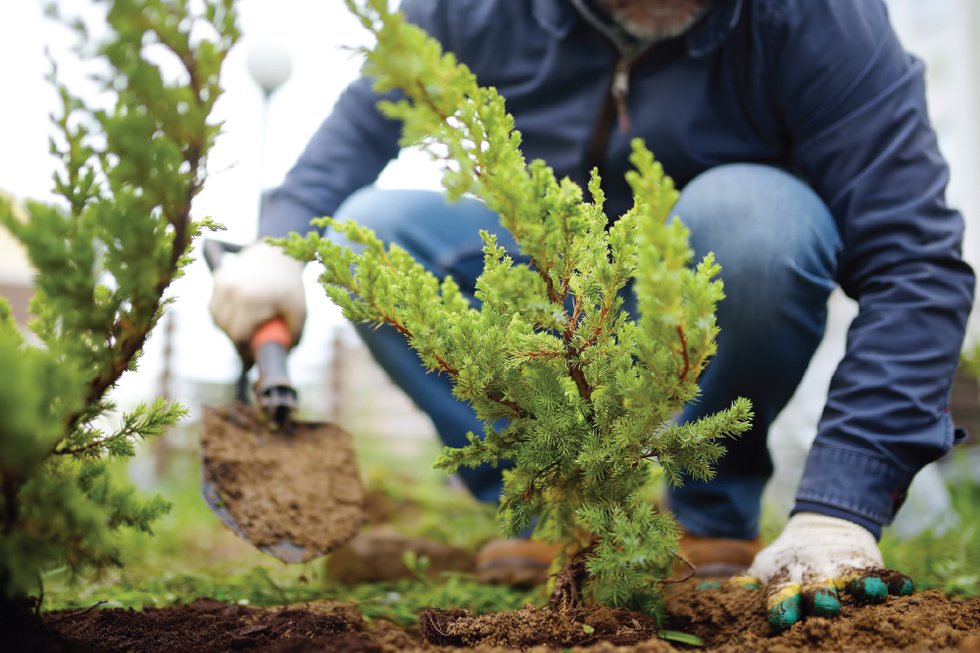
Spacing new plants: If you’re starting from scratch, a trench is the most foolproof way to start an attractive hedge. The planting trench should be about 12” wider than the root balls of the shrubs, and about the same depth as their root balls. Plant shrubs about 36” apart. 

Soil: Well composted, loose soil will be most welcoming to your new shrubs. 

Watering: As with most new plants, be generous in your watering for the first year. The trench will help maintain moist soil conditions for the new root system’s development. Mature hedges are usually drought resistant. 

Trimming: Begin pruning soon after the shrubs begin to grow. Try to keep in mind the end-result, the way you want the hedge to look when mature. Trim the new growth that doesn’t conform to the ultimate shape of the mature hedge. 

Expand

garden4.jpg

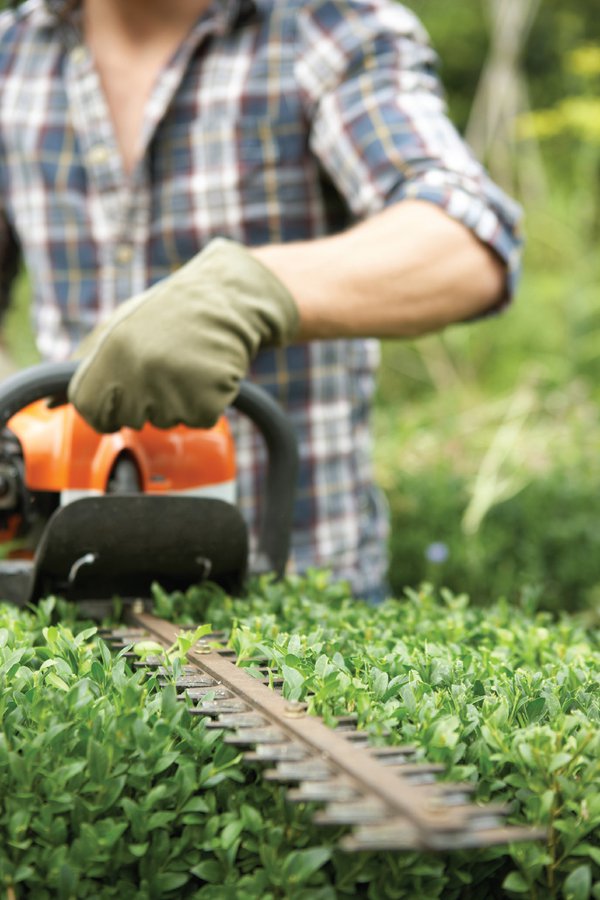
Be sure to keep your hedge clippers sharp and clean. You don’t want to introduce any bacteria among these young plants—or the mature ones for that matter. Lay a tarp or old sheet beneath the shrubs before you begin pruning. Then, whisk away the small cuttings for a tidy, finished look

Shaping: Most hedges grow 1’ to 2’ per year. The upper portion of the hedge should be slightly narrower than the lower portion. Think of a cone rather than a funnel. This will allow sunlight and moisture to reach the inner branches of the hedge, keeping the appearance lush and thick. 

If the outside of the hedge is too thick, cut back random branches deep in the hedge, encouraging the inner branches to spread and grow toward the light. The “3-year Rule”: To keep your hedge healthy, each year rejuvenate the growth by removing 1/3 of the thickest stems toward the base of each plant. In 3 years, your hedge will be all young and healthy new growth. 

Finally, as with all our gardening adventures, don’t be too wedded to one vision for your new hedges. I find my plants sometimes have their own ideas as to how they should grow and look. Embrace that. Watch your hedges as they mature and encourage them in what they do best. If there’s a break in your hedge where you didn’t want one, plant an interesting vine or flower to fill in the space and add interest to your hedge. Then, next fall, you can add a new shrub and let it fill in hole in the mature hedge. 

by Janice F. Booth

Posted in Uncategorized | 2 Comments