Beauty in hidden spaces.

Garden Sanctuaries in Chesapeake Country

BY JANICE F. BOOTH 

APR. 01, 2022

Photography by Stephen Buchanan and Janice F. Booth

How several gardeners have created beauty in unexpected places.

Two years we’ve had to re-establish our relationship with Nature and the beauty and serenity of the out-of-doors. If there is a silver-lining to this pandemic, it must be our rediscovering the joys of walking in the woods and meadows, kayaking or canoeing downstream, and simply finding time for flights of fancy while swinging in the backyard hammock or lingering over lunch at a restaurant’s table beneath a cheery umbrella. Some of us may release our pent-up energy while sprucing up the house or grooming the lawn and garden. And that’s where I pick-up the tale of five patient, diligent folk who turned their pandemic energy to coaxing beauty out of unexpected and overlooked places—hidden gardens right under our noses. Part of the beauty of these gardens is that they flourish in unexpected places—a condominium, an 18th century residence, a planned community, or a mature woodland. 
Expand

Garden1.jpg
Garden2.jpg

Exotic and Familiar

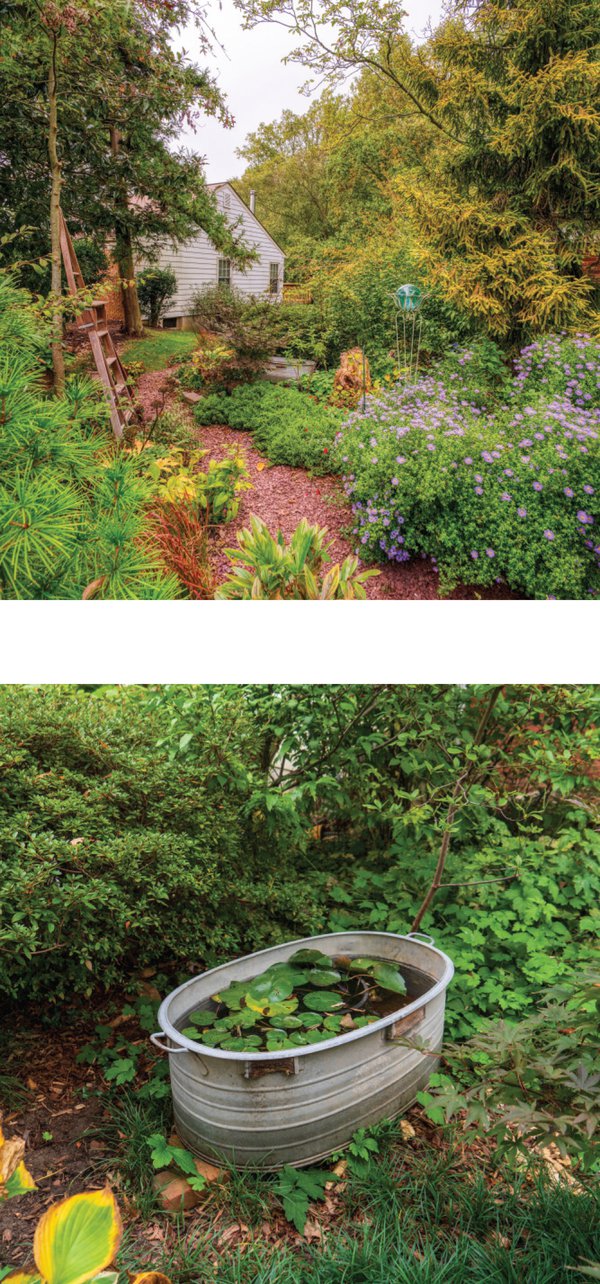
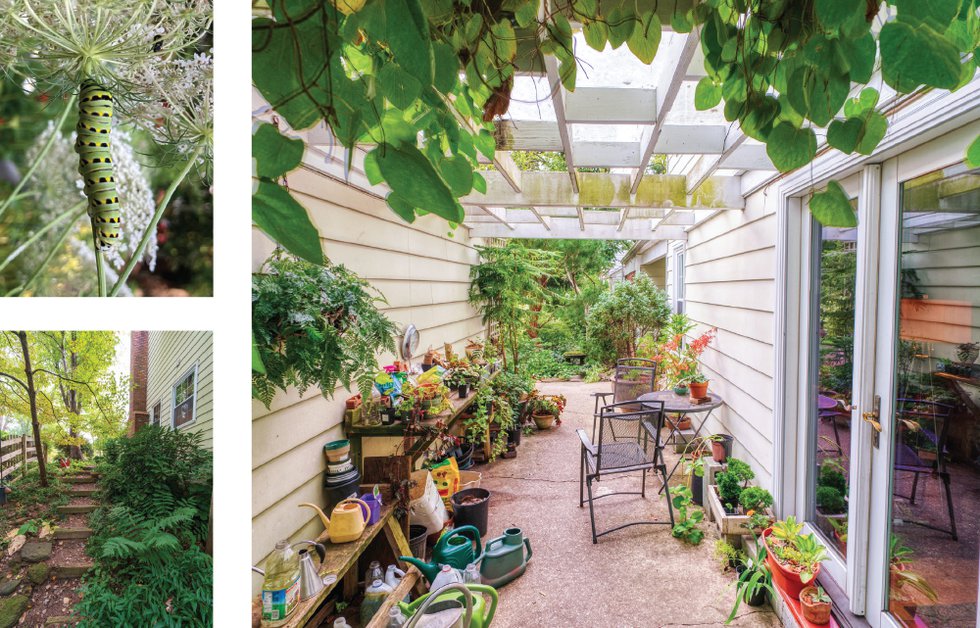
Elaine Lahn’s gardens are hidden in plain sight. The owner of a cozy house in Crofton, Lahn has transformed a few patches of green sod into a luxurious and exotic landscape. “I started with a few plants here-and-there and, before long, I was really fascinated by what I could grow in my garden,” Lahn muses. Chinese Dunce Caps, an Italian Spice Bush, Blue Iris, and Veronica—the exotic and the comfortingly familiar—Lahn has them all. Since 1986, she has coaxed and prodded tiny succulent and giant sycamore. “Some of these plants are a third or fourth try. I don’t always get things to grow where I want them. Sometimes I move them around until I find where they’re really happy.” And, to most observers, Lahn’s garden appears full of very happy plants. Instead of a lawn mower, her garage houses a handy garden bench and tools. Wrought iron table and chairs invite the wanderer to sit and watch the birds, squirrels, and chipmunks scamper among the trees and shrubs. A path meanders from her front driveway through the small, luxuriant front garden and along the side of the house, terminating at the small patio where a galvanized watering tub beneath a cluster of trees holds Water Hyacinth and a friendly frog or two. Lahn’s current project is securing the precipitous gully that is the back of her property and borders a stream that becomes a torrent during heavy rains. She’s planting shrubs and encouraging ferns and groundcover to hold the soil and keep the back of her property from sliding down into the watery bog. Lahn is an active member of the Crofton Village Garden Club. She’s delighted that her passion for gardening has sparked an interest on her son’s part. He’s helping her with various projects, including the replanting of the hillside at the back of the house. 
Expand

Garden3.jpg

In the Family

As the wife of a Naval Officer, Mary Gatanas has lived all over the world and cultivated gardens in diverse soils. When she and her family were able to settle into their own nest, Annapolis, specifically Crownsville, was their choice. For two decades Gatanas has transformed a simply landscaped lawn into a very personal reflection of her travels and her family. Perhaps her most prized flowerbed is her “Grandson’s Garden.” Her grandson, Tristan, created a rain garden beneath his grandparents’ living room window as a Scouting project. He planted graceful, white Penstemon and vivid, red Cardinal Flowers for contrast. And Grandmother Mary proudly notes that Tristan earned an “A” for his efforts. From her grandson’s rain garden, she points to several distinctive birdhouses among the Hollies and Climbing Hydrangeas—another bit of family lore. One large birdhouse, over 50 years old, dates to Gatanas’ New England girlhood. Her father gave her the birdhouse which has moved with Gatanas to her Maryland garden, a beautiful reminder of her childhood home. “I try to think about what passers-by can see from the road. I want everyone to enjoy the garden,” she says. Throughout the garden, Gatanas blends exotics with the comfortably familiar native plants—Tree Peonies, Mullion, Lavender. Japanese Primrose, and Siberian Iris. Tiny Ground Orchids peak out from among the Astilbe, Monks Hood, Phlox, and Toad Lilies. A striking Black Winecraft Bush with dark, shiny leaves stands out against the green. Korean Lilac, Blue Plumbago, and twice-blooming Azalea provide an endless color palette to dazzle the eye. “This is the only garden where we’ve stayed long enough for me to watch my vision grow and flourish. Many times, I’ve had to leave gardens behind when we moved.” Gatanas draws my attention to an area near the house where she’s coaxing French roses to grow. “They don’t need a lot of sun and their fragrance is heavenly.” There’s always a new project in the Gatanas garden. 
Expand

Garden4.jpg
Garden5.jpg

Therapeutic Restoration

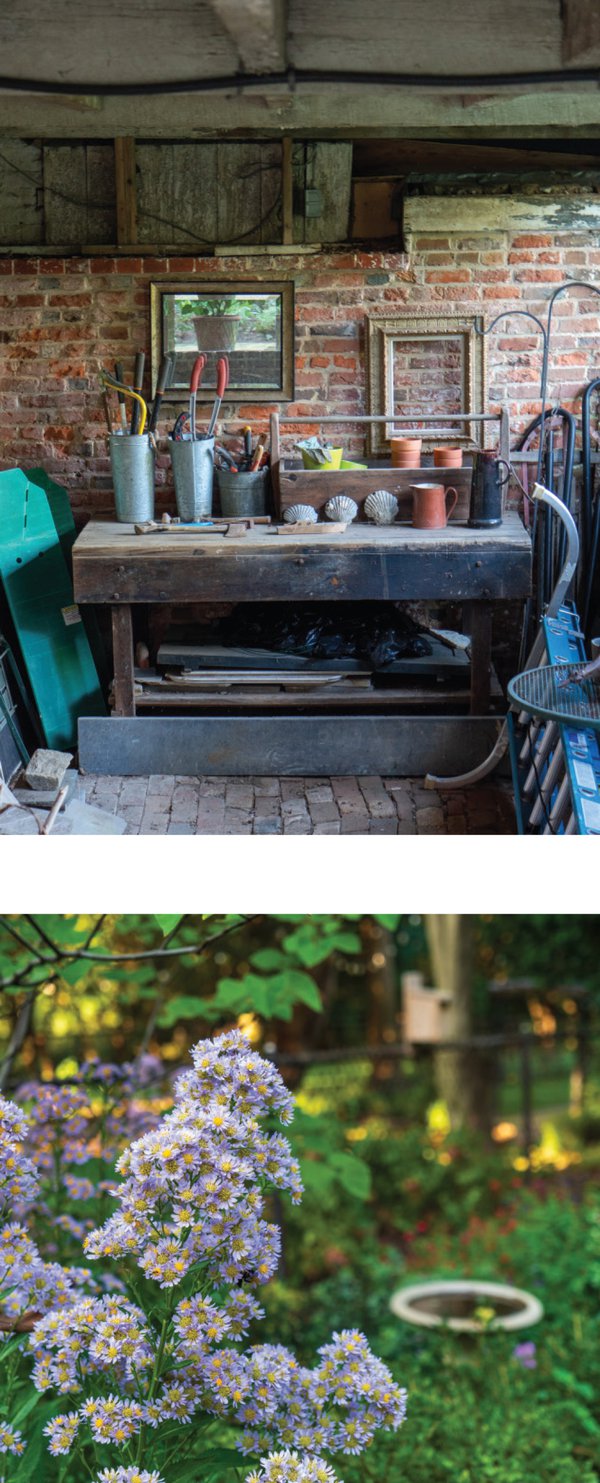
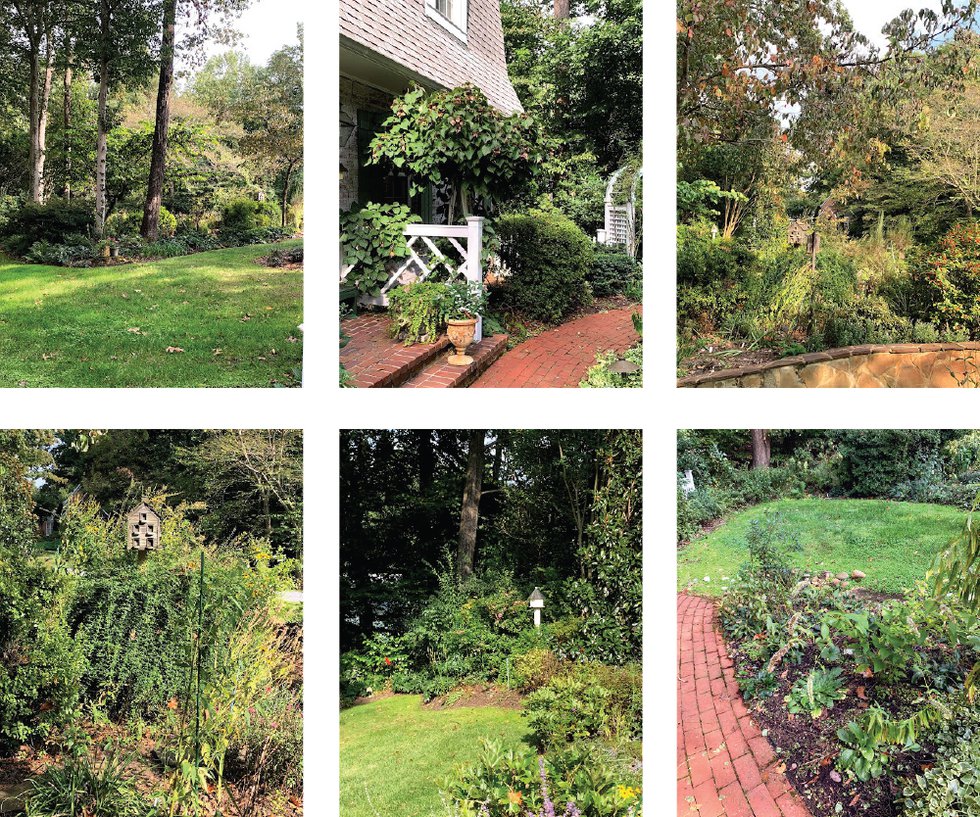
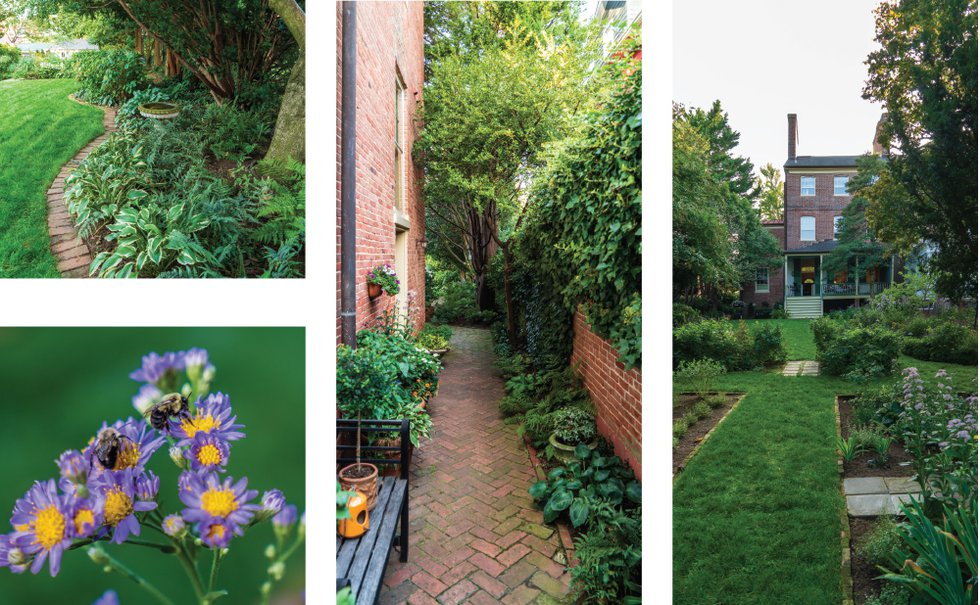
As a young bride, Barbara Cooper and her husband, Orlando Ridout V, took on the restoration of his family home in Annapolis. Her husband was a renowned author and scholar of architectural history and preservation, and together the couple undertook the very personal restoration of one of the Ridout family homes, built in 1774 and occupied since then by family members. They dedicated their spare time to rescuing their magnificent but tired architectural treasure. As work on the house neared completion and they took up residence, Orlando was diagnosed with cancer. Cooper turned all her energy to caring for her husband. “Working to restore the house’s garden became my therapy, my way of resting and healing during that difficult time.” After her husband’s death in 2013, Cooper focused on restoring and expanding the garden which is close to an acre in size. While there were fine, old Magnolia, Holly, Willow Oak, and Boxwood, most of the flowerbeds had become overgrown. What might have been lawn was mud and weeds. A former patio was only hard-packed earth. From the porch that extends along the back of the house, Cooper could sip her morning coffee and see the garden’s potential. Her mission became creating a garden that complements the elegant and welcoming house she and her husband had lovingly restored. Among the projects she undertook was using antique bricks to define the meandering flowerbeds along the perimeter of the property. Cooper also restored the patio with bricks salvaged from the house restoration. She enlisted the aid of James Moser, “Gramps” to Cooper’s daughters. He has become Cooper’s right-hand-man. He’s just completing the restoration of the home’s garage, built in the early 20th century, which had fallen into near-ruin. Cooper and Gramps Moser have also added a new flowerbed across the lawn where plants requiring more sun can flourish. Now a sun-dappled patio and walkway greet visitors entering through the distinctive, arched, red door set in the wall attached to the front of the house. When next you walk past St. Mary’s church, look for the grand, old home with red doors, and think of the lovely garden flourishing there. 
Expand

Garden6.jpg
Garden7.jpg

Big Things in Small Spaces

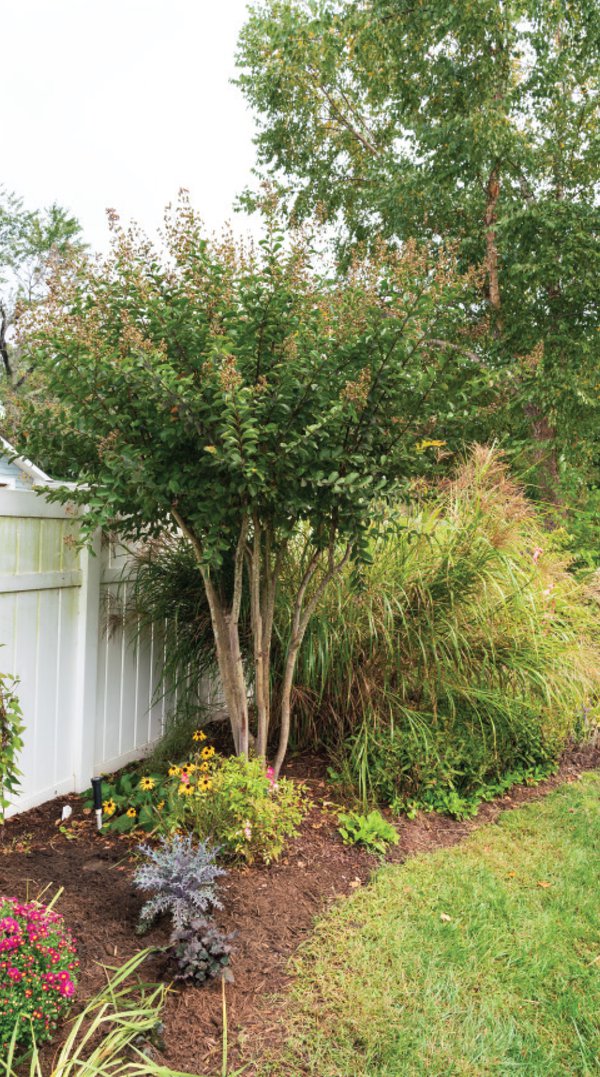
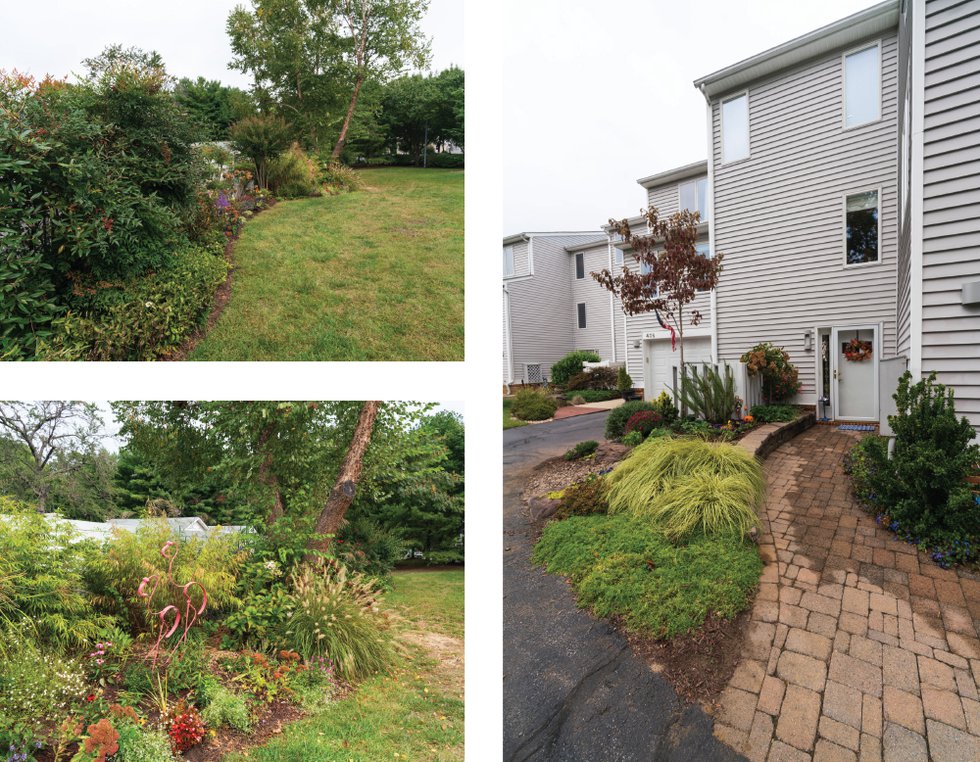
Sonny Kalis might also be called “Sunny.” Her love of gardens and their care is apparent from her involvement with the Garden Club of Annapolis and the gardens she lovingly tends. For those of us who live in townhouses and condominiums, tending a garden seems a lost pleasure. But, ask Kalis; she’ll show you how to enjoy the pleasures of gardening, as she does in her townhouse community. With the approval of her community’s Board, 16 years ago Kalis took on a small flowerbed near her townhouse. To the traditional tidy bed, she added some perennials and annuals for color, and trimmed the shrubs a bit to allow room for the flowers to flourish. She spoke with the landscapers who regularly tend the community property, and suggested ways to handle tree limbs that needed trimming and shrubs that were languishing. As time went on, Kalis took on more of the flowerbeds along the fence-line. These flowerbeds flourished and grew colorful with Snowcap and Montauk Daisies, ornamental grasses, Camellias, and even an assortment of herbs. Lovely Birches and a Mimosa tree flourished under her thoughtful care. Residents of the community came to wander among Kalis’ flowerbeds and chatted with her about her plants. “Sometimes, gifts appeared, and I’m always delighted when neighbors stop to talk with me about the plants.” She’s always looking ahead, and one goal is to have a truly four-season garden. No doubt, she’ll achieve her goal; the condominium community is enriched by Kalis’ efforts. 
Expand

Garden8.jpg
Garden9.jpg

Along the Creek

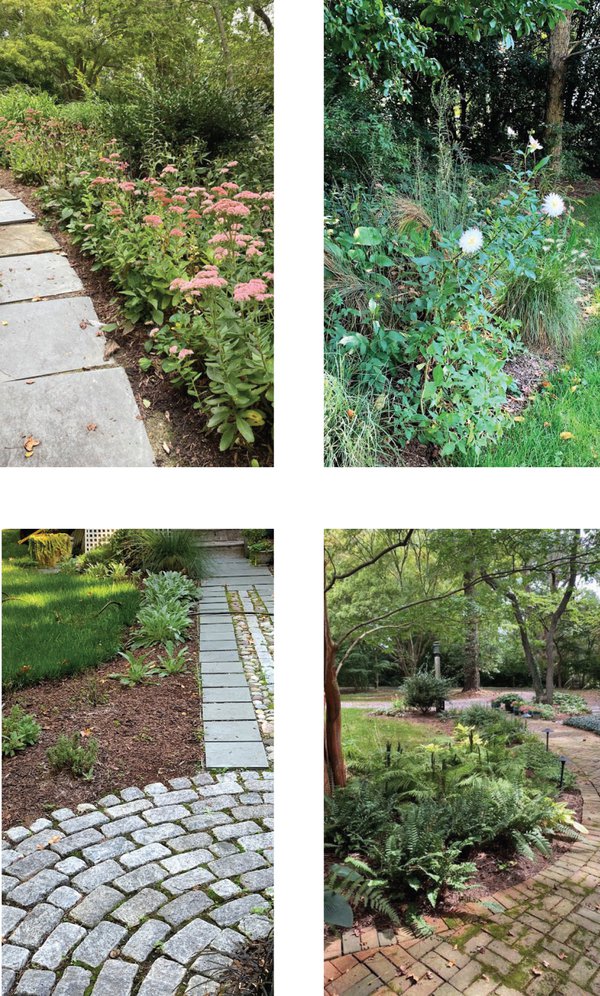
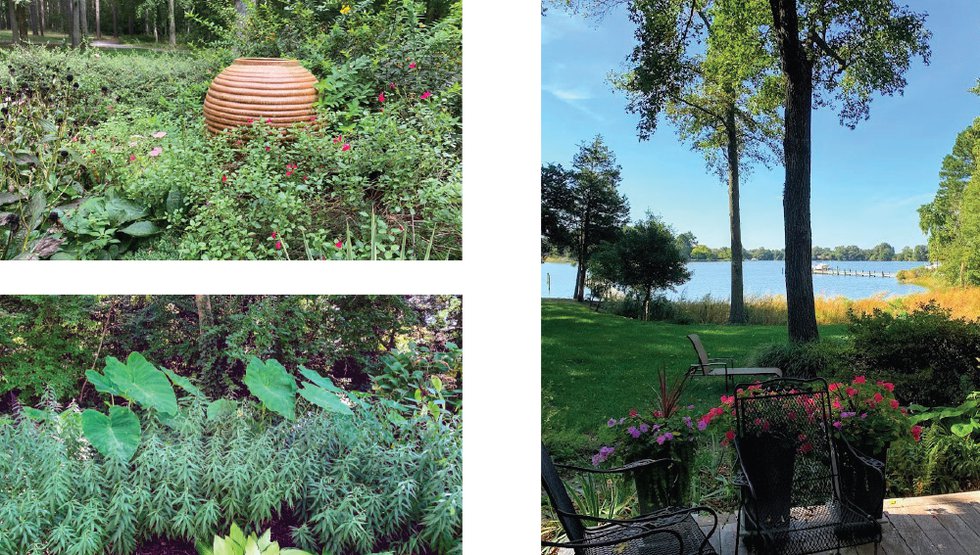
Follow a winding road ’til you come to a narrow lane. Make your way through the woods and come to a clearing. What meets the eye will be the beautiful home and gardens of Catherine Alspach and her husband. Situated on the banks of Island Creek off the Choptank River in Caroline County, Catherine’s vision for her gardens is romantic and free. “Things do what they want to do,” she observes. And what Alspach does is respect her plants’ inclinations. With a background as a landscape architect, she understands which flowers, grasses, shrubs, and trees will do well in the various sun and shade areas of her extensive grounds, approximately two-and-a-half acres of gardens on their 20-acre property. Near the front entrance of the house, she has a dramatic bed of Hakonechloa grasses; like moving sculptures these grasses seem to flow like water with the breezes that come from the creek. Cherry Laurel and mature Elizabeth Magnolia trees add their special color and grandeur to the gardens. Alspach has created a brick walk that curves gracefully among the flowerbeds. From the walkway, a path leads across a charming footbridge to Alspach’s studio, where she works on design projects. A recent project has been securing the soil along a rivulet that meanders through the garden and empties into Island Creek. “We noticed there was some erosion of the banks, so I’m trying to encourage plants to grow and secure the soil.” Because the Alspach property is deeply wooded, Catherine relies on flowerpots and urns of colorful annuals around the patio and entrance. The total effect of Alspach’s garden is a magical place—a dwelling in an enchanted forest. 

BY JANICE F. BOOTH

Posted in Nature, Uncategorized | 1 Comment

A Final Chapter for Oscar & Opal Osprey

I’ve postponed writing this update on our old friends, the Naval Academy Osprey, Oscar & Opal. As you may recall, I’ve been observing this handsome couple since 2001. They have come and gone from nests on the 3rd and later 4th light post on the Academy’s football field for 20 years, arriving around St. Patrick’s Day and leaving for the south in mid-September.

Last July 2021, when I returned to my Academy morning walks after a 2yr hiatus due to the Pandemic, our amazing couple was already comfy in their 2-story nest with its traditional pendent of fabric blowing in the breeze. They had already hatched two fledglings – one of which seemed distressed, preferring the nest over learning to fly and fish for itself. Opal took the healthier chick out for training flights while Oscar stayed near the nest, watching over the weaker chick. In mid-September, Opal and the strong fledgling left, as was customary. But Oscar stayed behind with the weaker fledgling, and they left about two weeks later.

When March arrived this year, I waited nervously for Opal and Oscar to return. St. Patrick’s Day came and went, and the 4th light pole remained unoccupied. Then, on March 19, early in the morning, I heard the strong call of an Osprey as I approached the football field. There, on Pole #4 was one Osprey. I determined it was Opal by her size – large and rather more full-bodied than Oscar – she had always been the chatty one. She seemed to me to be calling her mate home, but this morning she was alone. I didn’t worry; Oscar was probably out gathering twigs for their nest or fishing for breakfast.

Opal waited for her mate for two mornings, that I could see, then she too was gone.

It has been 10 days, and neither Oscar nor Opal has returned to claim their nesting site. However, as is true of springtime everywhere – there is hope of renewal. Yesterday and today, a pair of Osprey, younger and smaller than our old friends, have claimed the 3rd light post for their own. I suspect one of them, the male probably, is an offspring of Oscar and Opal. I believe the young pair may be Pablo and Pearl, the couple that for the past 6 years has nested on the less-advantageous soccer field light post. (See my blog posts of the summer of 2015.) This pair is trying to build their nest; large twigs are strewn everywhere beneath the 3rd light post. We will have to see if they can successfully claim their progenitor’s kingdom.

Posted in Uncategorized | 1 Comment

Here’s the latest buzz:

Luring Pollinators to Our Gardens

BY JANICE F. BOOTH 

MAR. 05, 2022

Garden1.jpg
Garden2.jpg

Spring is on our doorsteps and wisps of delights-to-come are floating through our gardens and with some of these March winds, racing through. And we’re often gladdened now by early crocuses, snow drops, and the green stems of soon-to-be daffodils and tulips poking up, growing hour-by-hour. In our gardens, pollinators—those helpful bees, beetles, and even a few moths—are making their way among the awakening plants, sipping any nectar that may be available and carrying pollen from bud to bud, flower to flower. 

Let’s consider how we can improve our gardens and help the pollinators who help our gardens glow with life and color. What is pollination? Who pollinates? What’s the importance of pollinators to us? How can we make small and large changes in our gardens to support these busy birds, bees, and other animals?

Pollination Defined: 

To produce flowers or fruit, plants require the addition of pollen; insects and some animals collect pollen on their bodies from male plants and deposit that pollen on female plants of the same species. 

Types of Pollinators: 

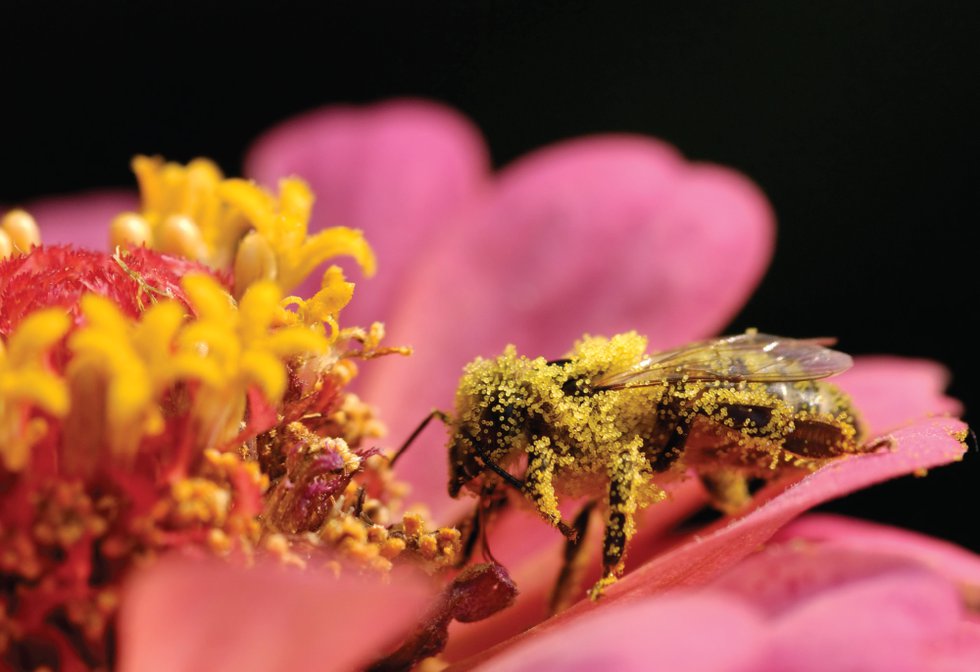
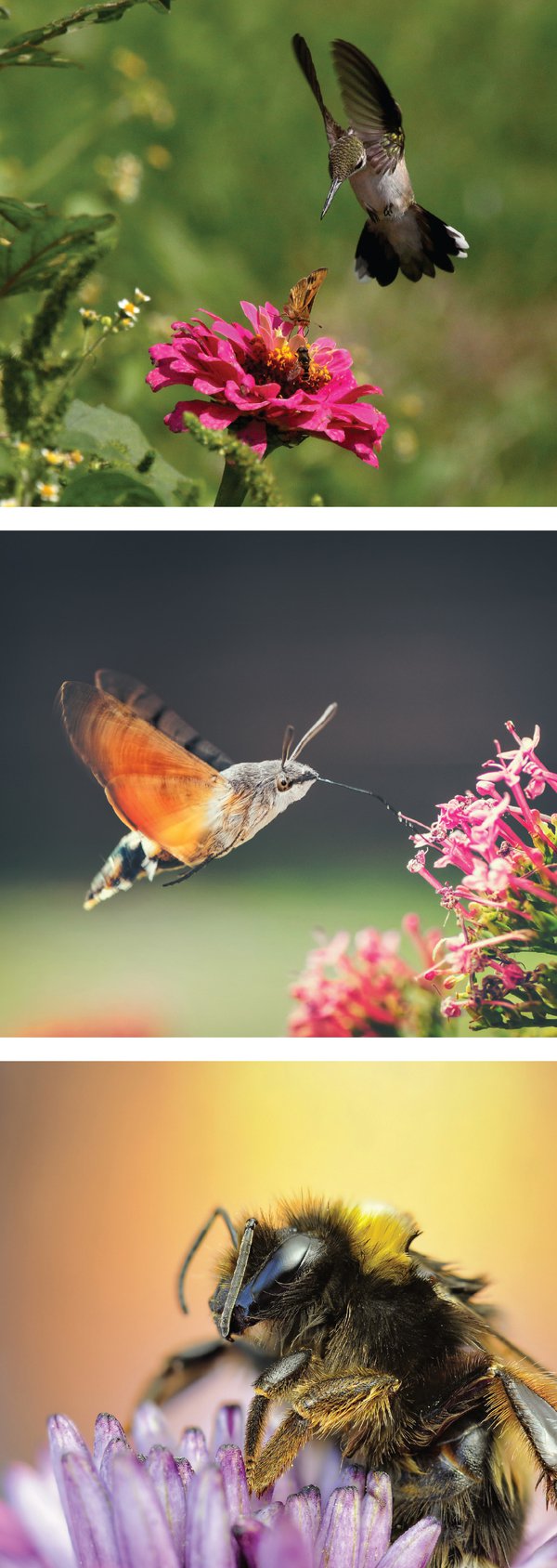
Bees are our most prolific and efficient pollinators. Birds (particularly Hummingbirds), butterflies, moths, beetles, and bats distribute the pollen clinging to their bodies among the plants. Even some small mammals do their part to move that pollen around, capturing pollen on fur and snouts. 

So what? Just a few facts about the impact these sometimes-pesky little bees, beetles, and birds have on our lives:

• 75 percent of Earth’s flowering plants rely on insect and animal pollinators.  • Healthy plants of all types clean the air, stabilize the soil, provide oxygen, and support wildlife.  • That’s approximately 180,000 types of plants, 1,200 of which are food crops.   • One-third of the food we regularly consume depends directly on the efforts of pollinators.  • In the U.S. alone, pollination by Honeybees accounted for $19 billion of our nation’s crop productivity, according to the 2010 National Parks Services records. An additional $10 billion in crop productivity was attributable to other pollinators.  • Add to our nation’s agriculture productivity, approximately $700 million flowed into the economy from U.S. Honeybee products and services. 

Garden3.jpg

But there are big problems facing our tiny pollinators:

• Tragically, Honeybees have diminished by over 50 percent since 1974. According to the U.S. Fish & Wildlife Services; a great part of that loss of our bee population can be traced to Climate Change.

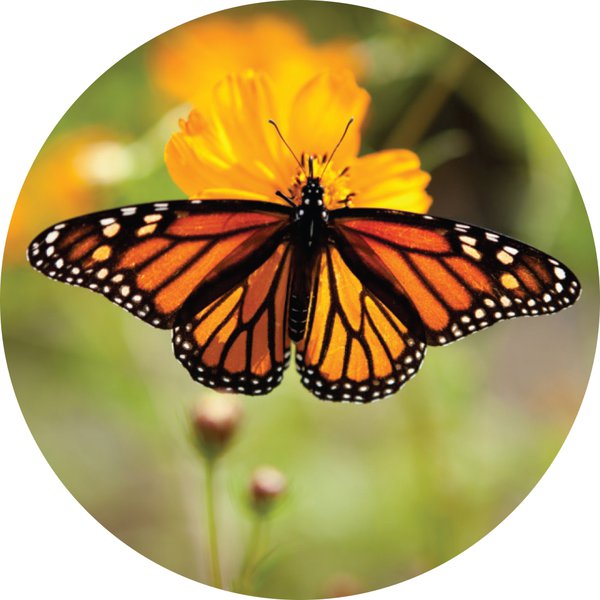
• Monarch Butterflies, those beautiful, golden creatures that travel over 3,000 miles in their fall migration, have decreased in 25 years from counts of 383 million to 4.5 million; that’s a loss of 88 percent of those glorious butterflies. 

That’s only a bit of the big picture on pollinators. You may be wondering what all this information has to do with us and our flowerbeds and gardens here in Maryland? Well, possibly quite a bit! In our own small ways, we may be able to support and protect our pollinators, even encourage their adaptation and survival. Here are some easy garden adaptations that can make a difference:

• When you’re shopping for a few new plants to add to your beds, consider “host” plants, such as parsley and fennel, that are favorite eggs laying locations for moths and butterflies. 

• Avoid introducing and remove invasive plants; they choke out native varieties. Among those culprits are some all-too-familiar plants; burning bushes, pampas grass, and golden bamboo. Even rose-of-Sharon and butterfly bushes are problematic.

• Add a water feature—a birdbath, a small pond, or simply a dish of water that can supply insects and birds with fresh water on warm days. 

• Avoid pesticides since their purpose is to destroy insect populations. Even microbial and botanical pesticides are going to kill insects. Instead, why not add insect-repelling plants to your garden? Here are a few safe choices:

• Anticipating trouble with flies and mosquitoes? Plant basil.

• Moths and fleas worry you? Lovely lavender can help.

• For mosquitoes, lemongrass and marigolds are effective repellents. 

• Long-blooming and big-blossoms plants are two big favorites with pollinators. Our state flower, the Black-Eyed Susan, zinnias, hydrangea, coreopsis, marigolds, and many more will please you and your helpful pollinators. 

 A little bit messy is good: This may be a tough one to stick to, but avoid over-tidying, keep some light garden debris—fallen leaves, tiny sticks, and other detritus. They can serve as nesting material for birds and as hiding places for the tiny beetles and ants who can help with pollinating your plants’ blossoms. 

When you implement some of these simple suggestions, you’ll be joining over 50,000 landowners across the country that have completed over 60,000 Habitat Restoration Projects on more than 6 million acres, under the leadership of the U.S. Fish & Wildlife Service. You may want to join that project; check it out at fws.gov, or learn more at the Pollinators Partnership nappc.org

BY JANICE F. BOOTH

MAR. 05, 2022

Posted in Nature, Uncategorized | Tagged , , | 1 Comment

4 Tasks to Keep your Houseplants Looking Great

BY JANICE F. BOOTH 

FEB. 12, 2022

Garden2.jpg

Winter is well and truly ensconced, and, if you’re lucky, you may be packing up for some days in a warmer clime. But, before you leave, or if you’re settling in for a cozy month with a fire in the fireplace and lots of books to read…consider taking a few minutes to spruce up your indoor garden. All those pretty plants that add warmth and color to your rooms may be in need of a bit of extra TLC right now. 

So, here are four suggestions for small tasks that will help keep your houseplants healthy and attractive. Maintaining plants indoors is similar to those tasks your outdoor plants require, only smaller in scope and time. 

Expand

Garden1.jpg

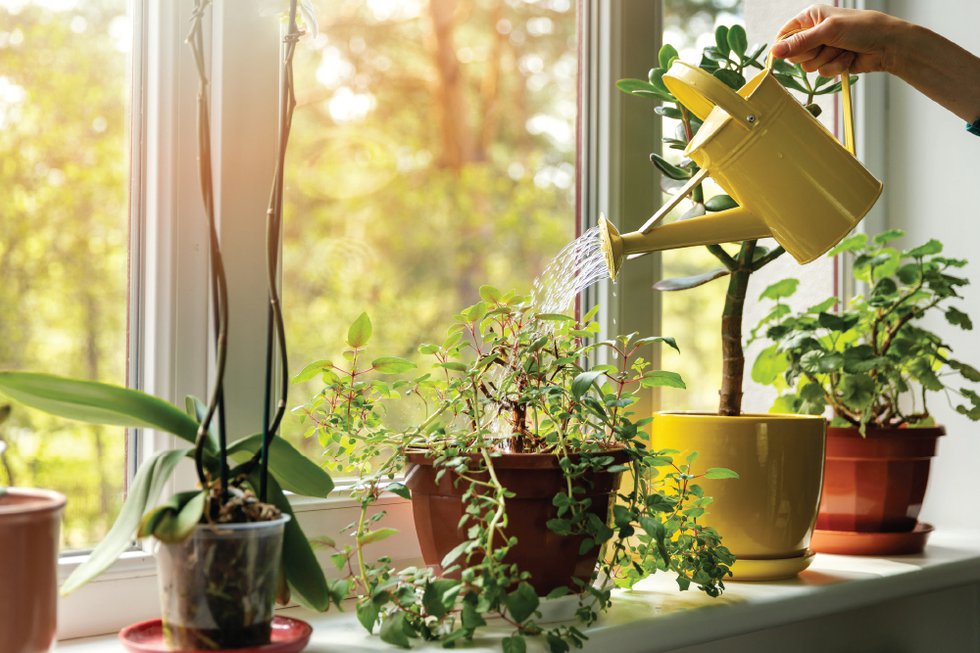
Watering: As you’ve probably noticed, indoor plants need less water, in general. They’re in pots and jars and bowls that are usually less porous and sometimes have no drainage hole at all. Be careful, if the drainage is poor, consistently wet roots may rot. 

Water less but maintain humidity; you’ve probably been giving your plants water only once a week or so. But now, with furnace and fireplace going, you may want to moisten your houseplant by misting the leaves and even adding a humidifier—good for your skin as well as your plants.’ 

Humidify: If you don’t have a humidifier, try some shallow dishes or bowls layered with tiny pebbles or glass drops. Add water to cover the rocks, and cluster some of your plants in this pretty, moist climate bowl. 

Avoid fertilizing your plants now. Give them time to go dormant. They’ll be gathering in the spring sunlight soon enough.

Expand

Garden3.jpg

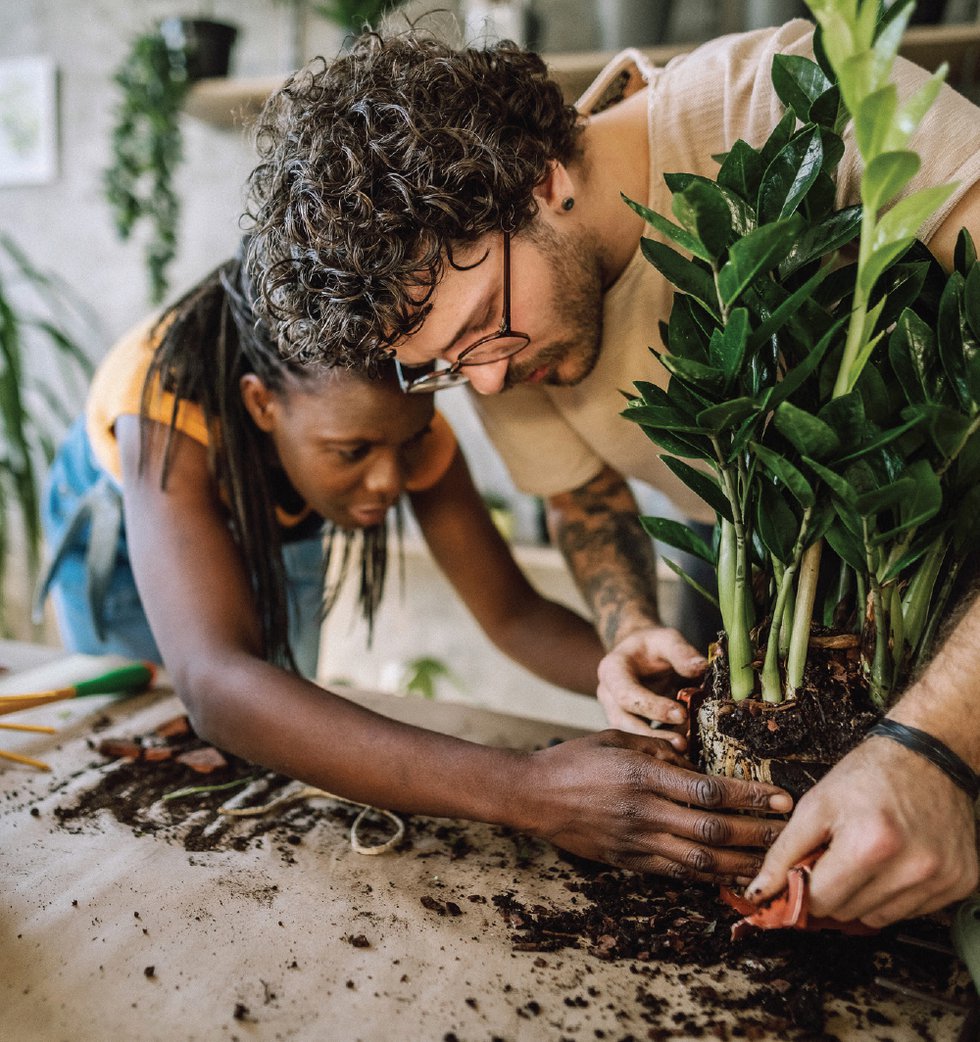
Repotting: Now may be a good time to move some of your plants into fresh soil and larger containers. If a particular plant has been in the same pretty pot for several years, or even one year where it has flourished, the roots of that plant may be a bit cramped. Gently coax the plant out of its original pot and try to loosen and free the roots from the tired soil. Then, situate the plant in a larger pot and fresh potting soil and give the plant enough water to moisten both soil and roots. Note: Watch for tiny pests that may have hitched a ride on plants brought in from outdoors. Here’s your chance to get rid of them.

https://action.publicgood.com/embed.html?partner_id=empowerlocal-what-s-up-mag&utm_source=empowerlocal-what-s-up-mag&title=4%20Tasks%20to%20Keep%20your%20Houseplants%20Looking%20Great&url=https%3A%2F%2Fwhatsupmag.com%2Fhome-and-garden%2Fgarden%2F4-tasks-to-keep-your-houseplants-looking-great%2F&utm_content=https%3A%2F%2Fwhatsupmag.com%2Fhome-and-garden%2Fgarden%2F4-tasks-to-keep-your-houseplants-looking-great%2F&widget_type=card&action=Default&is_flex=true&match_type=ml&campaign_id=a2708449-6e97-4836-8dd2-9c8fa1378e44&parent_org=empowerlocal&target_id=be922c53-0fde-4e7d-acf6-cf21763c9e67&deviceType=desktop&cpm=8&content_id=32252716&cid_match_type=post-filter%20guid%20name%20match&tag=lifestyle%20~%20conagra%20ml%20rule&is_filter=true&url_id=50556920&rules_match_info=%5B%7B%22match_type%22%3A%22post-filter%20guid%20name%20match%22%2C%22pf_guid_name%22%3A%22na%20-%20lifestyle%22%2C%22row%22%3A14%2C%22tag%22%3A%22lifestyle%20~%20conagra%20ml%20rule%22%7D%5D&target_name=Eat%20Well%20for%20Yourself%20and%20the%20Earth&is_sponsored=true&sponsor_name=Healthy%20Choice

Expand

Garden4.jpg

Cleaning tasks: While you’re doing plant-maintenance, look around at the leaves of your houseplants. The leaves collect all that lovely sunlight; they need to be clean to do that. 

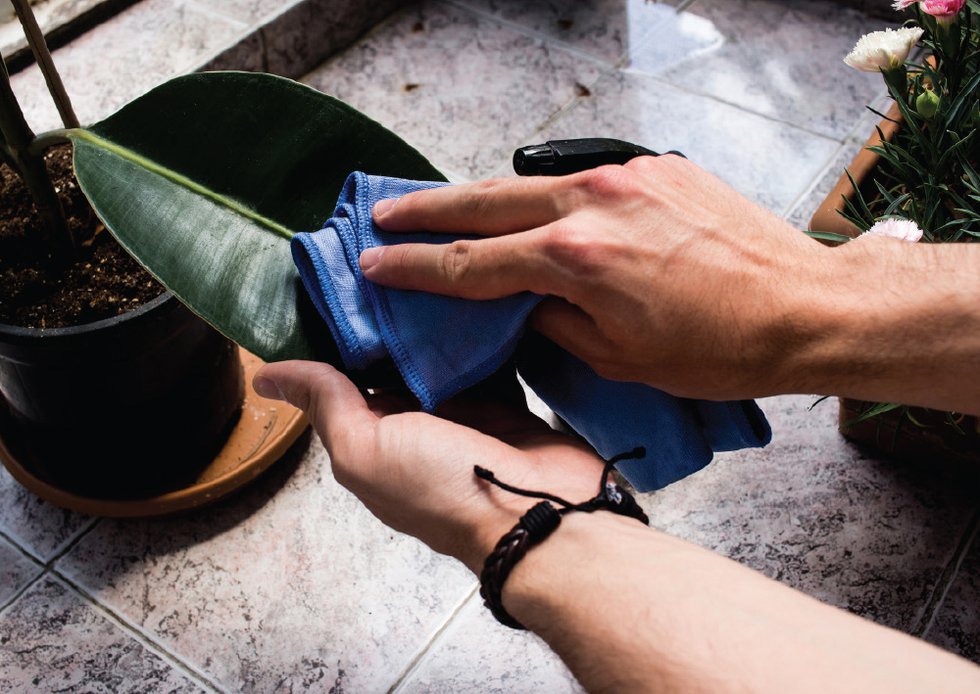
Leaf Shower: Using regular tap water or some milk, sponge off the leaf surfaces with gentle strokes; hold one hand beneath each leaf for support as you remove the dust and grime that may have settled on those leaves. If the leaves are very small, try using a paintbrush instead of a sponge. 

Debugging: Here’s another opportunity to watch for any pests—spider mites are notorious for hanging out under the leaves of plants. Mites can usually be gotten rid of with a simple spray of water and dish soap. You may have to spray the undersides of the leaves more than once to be sure you’ve gotten all the mites.

Primping & pruning: Remove any scraggly or dead leaves that may be clinging to the plant. If you’re courageous, you can take a sharp scissors to some of the gangly stems that may be marring the symmetry of your plant. I call it gardener’s “tough love.” 

Expand

Garden5.jpg

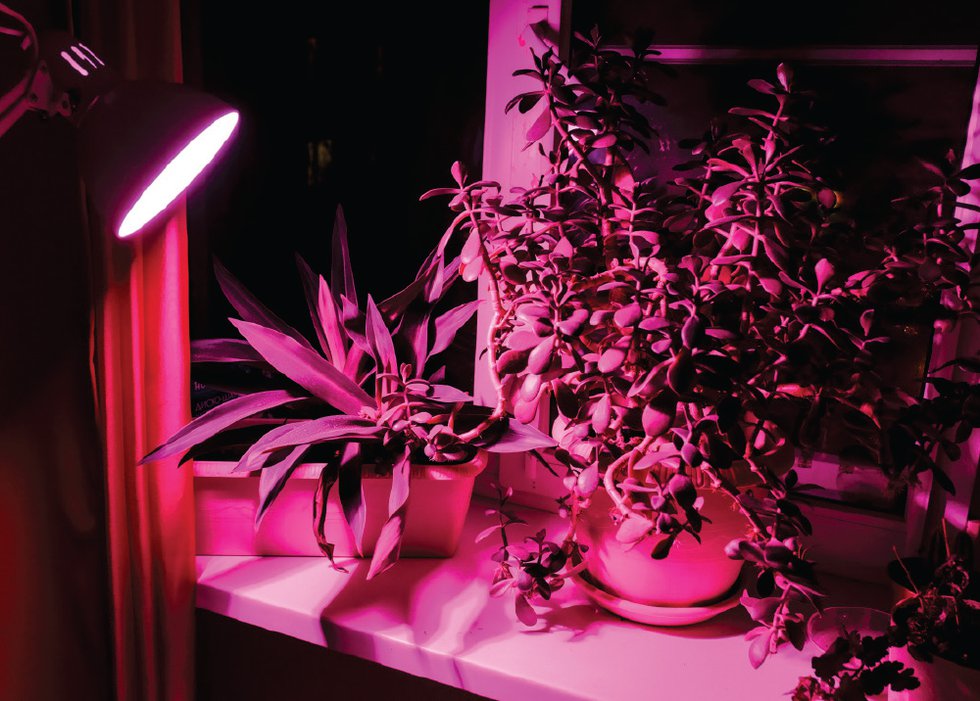
Lighting: Your plants need approximately eight hours of light each day. Since late winter tends to be rather dark and light comes from such an oblique angle, you might want to give your plants a bit of extra help with their photosynthesis now by checking that the windows are clean and/or providing some artificial light. Plants need light that provides red and blue wavelengths. The red waves encourage leaf production and growth. Blue waves affect the plant’s response to light and photosynthesis. You have two options that will provide both the red and blue waves, grow lights or LED lights.

Grow Lights: Grow light bulbs are usually installed in stands that focus the light down onto the plants below. Some provide a balanced light spectrum while others give only red or blue waves. Be sure you have a full-spectrum grow light bulb, such as a fluorescent tube, a High-Intensity Discharge bulb (HD), or High-Pressure Sodium bulb (HPS). Grow lights give off heat—the good news, they’ll help keep plants warm if you have a chilly house. The bad news is they can burn plant leaves if the plant grows too near the bulb. 

LED Lights: LED lights are more expensive to purchase, but they require less energy to use (and you may need them on up to eight hours/day), and the bulbs last longer. LED lights are very efficient, converting 80 percent of the energy they use into light. They burn cool, so they won’t burn your plants. 

After completing these four tasks, your houseplants will thank you by continuing to splash color and freshness throughout your winter rooms. 

Posted in Nature, Uncategorized | 1 Comment

Ridding the Garden of Invasive Species

“You’re Not Welcome Here”:

BY JANICE F. BOOTH

JAN. 12, 2022

Garden1.jpg
Garden2.jpg

With a new year before us, you may be organizing, clearing out the detritus that collects in closets, desk drawers, and cupboards. Let me suggest that while you’re in this frame of mind, it’s a good time to plan for some spring cleaning of unwanted and unnecessary stealthy invaders of your garden. 

Look over your garden notes, your photos, and memories of last year’s garden. Where were the trouble spots? What got out-of-hand? Let me review with you some of the unwelcome or troublesome invasive plants that you’ll want to keep an eye on or eliminate all-together if they show up in your garden. 

Here’s a review of the characteristics, the types, and the most familiar of these sneaky invaders. 

Characteristics 

Invasive plants can damage, even eliminate the healthy growth of other plants in your garden. 

Here’s how to identify them:

  • Rapid growth and maturation
  • Prolific seed production 
  • Successful seed dispersal, germination, and colonization. (I know; this sounds like something out of a low-budget Sci-Fi movie.)
  • Rampant vegetative spread. (That’s right; they are hardy plants and eager to spread-out in your flowerbeds…and beyond!)
  • Out-compete native plants, syphoning off the moisture, nutrients, and sunlight from nearby plants.

This troublesome vegetation sneaks into your garden as seed, root, runner, or rhizome (sturdy stems that travel just below the surface, from which new shoots spring up) and proceeds to have its way with your garden.Expand

Garden3.jpg
Garden4.jpg

Types

Maryland’s Department of Natural Resources (DNR) has come up with a WANTED List. You can print out your copy at Dnr.maryland.gov/wildlife/documents/invasive-plants. 

The DNR identifies two designations of invasive plants:

Tier One: These are plants which may not be sold and should be eradicated. (Bamboo and amur honeysuckle are examples). Tier Two: Plants that may be sold but only with clear warnings to the buyers. They’re likely to grow out of control at the first opportunity. (Japanese wisteria and Scotch broom are examples).Expand

Garden5.jpg

Familiar Invaders

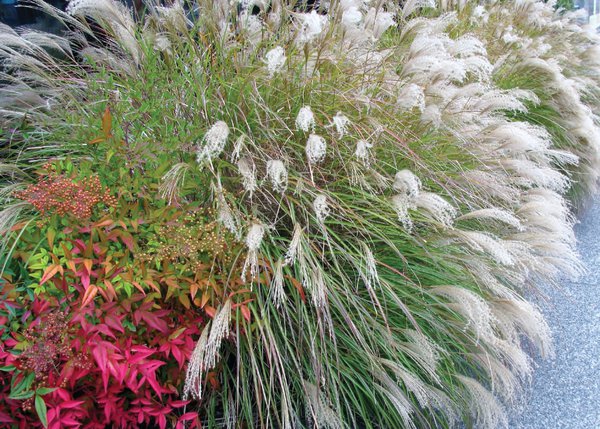
 The DNR identifies familiar plants that we often see here in Maryland in open meadows, along stream banks, and even—dare I say it—in our own gardens. If you’re harboring some of these in your garden…BEWARE. Note: invasive plants have evolved to survive, no matter what. One sneaky adaptation they have is to start slow, and over time pick up speed! For example, you may have a lovely clump of silver grass along a path for years, and then, one spring you look in amazement as that pretty clump emerges as a huge, indestructible mound of silver grass. 

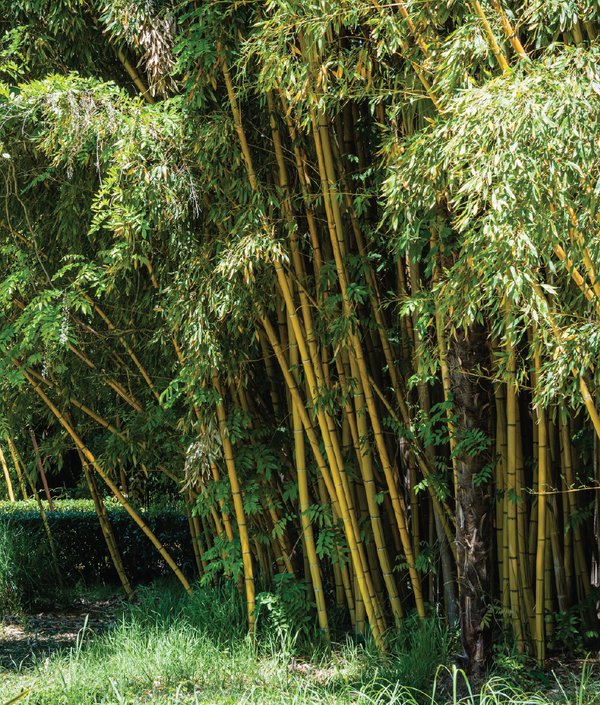
Bamboo: great for privacy and fishing poles, but its rhizomes (sneaky horizontal roots) travel everywhere, and bamboo shoots will pop up from the rhizomes anywhere they please! Once they emerge, the new plants will send out their own rhizomes, and the bamboo becomes very difficult to control or eradicate.

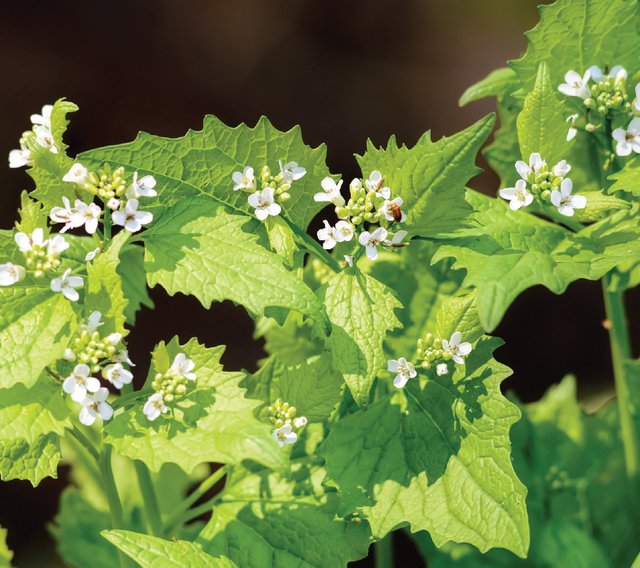
Garlic Mustard: this plant is toxic to butterfly larvae. Its delicate-looking leaves and tiny white flowers harbor roots that change the soil’s chemistry, making it inhospitable for other plants for years and even permanently.  

Chinese Silver Grass: as I mentioned previously, this plant is seductive; it wants to be admired with its slender leaves striped in pink and silver and its graceful, feathered stalks that bend and nod in the breeze. Before too long, its root mound will grow like the Blob in that sci-fi movie.

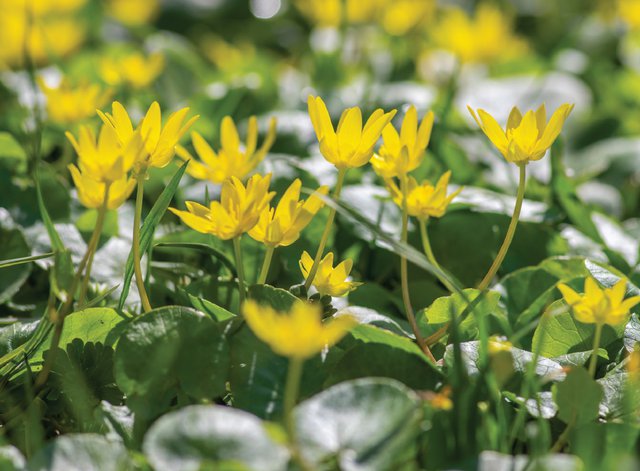
Fig Buttercup or Lesser Celandine: these shiny, heart-shaped leaves and bright yellow flowers might show up along your stream bank or boggy area. They’re sweet, pretty plants, but their roots mat, and before long they choke out surrounding vegetation.Expand

Garden6.jpg

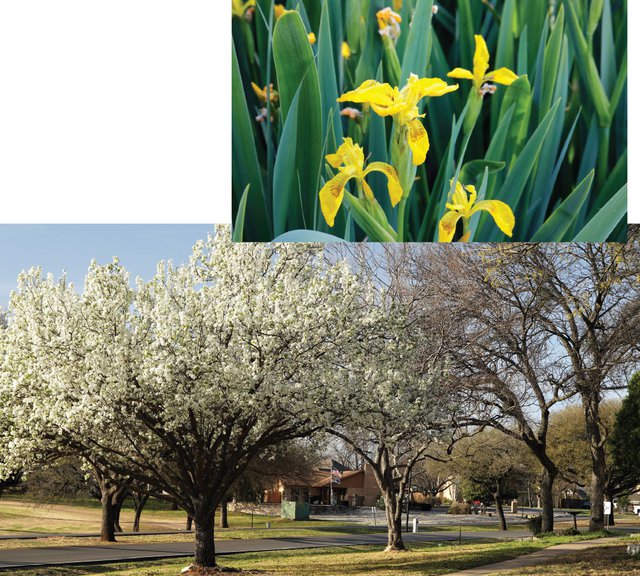
Pale Yellow Iris: you may have these delicate-looking iris in or near your pond. Beware: as you may already have learned, their sap can be irritating to your skin. (So, wear long gloves if you pull them out.) In addition, they’ll sicken any animal that tries to eat them.

Autumn Olive: this sneaky shrub can be any size and produces pretty, creamy-yellow flowers from February to June. (Tempting, I know, for those early months in the garden.) And the Autumn Olive gets its name for its pretty, red berries in fall. But, if you try thinning out the plants, you find there are thorns along the branches. It does not want to be disturbed!

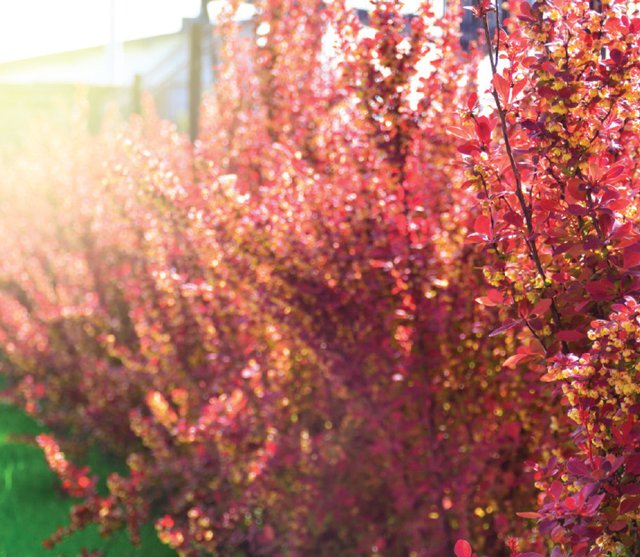
Japanese Barberry:  this shrub’s thorny branches are a delicacy for birds, believe it or not. Birds eat this barberry’s late-summer, red berries and its thorns. The barberry’s small leaves turn purple in the fall, making them a tempting addition to gardens. But, beware. They’ll take over.

Bradford Pears: yes, I know, at one time the State planted them along roadways. They’re noted for their profuse, white spring blossoms and red leaves in the fall. But these soft-wood trees propagate seemingly by magic and will appear anywhere they like. 

There are other, equally enticing and sneaky plants that may win your heart at first, but give you nightmares over time. If they’re pretty and they seem to grow effortlessly, there’s probably a reason. Invasive plants have evolved and adapted to stay alive in the garden or wild, with or without your permission.

BY JANICE F. BOOTH

Posted in Published articles | 3 Comments