My poem, “Counterpane” has been included in a new anthology of poems for and about LGBTQ and Trans people. I wrote the poem for my beloved daughter, Zoey.
Counterpane
Precious quilt, lush and richly hued,
of discarded pieces; lush velvet, worn silk.
Threaded with loss and suffering,
plump with filling of her fabrication – my daughter.
Like Scheherazade, she weaves her own life’s story,
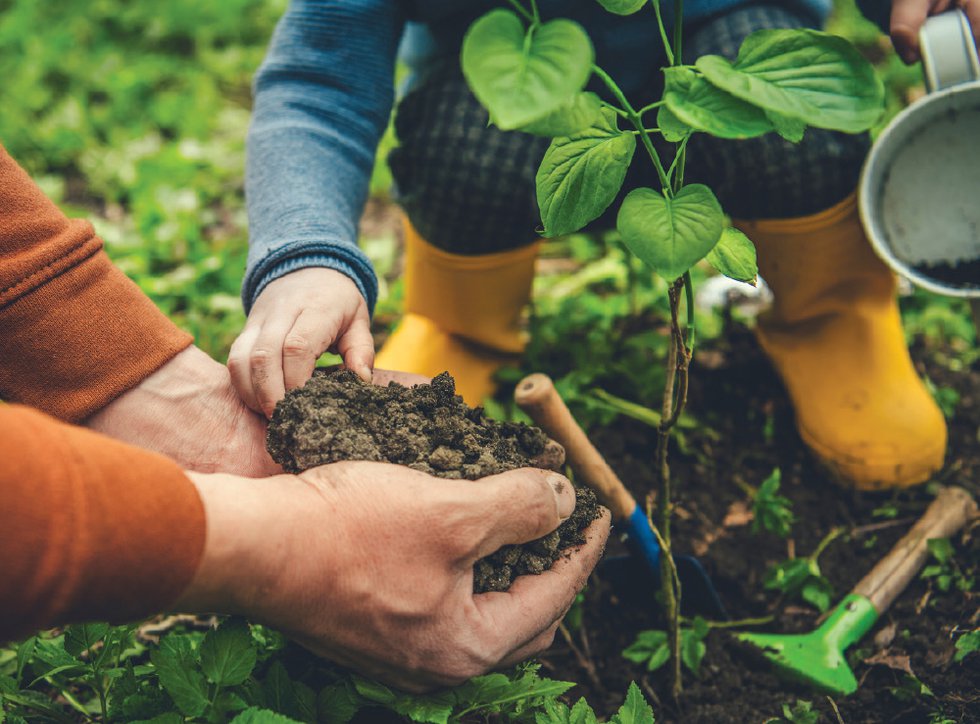
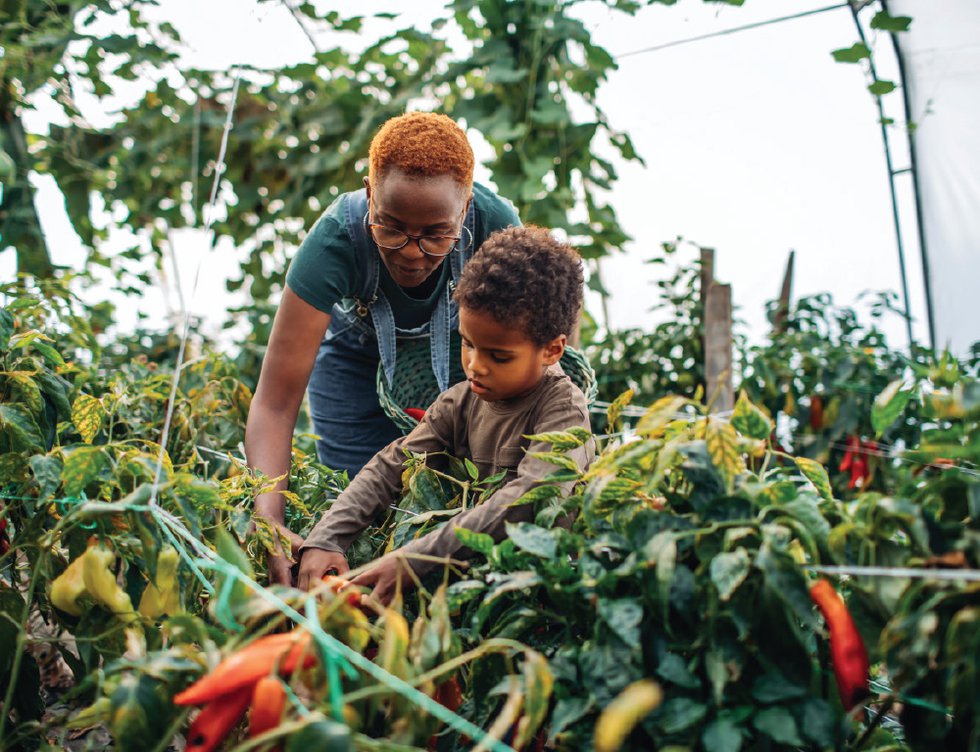
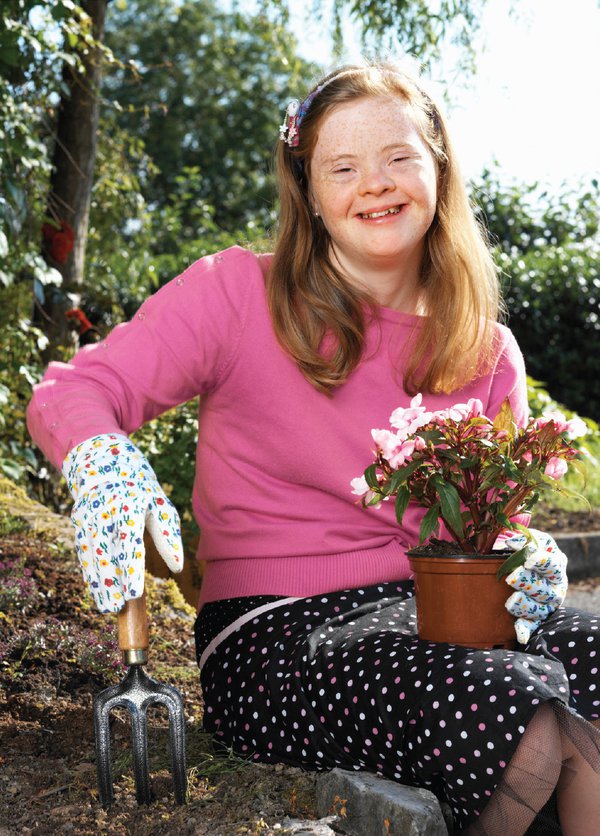
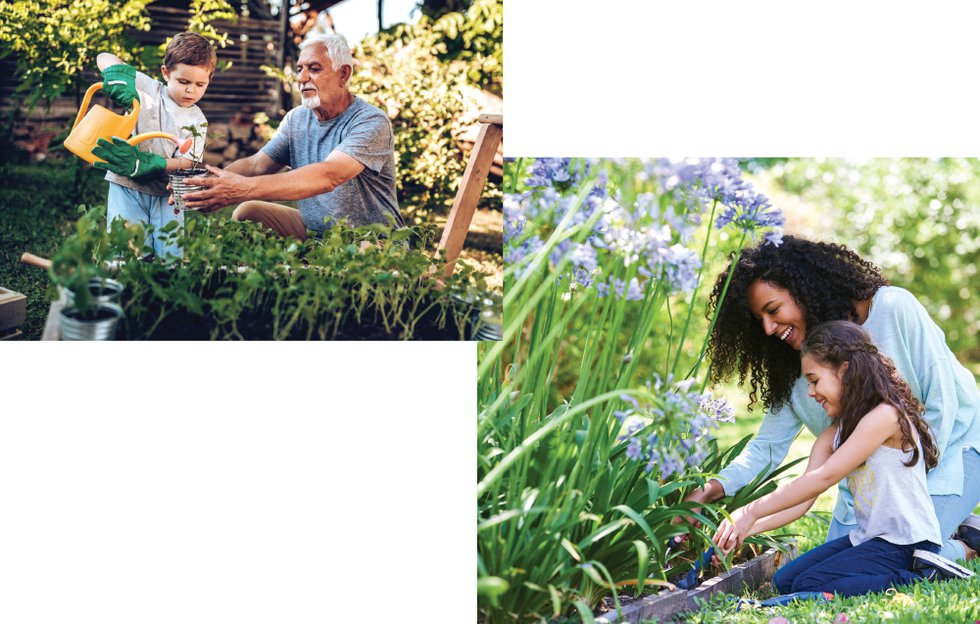
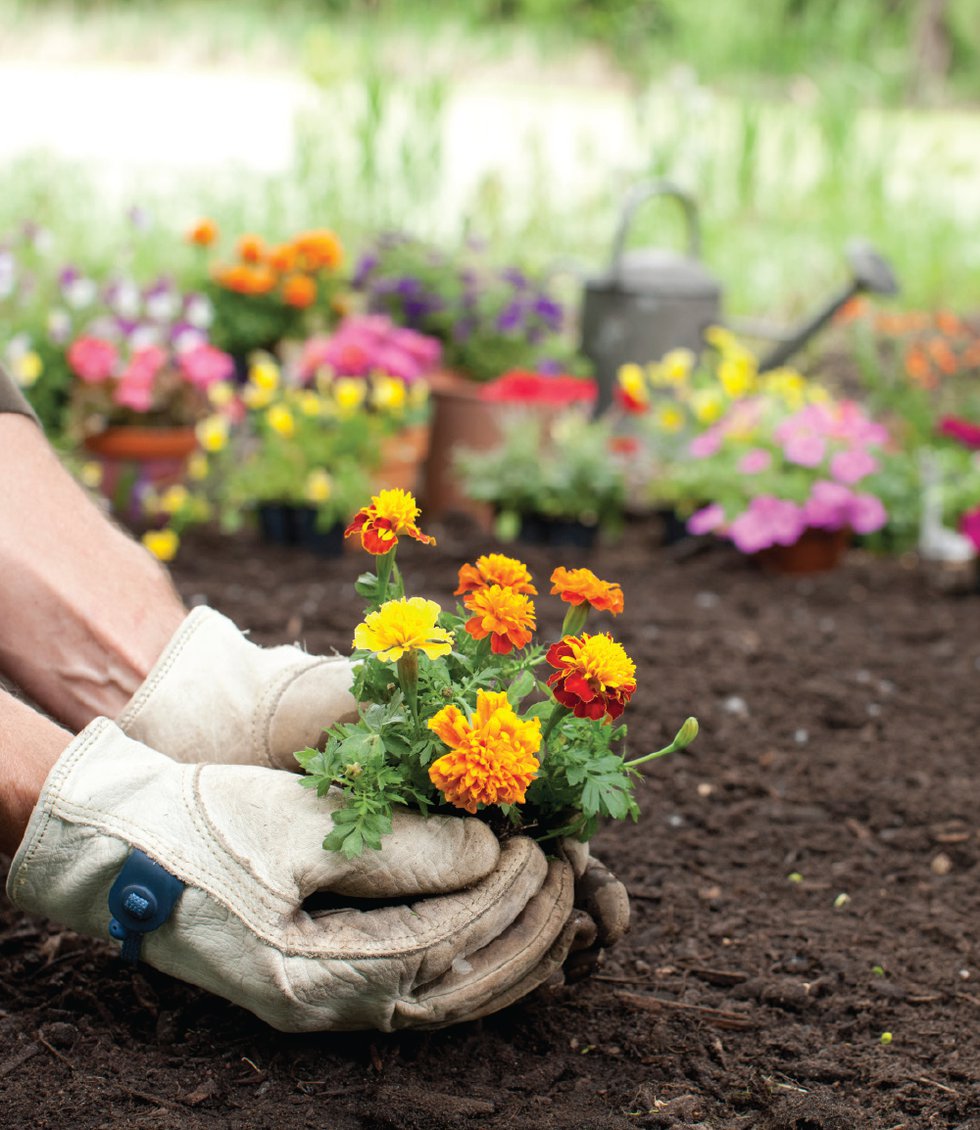
If you love gardens and children, let me offer a few suggestions for planting a love of gardens in the hearts of the children in your life. School is finishing and summer plans are gelling. Spirits are rising, along with the early hellebore, peony, and iris. Maybe you’ll be looking after your grandchildren, niece, or nephew for a week or two. Or your neighbor’s toddlers are finding your garden and puppy irresistible and spending lots of time visiting you as you work in your garden.
Whatever the reason, let’s consider (1) the advantages of encouraging a love of gardens and gardening. (2) Local and regional public gardens you can enjoy with your young friends. (3) Hints and equipment for gardening with children. (Keep in mind that children may only find gardens and gardening interesting for a few days or a few weeks. That’s okay.)
Advantages & Skills Acquired While Gardening. Pediatricians and Child Psychologists agree on the skills and attributes developed by children involved in gardening:
Children Ages 2–10
Communication skills: giving and following directions, describing a process, asking questions, predicting outcomes, drawing conclusions
Interpersonal skills: team building, sharing responsibilities, listening to others
Setting and achieving goals: recognizing time constraints, appreciating appropriate goals, developing adaptability when problems arise
Exercise: the usual with fresh air, sunshine, and motor skills
Adolescents Ages 11–16
Exercise: (for those teens who prefer the computer to the soccer field) fresh air and sunshine. Tip: Sometimes, you might need to use the tried-and-true ploy, “Could you give me a hand with this? I can’t seem to be able to…”
Knowledge: I can imagine a science fair project in the offing. You might encourage your teen to take some time-lapse photos and measurements. The information can be set aside, and dusted off in the fall, when the school’s science fair is announced. It may be a relief for everyone if half the work is already completed and only a poster board and some glue are needed to display the experiment on photosynthesis or companion planting.
Interpersonal skills: “Helping” you trim the forsythia or plant marigolds and petunias may be a rare opportunity to listen to your teen. A few casual questions on a sunny afternoon in the garden can become a precious experience for you both. Working together to accomplish a task may be a rare experience for our often-isolated adolescents. “Responsibility” may be another skill developed while gardening. Watering, weeding, protecting young plants from bugs and bunnies; all opportunities to assume responsibilities that are achieved in real time.
Stress reduction: Teens are old enough to face lots of stress and need opportunities to deal with that stress. Gardening can prove a healthy alternative to zoning out on video games or sleeping. Depression can sometimes be eased with sunshine and Nature’s many charms, including fresh air and songbirds.
Perhaps you’ve tried introducing your child to gardening in the past without success. A trip to a public garden that has child-friendly areas and programs might provide a fresh start to encouraging children to get involved with gardening:
Adkins Arboretum, Ridgely, MD: On the Eastern Shore with lots of trails for children to explore
American Horticultural Society Children’s Garden, Alexandria, VA: Includes a “Little House On the Prairie” garden
Brookside Gardens, Wheaton, MD: Includes a live caterpillar and butterfly exhibit
Lewis Ginter Botanical Garden, Richmond, VA: Includes a “water play area” and Klaus Family Tree House”
Longwood Gardens, Kennett Square, PA: Includes an indoor children’s garden and “Nature’s Castle Treehouse”
Miller Branch Library, Ellicott City, MD: An “Enchanted Garden”
U.S. Arboretum and Botanical Gardens, District of Columbia: Includes gardens planted by children
Winterthur Gardens, Wilmington, DL: Includes “The Enchanted Woods”
Following are a few suggestions that might help make your foray into gardening with children less daunting:
Plan Ahead: If you’re working with several children or only one:
Decide and mark the area each child will have for her/his own garden. If you have room, spreading out the patches may avoid comparisons and competition.
Gather enough tools for each child: sharing may come eventually, but start each child with his/her trowel, watering can, and work gloves.
Be sure each plot has sufficient sunlight.
Gather a few gardener’s catalogues. Each child will be able to see what the various plants will look like as they begin to mature. You can even make picture plant stakes to help the child remember what is planted and where.
Top Crops: Here’s a list of almost-fool proof plants children enjoy:
Bush beans • Carrots (fun example of tasty roots) • Cherry tomatoes (tasty treat for a tired gardener) • Lambs Ear (fool-proof, fuzzy, and cute plant) • Lettuce (nice because children can often get several harvests) • Nasturtiums (great for a conversation on edible flowers) • Potatoes (another tasty root) • Pumpkin (a big favorite, if you have room enough for the sturdy vines to spread) • Snow peas (fun to eat fresh off the vine) • Sunflowers (talk about photosynthesis and watch those heads turn!)
Be prepared to “cheat”: If a bunny has devoured your young gardener’s lettuce plants, go ahead and replace them with a few fresh plants. Pull a few of those weeds choking her snow peas. Also, if you’re watering, sprinkle a bit around the children’s patches. It’s more important that they enjoy the gardening and the garden than that they do everything perfectly themselves.
You may have an old sandbox in the garage or gardening shed. Fill it with soil and make that a child’s garden.
Take lots of pictures of gardener and plants. Keep an on-line or paper scrapbook, even if the whole project lasts only a few days or a week. It will be fun to look back at the project as your young gardener matures and, hopefully, takes on more responsibilities and projects in the garden.
Suggest a theme garden, perhaps like one they saw at a public garden. Paint rocks to place in the garden. Use twigs and shells to decorate the soil.
If all else fails and the kids are getting cranky, build a scarecrow. Grab a leaky pair of boots or old sneakers, some socks, worn-out jeans, a long-sleeve shirt, garden gloves, a beach ball or big balloon, and a hat. Get that left-over straw from the spring or lots of newspaper and rags. Stuff those clothes; tie them together with gardening twine. Draw features on that balloon or ball, and bingo! You’ve got a scarecrow. (It can be a reclining scarecrow if the construction seems precarious.)
Whatever happens, have fun. Take pictures. Take your time. Savor those hours or days shared with children. You may get tired, frustrated, even annoyed, but you’ll look back on the days in the children’s gardens with appreciation and delight. Truly!
A new, collaborative project gathers wisdom from the Indigenous Peoples of Maryland’s Eastern Shore
Tidewater, Nanticoke, Algonquin, Powhatan. Do these names sound familiar? Perhaps a restaurant or creek come to mind. But originally these were familiar names in the Algonquin language and lives of the Indigenous People of our region. The Nanticoke Nation was referred to as the Tidewater people of the Eastern Shore; they spoke Algonquin and were allied with the Powhatan Confederacy of what became Virginia. The Nanticoke leaders, referred to as warriors, generously welcomed Captain John Smith in 1608 as he led an expedition into the lands and rivers where the Nanticoke resided, the Delmarva Peninsula.
When the Europeans began to explore the East Coast of North America, there were and still are five indigenous nations or tribes. Until the late-17th century these tribes lived in established villages, farming and hunting the Delmarva Peninsula, as they had been doing for over 2,000 years, from 1000 BCE to 1608 CE. These five tribes are the Wicomiss, Choptanks, Nanticokes, Pocomokes, and Assateagues.
So, let’s get the tough truths out of the way: In the early part of the 17th century (before being decimated by plagues and attacks), the five indigenous nations greeted and aided colonists. However, it was not until 1879 that the United States Federal Government granted the Indigenous People “personhood.” In 1921, the Nanticoke Nation formed a legal organization to provide a united voice to defend their rights. Finally, in 1924, the Indigenous People were granted U.S. citizenship.
Today, Marylanders living on the Eastern Shore are exploring, acknowledging, and honoring the Delmarva’s often painful and complex history—slavery, the Underground Railroad, and the Indigenous Peoples are major components of that history. Among the Eastern Shore’s projects to honor what had been repressed are the Harriet Tubman Museum, the Self-Guided Underground Railroad Tour, the Frederick Douglass Driving Tour, and the rebuilt Nanticoke village, Chicone at Handsell, Maryland.
Expanding that examination and honoring what had been suppressed in the past, Washington College’s Food Initiative program (WCFI) collaborated with Adkins Arboretum and the Botanical Art League of the Eastern Shore on a project studying tribal life and focusing on 21 of Maryland’s native plants prized and used as food and medicine by Indigenous People.
A view of the Nanticoke River looking southwest shows wetlands in the foreground, which remain much as they were several hundred years ago. Photo by Matt Rath/Chesapeake Bay Program.
Top Photo: A wetland with cattails and a raised walkway is seen at Adkins Arboretum in Caroline County on Maryland’s Eastern Shore. The natural, native landscape harkens to an earlier time of indigenous Americans. Photo by Chesapeake Bay Program.Bottom Photo: An interpretive sign explaining a forested floodplain is seen at Adkins Arboretum. Photo by Chesapeake Bay Program.
According to Adkins Arboretum, there were approximately 20,000 Choptank living on the Eastern Shore prior to 1600 CE. Adkins Arboretum is situated on land once inhabited by the Choptank People. Daniel “Firehawk” Abbott, a member of the Nanticoke Nation and respected historian of Indigenous Peoples, consulted on the project and vetted the material on the project’s web pages. “WCFI shares a passion for healthy food that honors our cultural, ecological, and ancestral heritage” observed Washington College Program Director Shane Brill in an interview with Amelia Blades Steward.
From the three entities’ collaborative research, came the Adkins Arboretum’s interactive and informative website named, Indigenous Peoples’ Perspective Project, which offers a “field trip” into the world of the native populations of the Eastern Shore. The site discusses the tribal nations, including historical perspective, interactive maps, the plants favored by Indigenous People and their uses, as well as three videos.
The Arboretum explains: “The project seeks to encourage a paradigm shift from land as capital to land as sacred teacher, healer, and sustainer…Through the Indigenous Peoples’ Perspective Project, the Arboretum and the WCFI strive to honor the wisdom of native peoples and their unique relationship with nature by sharing their ecological perspectives, history, and traditions.
The website and a native-plants art exhibit, held earlier this year (in January and February), bring to life what might have otherwise been dry research. The 21 native plants that were studied for the Indigenous Peoples’ Perspective Project were captured gracefully in botanical illustrations—many by renowned artist Anna Grace Harding—using graphite, watercolor, and colored pencils. Washington College, Adkins Arboretum, and the Botanical Arts League’s Indigenous Peoples’ Perspective Project’s website and art exhibit were funded with a grant from the Maryland Historic Trust along with support from the National Endowment for the Humanities and private funds.
Bring up the Adkins Arboretum link on your smartphone; you’ll find a self-guided walking tour through meadows, forests, and marshlands. Each stop on the tour includes a brief history of the Indigenous People who inhabited the natural space. The page has illustrations of the people and the plants found in the area. For example, on the meadow page, Sumac is one of the plants showcased. The Choptank people ate the red berries like candy, dried berries were smoked, and a paste made from the plant was used to treat blisters and rashes. (Caution: Green or White Sumac berries are poisonous.) The meadow page also talks about deer tracks and the significance of the deer to the native people. The site’s information will capture the imagination of young people as well as interest adults.
The forest page includes illustrations and explanations of the shelters—wigwams and long houses built by the Choptanks. The forest page also introduces pawpaw fruit and the tree that produces it. The page notes that the pawpaw is a tropical plant that was brought north by the droppings from long extinct, migrating animals. The pawpaw is such a versatile and useful fruit that native Americans cultivated the trees. Pawpaw could be eaten raw, made into custard, and dried to become flour for cakes. The tree’s bark was woven into rope or string.
The Elderberry plants discussed on the marshland page capture the imagination of children by referring to Harry Potter’s “Elderwand,” which was made from elderberry wood. Children are even encouraged to try weaving a mat of cattail reeds. We’re told the various uses for the cedar tree’s feathery branches and cones that resemble blue berries. All three of the self-guided tour web pages suggest small projects for children to attempt.
Three beautifully produced videos show the various plants, berries, and seeds with a voice-over explaining the uses of each variety. And, if you haven’t time for the videos, the site has a list of the 21 plants. Click on the names and you’ll go to a page that explains how the plant was used by the people who lived on the land. Among these interesting plants is the Shagbark Hickory. Indigenous People found uses for the entire tree—leaves, nuts, bark, fruit, wood, and sap. The nuts were prized for food and drinks. The bark provided an astringent prized as a salve to stop bleeding and cleanse wounds. The hickory wood could be fashioned into useful tools, and the bark woven into baskets.
The Ground Nut, commonly called a potato-bean, is more than a pretty face, with its pink or lavender blossoms. Like other tubers, the Ground Nut’s fibrous roots were harvested year-round and cooked into tasty, nutritious dishes. The softened tubers were also used as a compress on wounds and skin abrasions.
Another common tree that was prized as useful to Indigenous People was the Slippery Elm. It was a veritable medicine bag! Chewing the soft, inner bark (thus the name “slippery”) calmed stomachs, relaxed bowels, cured heartburn, and soothed sore throats. The same inner bark was made into a poultice or paste and applied to burns, wounds, and other skin irritations, even being used on the eye.
And let’s consider the mighty Milkweed. Not only loved by butterflies and bees, Milkweed was prized and used by resourceful Choptank natives—cooked and eaten like asparagus, added to soups, and mixed with animal fat to create chewing gum. The stalks give off a milky juice that was made into glue, and the soft seeds from the pods were used to stuff pillows. Medicinally, Milkweed was used to treat rheumatism, backaches, and urinary problems.
There are 17 more plants showcased and explained, along with interactive maps and videos within the Adkins Arboretum’s Indigenous Peoples’ Perspective Project website. The research, creation of the website, and art exhibit showcase our region’s native history and offer perspective about the life and times of Indigenous Americans.
Two of my poems have recently been selected for inclusion in new publications. It is an honor and a joy to share my poems with a wider audience.
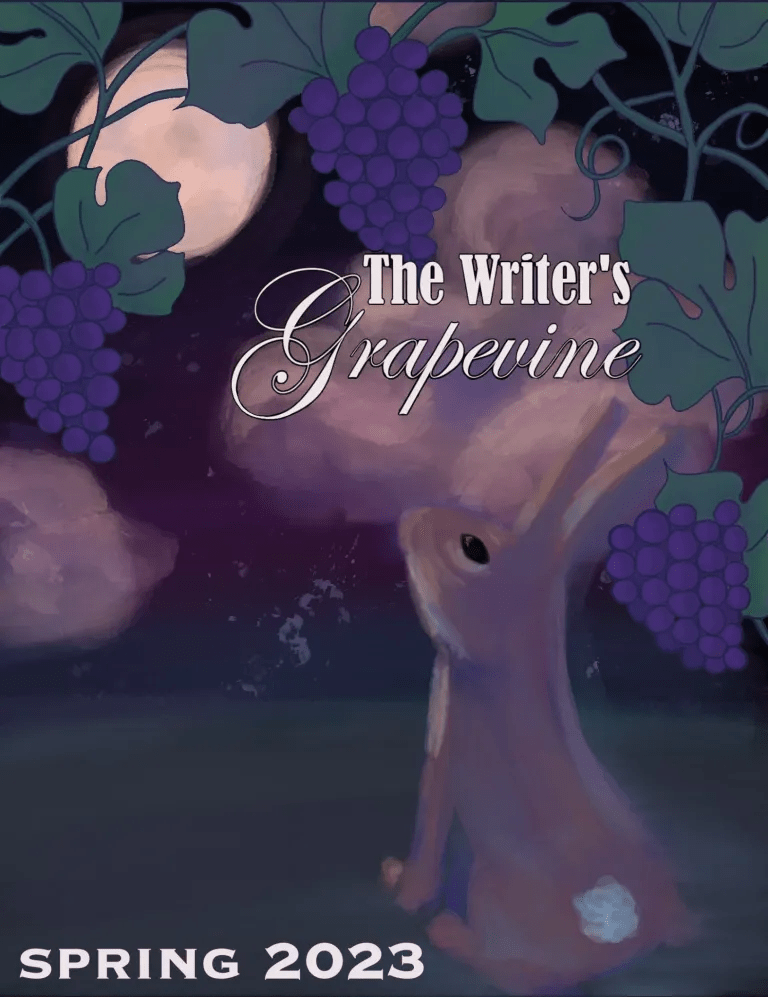
The Writer’s Gravevine, Spring 2023, includes my poem, “Winter Walk: a Haibun (pgs 66-67) A haibun is a 2-part poem. The first is prose, and the second part a traditional poem echoing the first part.
Winter Walk
It’s a sunny, winter’s day in Michigan. Bundle up the babies, load them in a car; let’s head off for a walk at Kensington. Let’s take one of the familiar trails through the oaks, elms, maples and evergreens and along the lake; it might be frozen today. The snow’s been tramped down by early risers, except for a few bunny and squirrel tracks. We’ll be the first footsteps in the glistening snow. There’s a deer, oh, and a fox in the distance. And here are our dear songbirds. The Juncos, Titmice, and Chickadees are such little beggars. They know we’re carrying treats. Look. The Chickadees and Nuthatches are on those branches just ahead. Such squealing from you, Babies. We know you’re delighted with the songbirds’ chirruping. Softly now; don’t frighten the birds. Birds and humans, we all know the routine. First, here are your goldfish crackers, Kiddos. Oh, my; very little of the crackers are reaching those tiny mouths. You’re like the children in “Hansel & Gretel,” leaving a trail of cracker crumbs behind you. What fun! The wrens, finches, and sparrows are swooping in to glean the tidbits. Okay, time to open our little sack of sunflower seeds. I’ll put a small mound in my hand. Watch, a hand filled with fragrant seeds is irresistible to our feathered followers, I whisper. After a moment, a tiny, warm ball of feathers lands delicately on my palm and selects a plump seed. Then, so quickly, our little visitor flies up, onto a nearby branch. The feeling is exquisite. The warmth of that tiny creature, the softness of those gray feathers, the delicacy of those tiny toes, grasping my finger, resting on my palm – the jolly children and trusting birds, a gift that will stay with me as long as I live.
Some years ago I wrote a column on clever, little tricks and ways we can make our work in the garden easier and thus more fun. Since that column, kind readers have shared with me additional tips. My “Tips” file is bursting, notes sliding out a plump folder. So, here I go, with tips and tricks redux.
It’s amazing how many of our kitchen products and tools can also help in the garden. For example:
Unhappy with the rabbits and deer nibbling away at your tender flowers, herbs, and veggies? Gather those plastic forks from take-out (black or clear ones will be unobtrusive) and stick them, tines up, in the ground, forming a short, prickly fence around your young plants. Your fuzzy and furry visitors will look elsewhere for their greens.
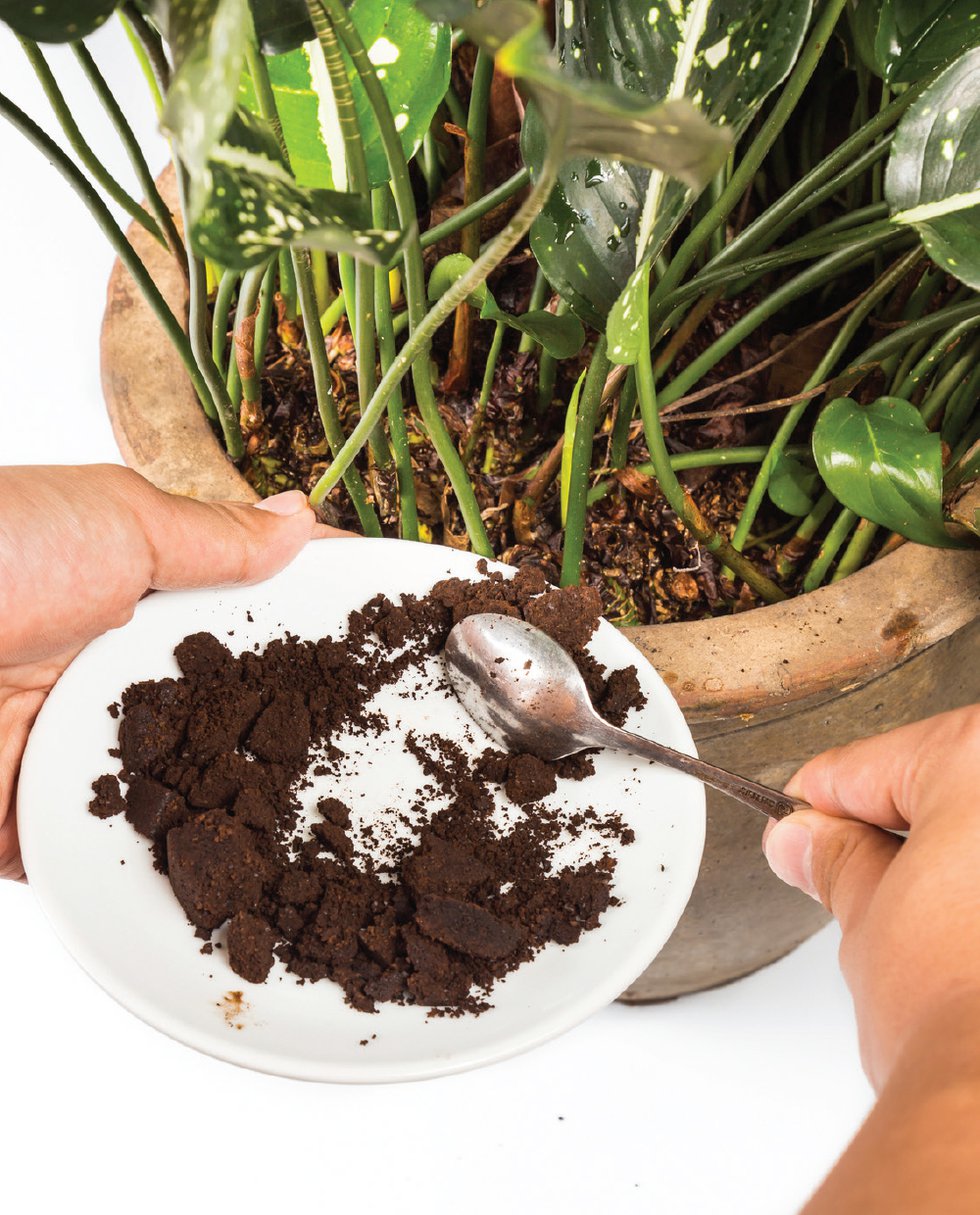
Don’t throw away those coffee grounds; sprinkle them under your plants. They help provide nutrients and discourage cats from relieving themselves beneath your zinnia and begonias. Use coffee filters in the bottom of flower pots to catch soil, roots, moisture, and nutrients and keep them in the pots.
Cayenne pepper and cinnamon are gardeners’ friends too. Sprinkle the pepper to deter pesky animals and insects. The cinnamon kills fungus that might form from over-watering.
White vinegar, rubbing alcohol, and water sprayed on salt-stained clay pots will remove the stains with a bit of scrubbing.
After boiling vegetables or eggs, save the cooled water to use on your potted plants. There are helpful nutrients in that water, and your potted plants will appreciate the boost.
Those kitchen sponges can help in the garden too. Cut pieces of sponge to fit in the bottom of flowerpots. The sponge will absorb water and release it gradually into the soil, thus helping you avoid overwatering or arid soil. (Start with a clean sponge to avoid any bacteria that might harm the plant’s roots.)
Mosquitoes too are susceptible to oil, particularly olive oil. Sprinkle olive oil over the surfaces of that fountain, birdbath, or pond. Oil will discourage mosquitoes from laying their eggs there.
There are some clever ways to maximize other garden and household supplies, making your gardening tasks easier. Try the following:
The thought of hanging pots can cause me to bolt upright in the middle of a summer’s nap; “You haven’t watered me in 24 hours!” Oops. There’s a remedy for that. Cut up bio-degradable disposable diapers. Place a piece of diaper in the bottom of a hanging pot; sprinkle some fertilizer on the diaper, then add soil and the plant. Like the sponge, the diaper will absorb and release moisture evenly over several days, usually. The fertilizer just adds a little boost. Your hanging pots will look lush and happy, with the added bonus of not dripping down onto your patio or porch floor leaving an ugly water mark.
Save the hair clippings when you cut your children’s hair or trim your mate’s. Sprinkle the hair around the garden. The scent will discourage all the wild critters: deer, rabbits, raccoons from hanging around. (Sadly, squirrels are not intimidated by the scent of humans.)
And speaking of odors. Hang bars of Irish Spring soap from tree limbs or stake them to fence posts. Deer do not like the scent and will stay away—usually.
Fleas and ticks hate the smell of cedar chips; you and your pets will love them in your flowerbeds.
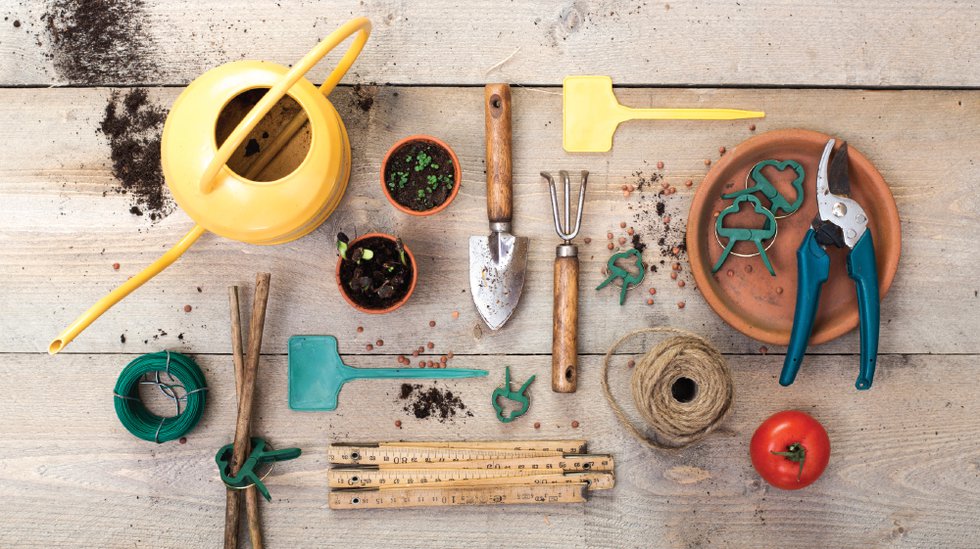
Having trouble keeping track of your small garden tools? Find an interesting mailbox—perhaps something dented and rusty or maybe a shiny, red beauty. Use it as your toolbox. It can sit along the garden path or in a flower bed and look pretty, while you can avoid running around looking for that favorite trowel or your gardening gloves.
Paint the handles of your favorite tools a bright color so you can find them when you drop them in the flowerbeds. The bright handles will help friends or neighbors remember which tools are yours.
Small clay pots can be useful as hose-guides, or to cover fragile seedlings when frosts or windstorms threaten. Put that ball of garden twine in a small pot with the free end running out the drain hole. Easy to keep the twine tidy and measure out the amount you want.
Speaking of measuring, I’m always running around looking for my tape measure or yardstick. Gather up your long-handled garden tools. Measure off and mark with permanent ink, a foot in inches and a yard in feet. You won’t have to look far to find a reliable measuring tool.
You may want to see the potential of your hot car in late summer, when you need to dry those lovely garden herbs. Lay out paper towels or newsprint on your car’s seats and floorboards. When you’re leaving the car alone for 5–6 hours, spread your herbs on the paper; close the doors and windows of your car, and leave. When you return the next day, the car will smell divine, and the herbs will be beautifully dried in their natural formations.
Planning a garden party but wondering where you’ll place drinks and plates? Hose off those large flowerpots and unused saucers in the potting shed. Turn them upside down; set a clean pot-saucer on top, and you have a chair side-table that will be just the right height and hold a glass of lemonade and a plate of sandwiches.
One final tip that doesn’t really involve household material: An easy and budget-friendly way to keep your garden borders bright and beautiful, is to plant self-seeding flowers like Marigolds, Cosmos, Sweet Alyssum, Candytuft, and Larkspur. (Just writing their names brings lovely images of lush, colorful blooms along the walkways of our gardens.) Hopefully, some of these tips will make your work in the garden easier.







 Opening Lines