Friends, if you’re in Annapolis on October 26th please consider joining me and fellow poets for a free reading from our 2nd collection of poems, STILL SINGING: 6 Women Poets. The reading is at Old Fox Books on Maryland Ave. at 6pm. (There’ll be books for sale. )
Okay, I know we don’t need more stress right now. Our gardens are our stress-relievers, our source of peace in a world of struggles. I hate to interject a “call to arms,” but attention must be paid. Gardeners, man your weed-pullers and spades!
There are strong indications that over 100 invasive plants, commonly labeled “weeds,” will be expanding into the Eastern United States. More than 30 of those species are predicted to “wreak havoc” with our native plants. This migration of weeds to the East Coast is being attributed to climate change, according to a February 2024 article from the Weed Science Society of America (WSSA). Maryland’s own Native Plant Society shares the same concern. (See: mdflora.org/aboutinvasives.html)
So, I’ll discuss first the most common and serious invasive plants threatening the eco-balance in our region. Then, I’ll review a few of the often-overlooked indigenous plants that will flourish in our gardens. Some of them may be old friends.
Invasive Plants (aka weeds)
There are six categories: aquatic plants, herbs, grasses, shrubs, trees, and vines. The list below is not exhaustive. They’re weeds with which many of us are already familiar and may even have done battle.
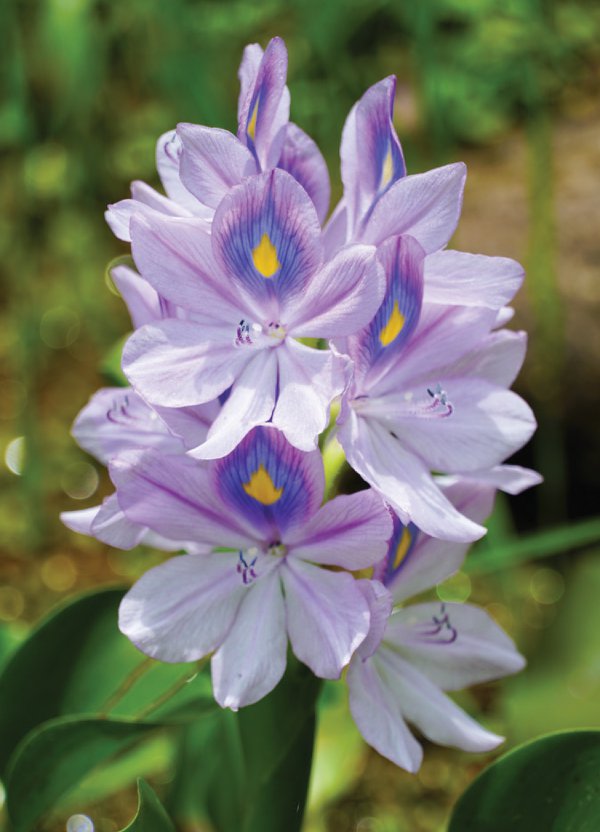
1.Aquatic troublemakers in our ponds and streams: not an exhaustive list: water hyacinth; water clover; chickweed; fragrant waterlily (sorry, but you’ll have to keep a close eye on those lovely waterlilies in your pond—don’t let them escape into nearby creeks and streams); arrowhead (yes, those graceful wings-on-a-stem are trouble; and loosestrife.
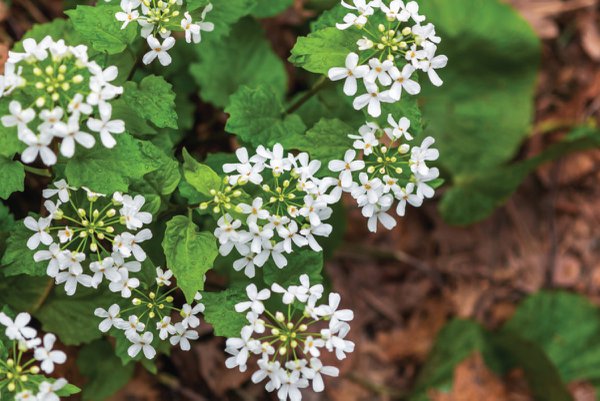
2. Over-zealous herbs: If you’ve ever grown herbs, you’re already well aware of the impact of these hardy plants: yarrow (all varieties); maidenhair fern (sadly, they can get out-of-hand); garlic mustard and regular mustard; wild onion and wild garlic (stick to the grocer’s offerings if you want to avoid lots of weeding); alyssum; amaranth (yup, those lovely purple tufts are trouble); columbine; and wild celery.
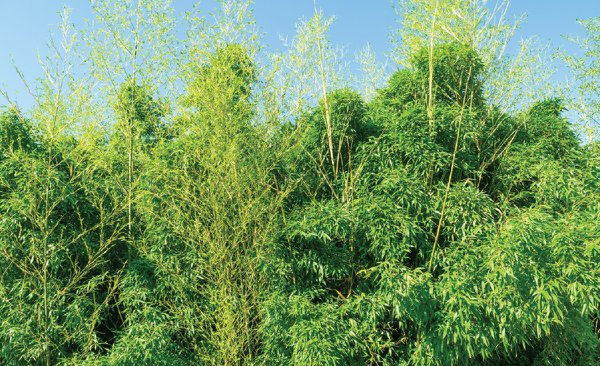
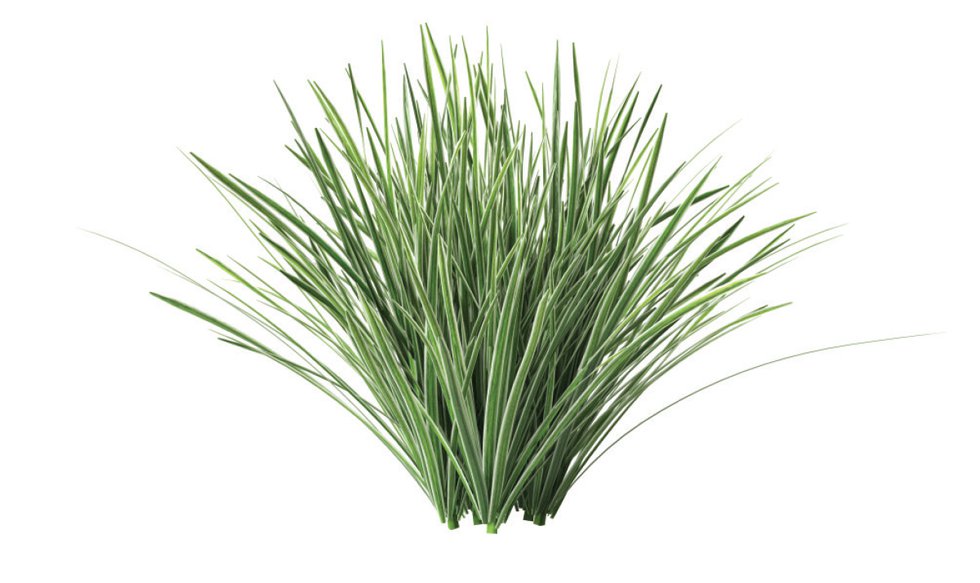
3. Gorgeous but strong-willed grasses: I’ve written before about the difficulty of maintaining even a single specimen of some graceful grasses; well, here’s another problem with these beauties—they sneak out when you’re not looking, like a bunch of teenagers and find themselves where they don’t belong: wheat grass (popular for planting on beaches to control erosion because they spread tenaciously); bamboo (sneaky rhizomes spread everywhere just below the surface soil—you don’t realize where it’s wandered until it’s in your lawn and flowerbeds); sedge grass; pampas grass; and Mediterranean love grass (I know they’re not used much around here, but I love the name).
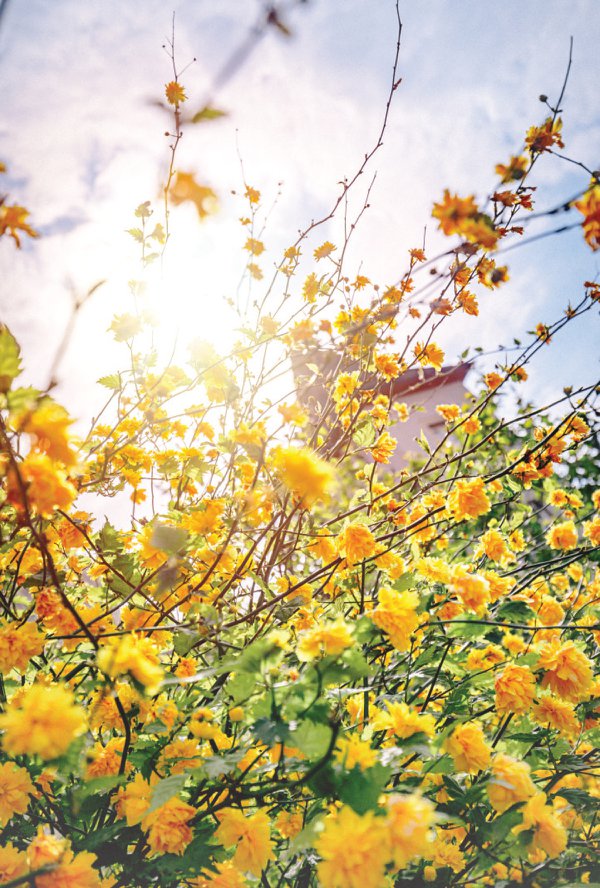
4. Sneaky (i.e. invasive) shrubs: There aren’t many, but, oh, dear, they are popular little guys: Japanese laurel (oh, yes. These guys tend to be the Sumo wrestlers of the shrub world); barberry ; boxwood (those sturdy, old shrubs introduced to the Colonies by the Brits, can be troublesome when they invade! Sound familiar?); cotoneaster; forsythia (our harbingers of spring are easy to propagate and quick to spread); beautybush; and privet.
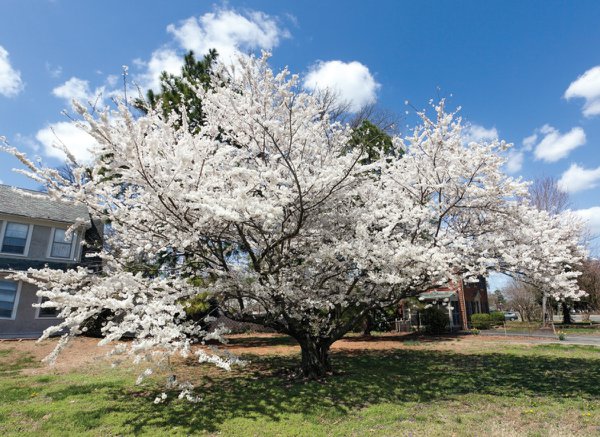
5. Avoid planting these trees: They’re not good neighbors to our native species, but the good news might be that they don’t seem to thrive here either: several varieties of maples; hawthorns; eucalyptus; and Bradford pear (don’t be charmed by its pretty, spring blossoms).
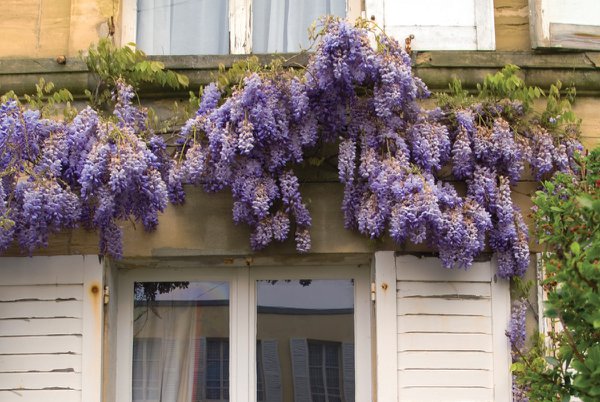
6. Vines: I know you’re probably already well aware of how quickly vines “go walking.” Kudzu immediately comes to mind: bittersweet (not including our lovely American bittersweet which we all cherish); bindweed (more likely to be the bane of farmers than urban gardeners, but sometimes they do sneak in); English ivy (yes, I know it’s a staple in my garden plan too. But we have to keep it strictly under control so it doesn’t strangle trees and overshadow native flowers); morning-glory (most varieties only become destructive if they’re left too many seasons to their own devices—chop them back occasionally; jasmine (that intoxicating fragrance makes them tough to eliminate); and wisteria (yes, I fell under this tough fella’s spell, and now I have a huge, beautiful arbor vine that dares me to keep it trimmed! And its suckers show up everywhere!)
And there you have it…some of the most unwanted invaders. But to end on a happy note, here are some lovely native or indigenous plants you might welcome into your garden.
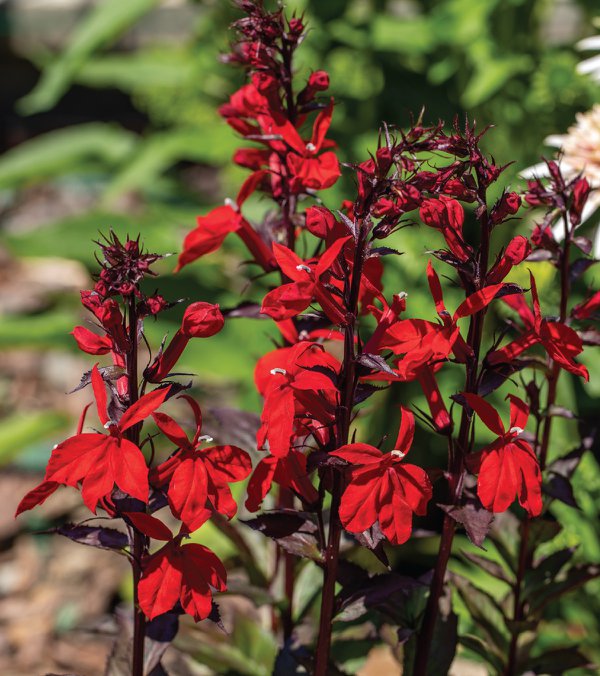
Let’s begin with those tall, elegant showstoppers, Cardinal flowers. They’re perennial and can tolerate partial shade.
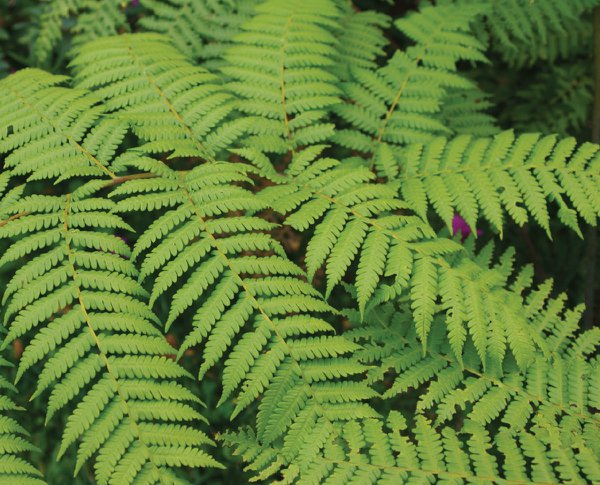
All year long you can enjoy evergreen wood fern. There are lots of subgroups, but they all have those elegant fronds in subtly different colors.
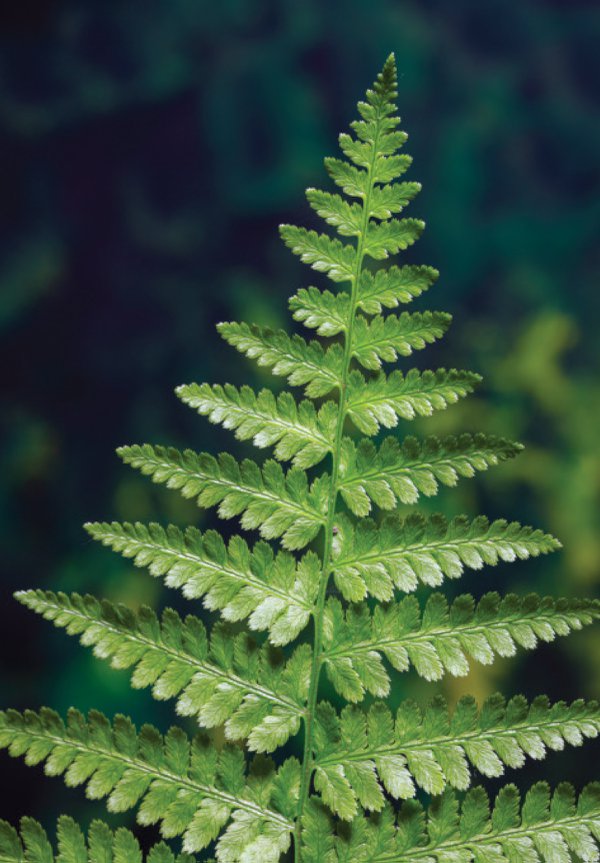
Another old favorite is the lady fern. Also an evergreen plant, its delicate fronds soften your woodland and shady garden areas.
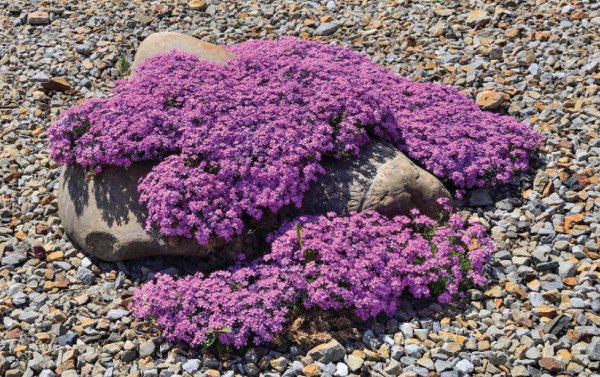
Creeping phlox are that beautiful blooming groundcover that spills over rock walls and softens our flowerbeds. It’s a native perennial, so it will keep producing its color and fragrance year-after-year.
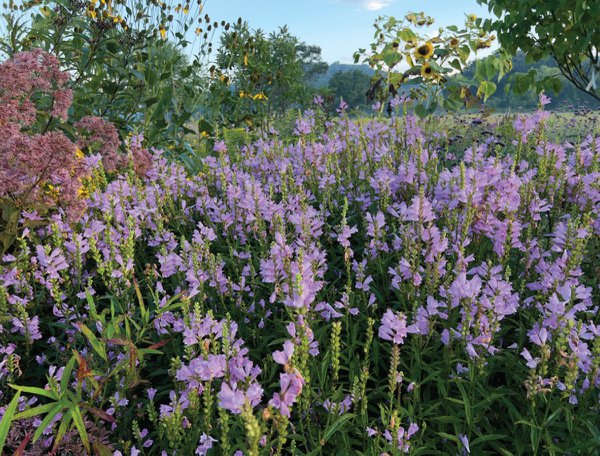
And finally, a personal favorite, the obedient plant. This quiet darling is just as dear as its name. With pink and lavender blossoming heads, they return season-after-season, easily adjust to moves, and stay where they’re planted—obediently.
I’m confident that we, gardeners, will do what we can, each in our own way, to support and protect nature’s beauty. We may allow some of these outcasts into our gardens, but we won’t let them overtake our native plants.
A few precautions to help the birds, bees, butterflies, and bugs in your garden.
Pollinators are an essential part of our garden’s success. Seventy-five percent of all plants depend on pollinators. We’re all aware, I suspect, of the dangers facing pollinators and read our share of articles and books explaining how to plant and maintain gardens that attract pollinators: birds, bees, butterflies, and our less popular friends, bugs.
So, rather than go over lists of the pollinators’ favorite flowers and bushes, I have four cautions or advisories you may want to know when gardening with “The Four Bs” in mind.
Number 1: To feed or not to feed, that may be the question.
If you’re luring pollinators to your garden, particularly birds, plan to provide food and water all year long, including winter months. Bees hibernate. Butterflies may too. Bugs go underground where they sometimes hibernate. If you’ve provided a sanctuary with food and water all summer, the birds may choose to stick around instead of migrating.
In the autumn you’ll either need to find ways to discourage the cardinals, jays, bluebirds, and finches from staying, or you’ll have to provide their necessities all winter long.
Discouraging techniques: If you plan to spend the winter away from home, think about removing some of your garden’s tempting treats in autumn. Stop filling the bird feeders; remove and clean out the birdhouses. If you’ve provided a fountain or a birdbath, drain and clean it. Make your garden less inviting. If birds stay anyway, they will have found ways to feed themselves and locate water. (If you’re home, occasionally during the long, cold winter, you can put out a suet cake or pans of seed and water. But only randomly unless you plan to keep up the kindness.)
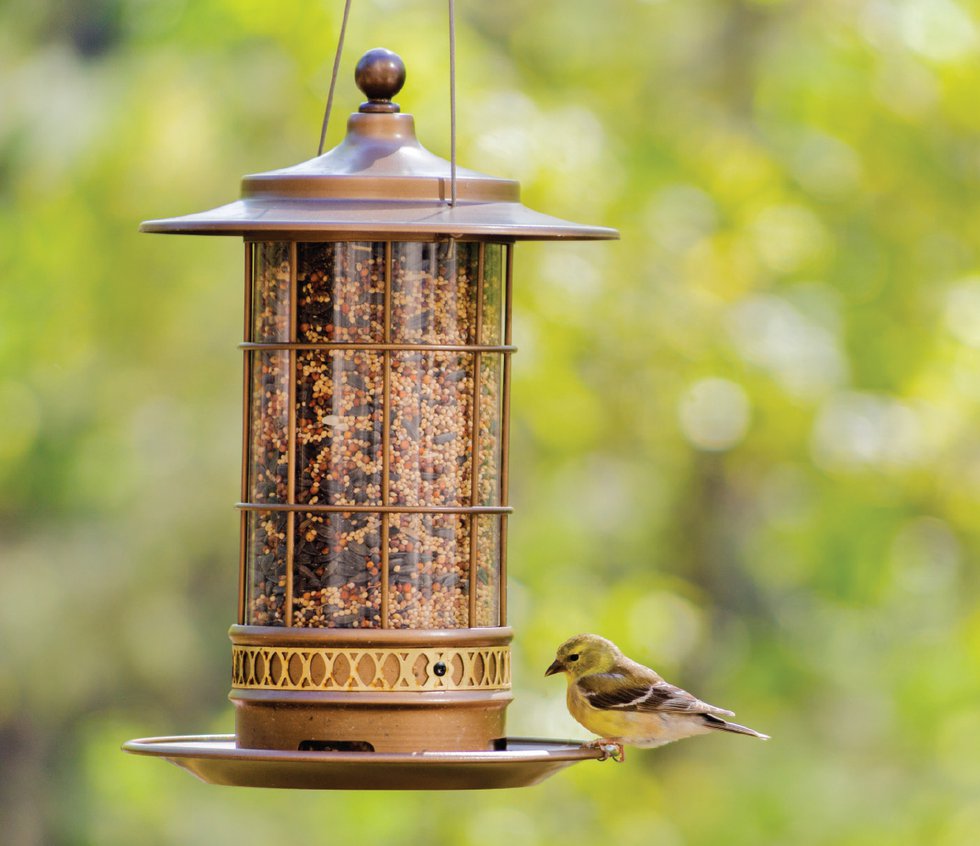
Winter Provisioning techniques: Spending the winter in Maryland can be daunting. Watching our feathered friends enjoy our feeders and birdbaths becomes one of winter’s joys. But it is essential that food and water are consistently provided. If the sources of food and water on which they depend disappear, they may die. Think of the birds as pets that live outdoors. If you go away for more than a day, ask a neighbor or friend to stop by to fill the birdfeeder and refresh the water. (You may want to invest in a birdbath water heater.)
When buying new plants and shrubs for your garden, know your grower, buy your plants from the source. If you are using a professional gardening service, ask if they can vouch for the safety of their growers’ plants. Birds, bees, butterflies, and bugs are extremely susceptible to poisoning by pesticides and chemicals. While you may be very careful to avoid using pesticides in your garden, plants introduced into your garden may carry death warrants for your wild friends, and sometimes even for your pets.
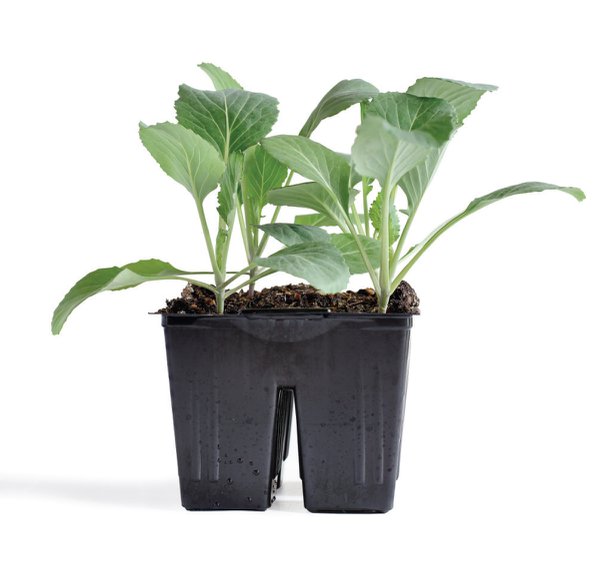
Neonicotinoid chemicals are often used by large-scale growers to protect seedlings and young plants. Since the chemicals are applied long before they’re sent to be sold in big box and hardware stores, usually the neonicotinoid or other chemical pesticides or fertilizers are not identified nor are warning signs put up by the sellers. You could buy a flat of lovely young bee balm and discover too late that they were laced with a lethal chemical.
Number 3: Water, water everywhere, but not a drop to drink!
Birds, bees, and butterflies are not waders! Even though they ingest liquid nectar, they still need fresh water. They need Puddling Stations. Let’s consider how each of these creatures procures water:
1. Birds must be able to stand on a dry or slightly damp surface while leaning forward to take water in their beaks. 2. Bees stand in very shallow water and extend a straw-like appendage (a nose) that inhales water. 3. Butterflies also use a straw-like mouth part. They must settle on a dry or almost-dry surface close to the water without getting their wings wet! 4. Bugs get most of their water from the plants they eat, so we needn’t worry about those little imps.
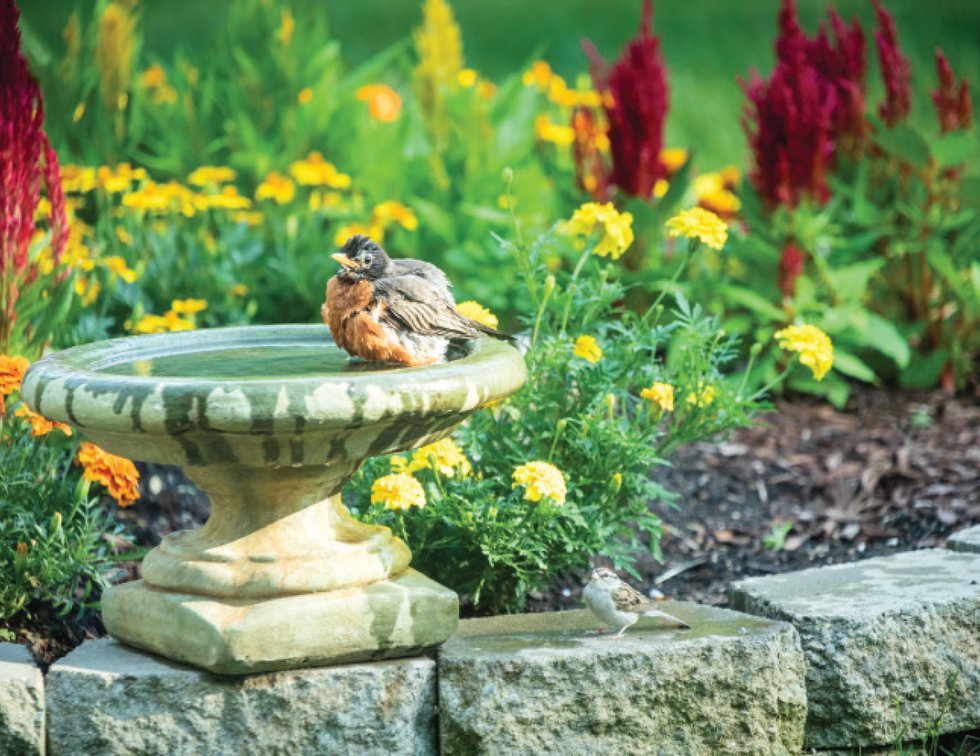
Check your fountain, pond, or birdbath. Be sure it has relatively dry resting places that are very near the water’s surface. You could add a few flat stones in the birdbath. Perhaps devise a platform around the fountain’s edge. Reorganize the steppingstones or pavers around the edge of your pond so that all these little guys can safely drink the water they need.
Unless you have a very savvy professional gardener or you are an experienced gardener yourself, you may be unaware of the headaches you may be planting when you add ornamental grasses and some attractive shrubs to your Pollinator Garden. Yes, the grass provides seeds and cover for little creatures. Yes, the bushes may produce berries that can feed feathered friends. BUT, beware!
Ornamental grasses are lovely and graceful. They’re easy to grow and settle in happily. It’s that “settling in” that gets us in trouble. Each year the ball or tussock at the base of the grasses gets thicker and wider. After a few years you will have a very difficult time dividing the clump or even paring it down to a more manageable size. These tussocks must be addressed yearly and severely chopped to retain control. These grasses are ruthless, and less inviting to the little creatures as they grow more dense.
Ornamental and berry-bearing bushes may have a similar flaw. Burning bushes and winterberry, for example, are lovely to look at, but they are not native, and they spread and invade areas of your garden and the gardens and woods beyond.
All these cautions are just my effort to help you and your pollinators live in harmony in your garden.
I am honored to be one of the 10 finalists in the ESWA Crossroads Poetry & Micro Fiction Contest. I will be reading my poem on Zoom on July 25th at 7:30pm. If you’re free, I’d love to see you among the faces on the Zoom gathering. https://www.easternshorewriters.org/event-5780509
During the Pandemic, approximately 18 million people took up gardening. Now, more than half of American families are involved, to some degree, with their gardens. It’s estimated that last year we spent $48 billion on equipment for our gardens and lawns.
Whether we’re do-it-ourselves gardeners, or we rely on the strong arms and backs of professional gardeners, we need to keep a few tools on hand for our personal use. Additionally, we sometimes covet the handy-dandy gadgets we see friends using or those advertised in our favorite gardening magazines. Or, maybe we’re looking for the perfect gift for a friend who loves gardening.
So, let me review the basic gardening tools you may have or need. Also, I’ll introduce you to a few tools that you may want to add to your gardening equipment just for the fun of it.
There are tools that even the occasional gardener wants to have on hand. Whether you’re looking after pretty tomatoes and geraniums in colorful pots on your deck or keeping up with flower beds of daisies, roses, and forsythia, you will need:
1. Gardening gloves:
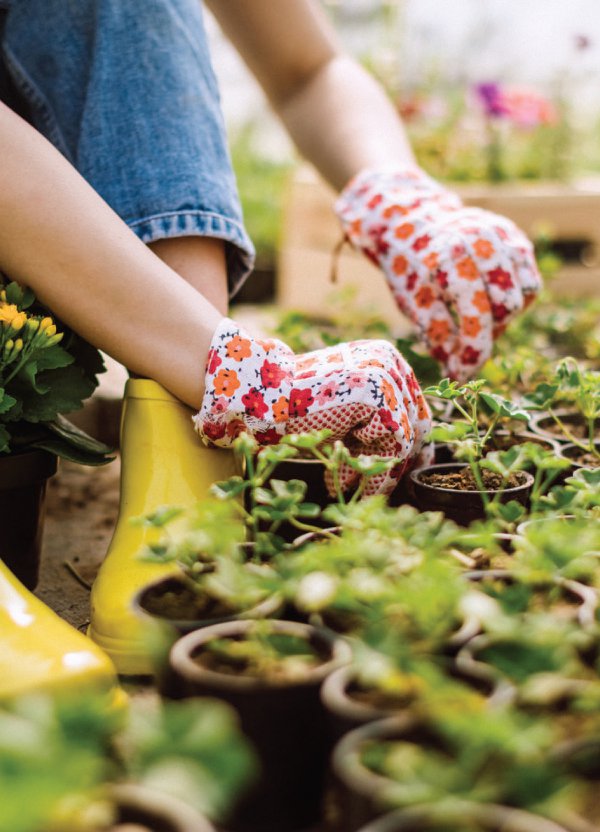
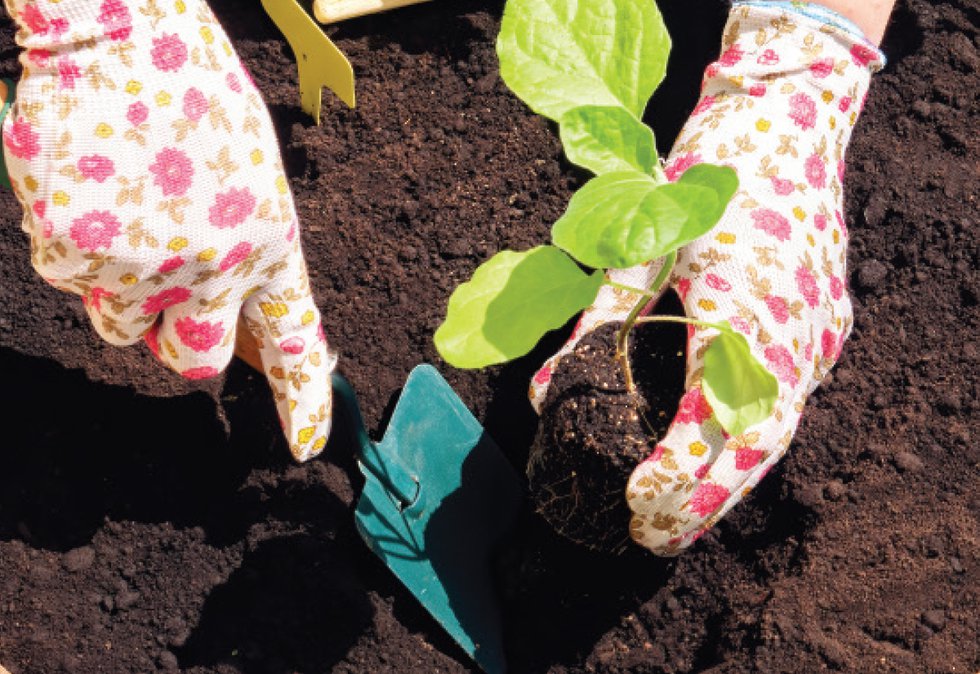
Canvas or leather. Try to find a pair with reinforced fingertips and thumbs. Also, choose gloves that come up over the wrists—protection from thorns and twigs. If you’re buying them as a gift, gardening gloves are usually designated as “small,” “medium,” or “large.” If you’re buying canvas, go a bit large. For leather, you’ll want to choose a pair that fit fairly snuggly; otherwise, leather gloves can interfere with dexterity.
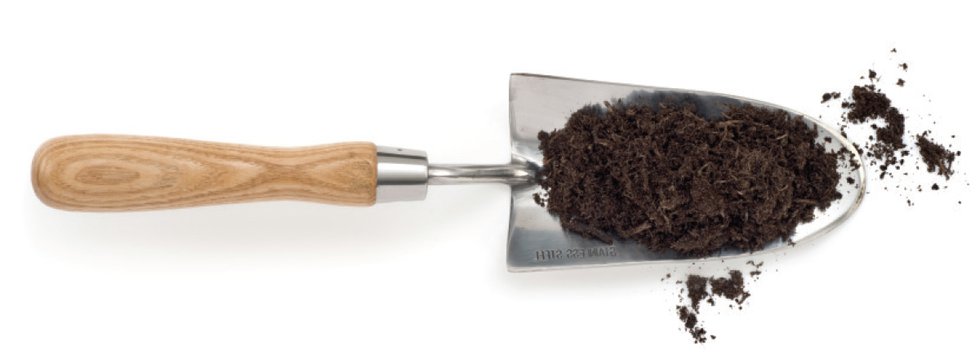
A trowel is a small, narrow shovel-like tool. The narrow version, with a 1–2” wide blade, is great for planting bulbs; the wider trowel, 3–4,” is handy for general digging and planting in the flower beds. In either case, choose steel with a rubber-coated handle designed for steady gripping.
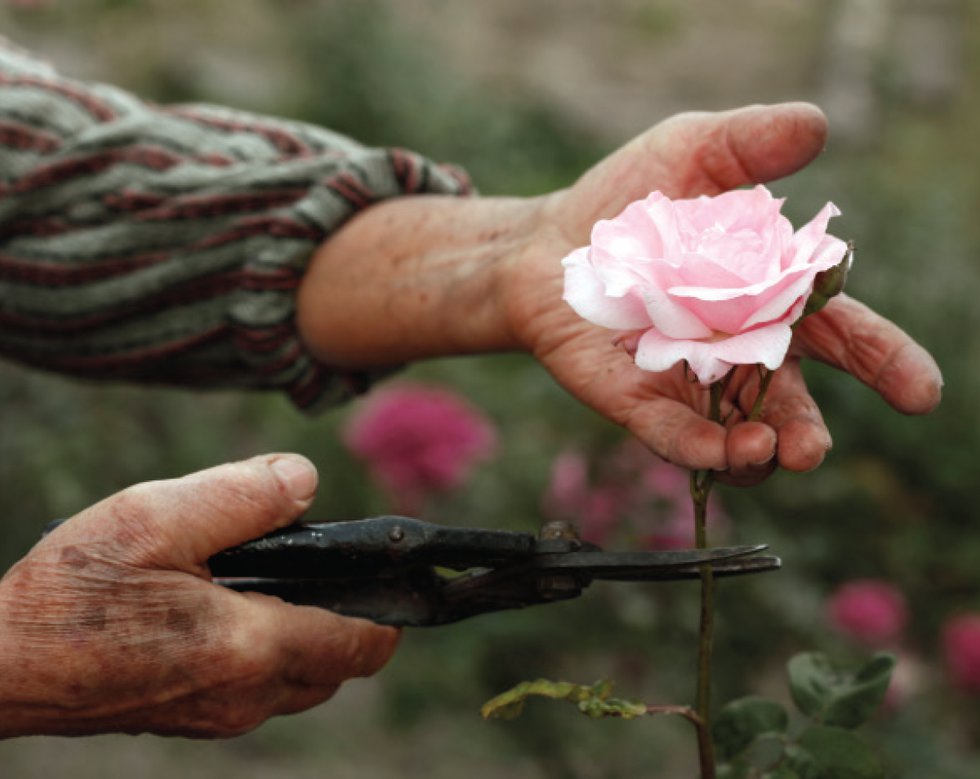
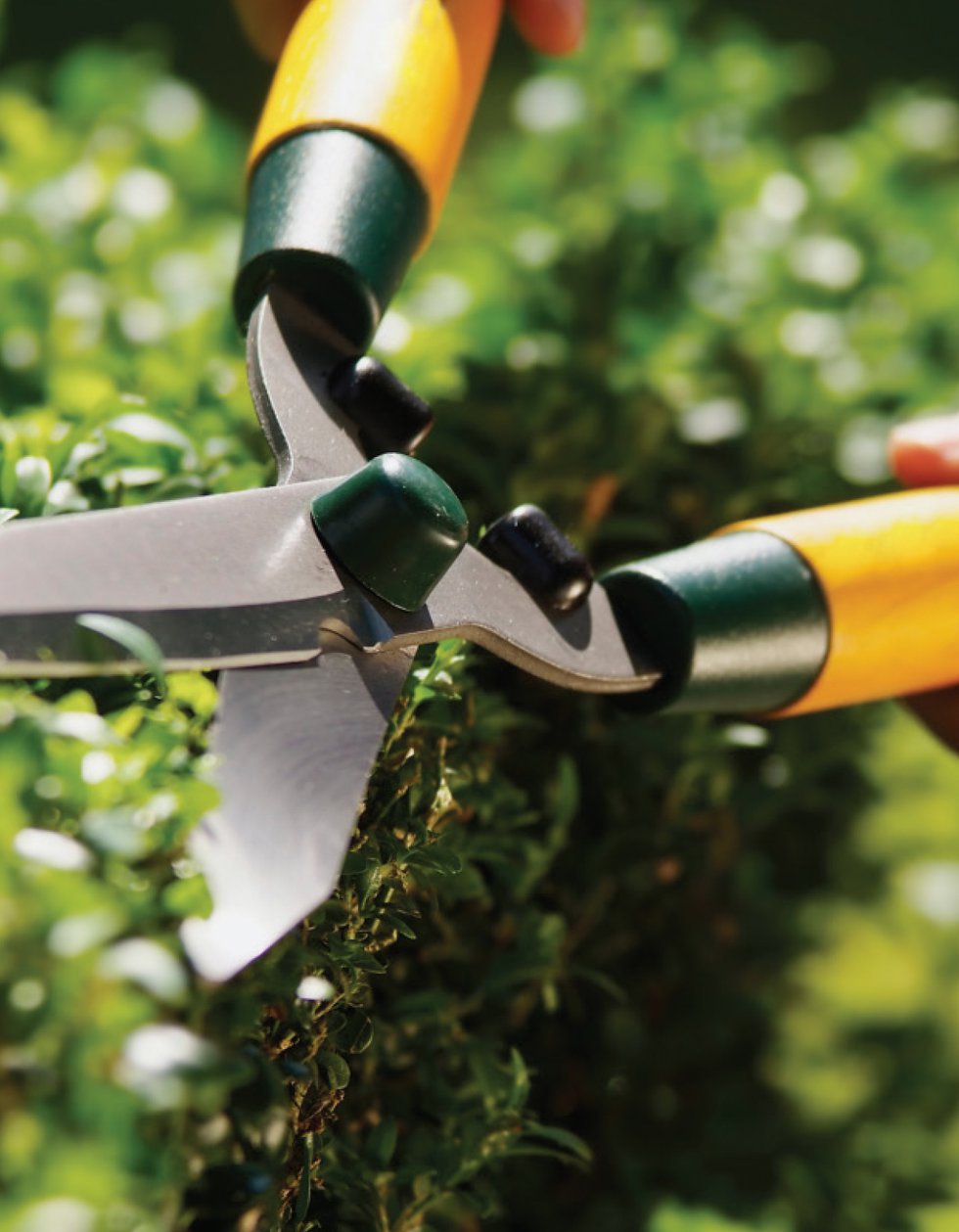
Short bladed clippers that are handy for trimming among flowers and shrubs. Hardened steel is used for the best secateurs; they’re easier to sharpen and hold their edge. Usually, you can buy right or left-handed versions.
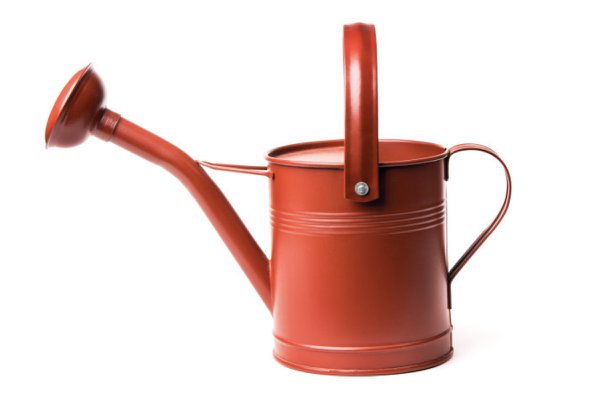
Choose a 1–2-gallon watering can unless you’ve been really faithful at your gym workouts! One gallon of water weighs over eight pounds! Heavy plastic or galvanized steel will give you a can that lasts through one season, at least. Be sure the watering can you choose has a detachable “rose.” That’s the piece you can add to the spout that allows the water to spray rather than pour out.
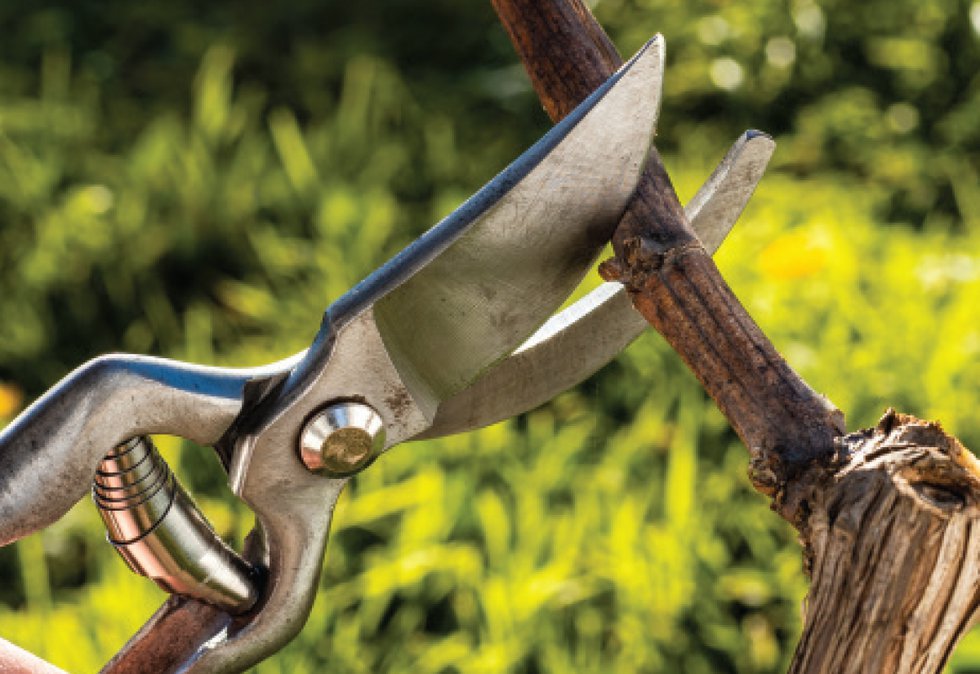
Moving up from the bypass pruners that work like scissors, this tool is for cutting off small branches and makes a clean slice, similar to a knife blade. Look for a sturdy pair with replaceable or easily sharpened blades. Anvil pruners can be bought for right or left hands.
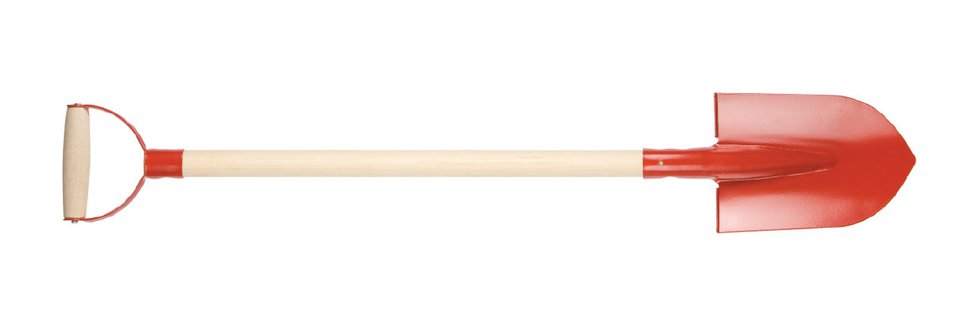
Rather than buy a spade, with a rectangular blade, I prefer a shovel’s curved blade that comes to a point making it easier to penetrate hard-packed soil. A sturdy shovel will have a blade of forged steel with 44–48” handle of fiberglass or wood.
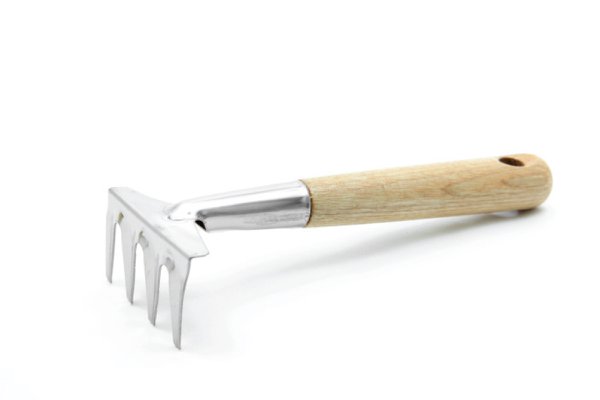
You’ve probably seen these spikey tools—long handles with 6–8 barbed wheels that move independent of each other. Here again, be sure to choose a tool that’s got a sturdy handle and securely attached spikey blades. Remember, you’re going to run this thing over the hard-packed ground to break it up and allow air and water to get below the surface.
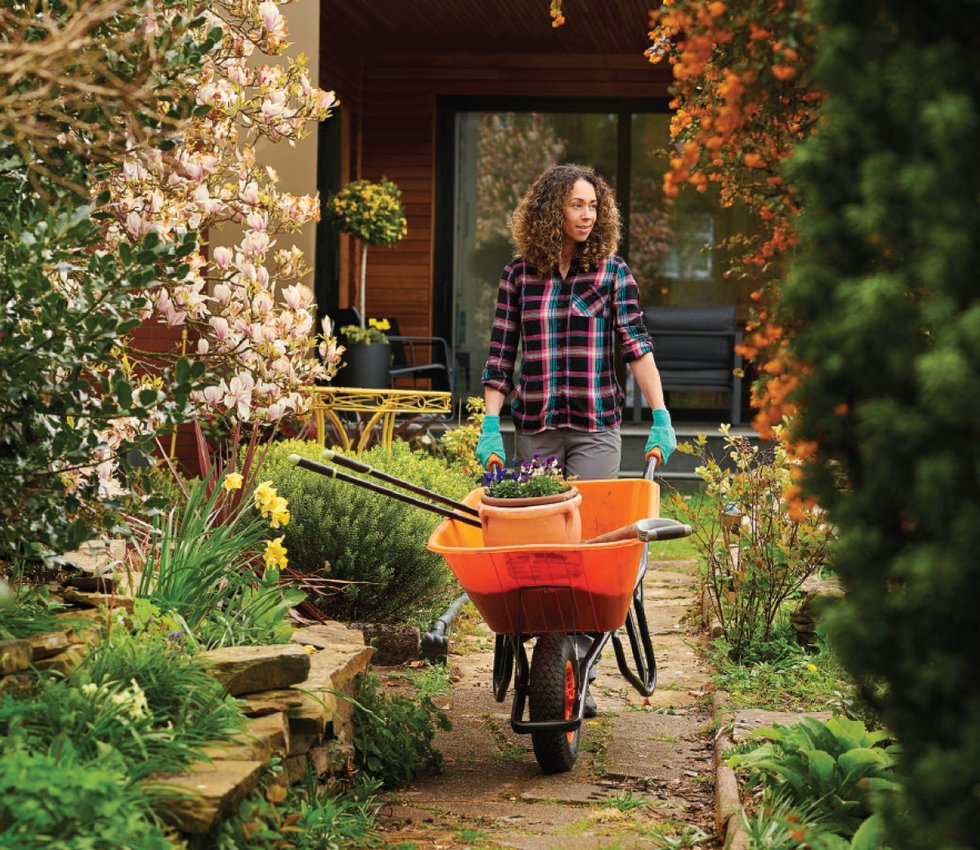
Old or new, big or small, a wheelbarrow is a cherished companion to a happy gardener. You’ll choose the size and character (and there are many types, indeed) based on your requirements. Narrow paths? Small open spaces? No space to store your wheelbarrow? Whatever characteristics matter most, your 3-wheeled companion will be the first thing you’ll drag out in the spring, and the last thing you’ll put away in the fall.
Here are some tools, aka “toys,” that you may want to consider purchasing.
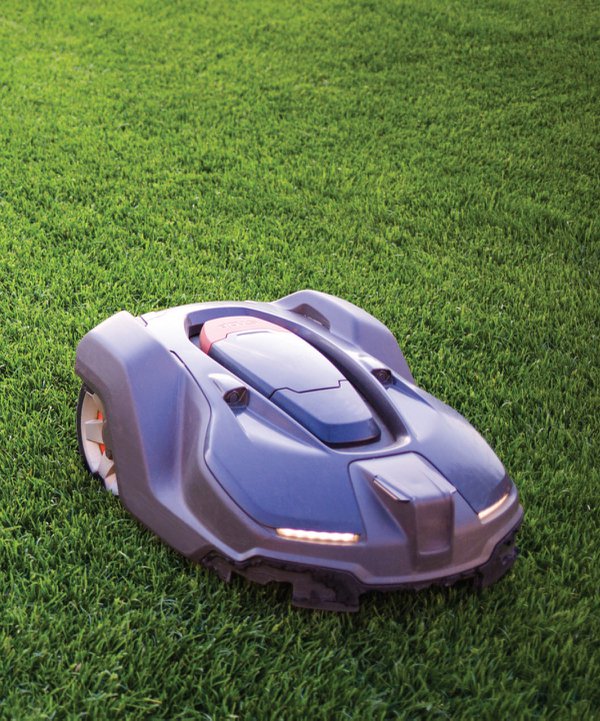
1. Automatic lawn mower:
Even if you have a lawn service, there are those scraggly areas that seem to reassert themselves the moment the mowers drive away! These automatic mowers are similar to automatic vacuums. They’ll wander around the lawn, clipping down overgrown areas. There’s even a model available that looks like a sexy, little, Italian sports car!
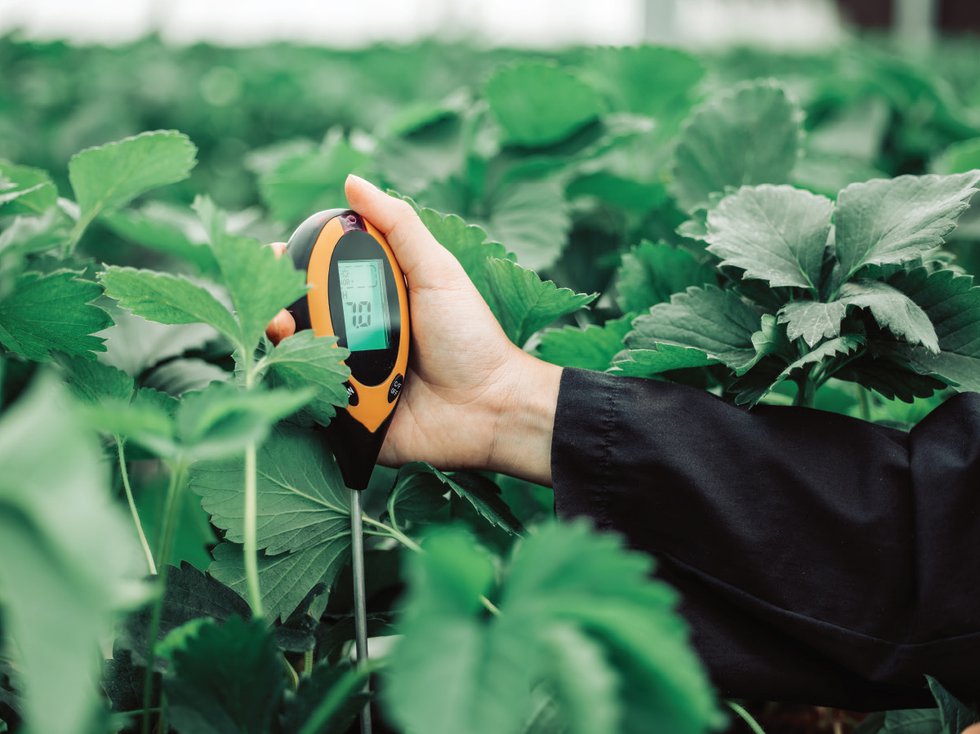
Something a bit less grand but equally handy is a gadget you can stick in the pots of your favorite plants. It will indicate the moisture content of the soil and let you know if it’s time to water. There’s one called “Flowering App” that lets you put a device in each pot, then notifies you on your cell phone when a particular plant needs a drink. (“Ficus calling!”)
Here’s a gadget I certainly covet. It’s a camera activated by movement, that can capture in the dark images of the wild things that visit your garden—deer, raccoons, cats, and dogs.
Whichever tools you find indispensable in your garden, I’m sure you’re oiling, sharpening, and organizing them now for the busy spring gardening season about to get underway. Let the fun begin!




 Opening Lines