I am honored to have one of my poems, “The Red Ribbon”, included in the 2025 edition of MARYLAND BARDS POETRY REVIEW. (Local Gems Press)
THE RED RIBBON
Such a performance – like a peacock the child struts, raising a cloud of dust as she dances past ragged tents and kerosene stoves where shrouded ghosts with dead eyes stir gray pots.
A red strip of cloth encircles her black curls, marking her as precious in a land where life has little value.
Is it inevitable that she will join mothers and grandmothers endlessly coaxing life, like a dying flame, amidst devastation?
Here’s the feature article on Maryland’s Poets Laureate, Grace Cavalieri – 10th Poet Laureate and Lady Brion – 11th Poet Laureate. I’ve also included a short piece on Maryland’s first Youth Poet Laureate, Tara Prakash.
It seems I’m being showered with lovely Holiday surprises. 5 of my poems have been accepted for inclusion on the website of THE NATURE OF OUR TIMES, in the company of such renowned poets as Jane Hirshfield and Terri Glass. https://natureofourtimes.poetsforscience.org/tag/janice-f-booth/
The Nature of Our Times
Poems on America’s Lands, Waters, Wildlife, and Other Natural Wonders
A companion to the First National Nature Assessment (NNA1), Forthcoming, Fall 2025 from Paloma Press, in collaboration with Wick Poetry Center at Kent State University and Poets for Science
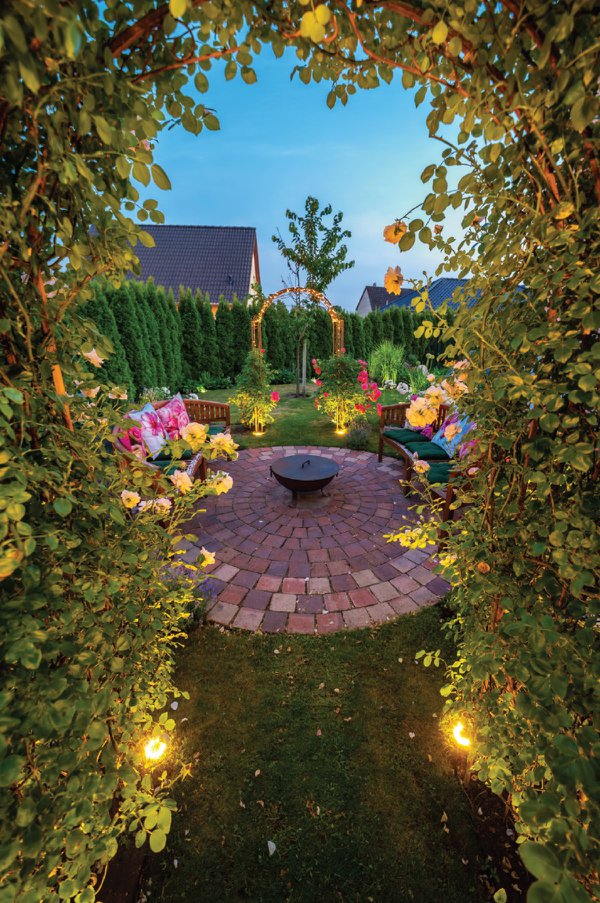
We’re all a bit overheated now that summer has settled in. We wilt when we spend much time outside during the day, and our gardens are wilting a bit too. Don’t be too frustrated. There is a fresh approach to our beloved gardens now that the heat is on. Consider the evening hours when cooler, quiet breezes waft through. Perhaps you already have a “Night Garden.” Or maybe you can enhance some areas of your garden to create a garden to be enjoyed after dark.
Let’s consider (a) the definition of a Night or Moonbeam Garden, (b) the advantages of gardens and gardening after dark, (c) how to create or enhance your evening garden’s delights, and (d) mistakes to avoid in your Moonbeam Garden.
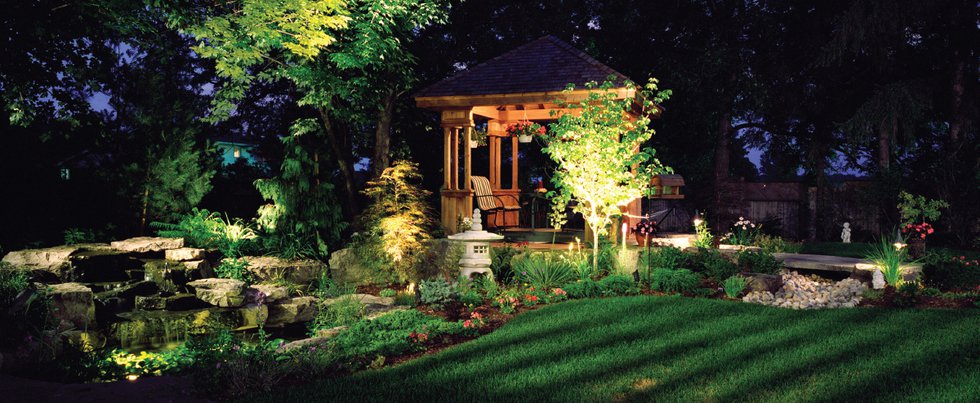
A Moonbeam Garden entices us out-of-doors once the sun has set. In these long days of summer heat and humidity, you may find untapped pleasures while wandering through your garden once night falls. After dark, temperatures drop, responsibilities diminish, and there is time to breathe and reflect. Your trees, flowerbeds, and paths may enhance your all-too-rare hours of reflection. It’s not too late in the season to add and relocate plants for just the serene and glowing experience a Moonbeam Garden can provide.
So, you may be thinking, is it worth the effort to make changes in my garden for those few hours of evening relaxation before I tumble into bed, exhausted by the day’s demands? Once you’ve spent an evening or two under the stars, I predict your response will be a resounding “Yes!”
There are three main advantages to gardening and gardens after dark:
After a day stuck inside our air-conditioned homes and offices, we’re able to step outside and enjoy the solace that nature and our gardens offer. Our Moonbeam Gardens encourage us and others to turn off the TV and the internet, and sit outdoors for a while listening and watching the natural world.
In our gardens, under the starlight, we won’t be tempted to pull those stray weeds or deadhead that brown marigold blossom. There’ll be no need to worry about the tasks—small or large—that confront us in our gardens during the hours of daylight. After dark, we can enjoy our flowers, trees, and other features guilt-free, without “To-do” lists at our elbows. Or, completing some of our gardening tasks in the cool of the evening might be just the ticket for a more satisfying means of handling summer gardening chores. Even watering, at ground level, is enhanced after dark. Be sure water does not remain on leaves.
After birds, bees, and butterflies have gone to rest, our night gardens are alive with nocturnal creatures. The frogs in their pond, the scurrying raccoon, and meandering deer may draw near. (I know…you’re probably thinking, “Yes, the mosquitoes will be out there too!” True, but we can take precautions to deal with mosquitoes. And, by the way, they’re pretty aggressive during the day, too.) Sitting on a bench in the moonlight may bring us closer to some of our four-legged neighbors.
How then can we easily create a Moonbeam Garden or enhance the Night Garden portion of the gardens we have at hand? There are three elements to consider:
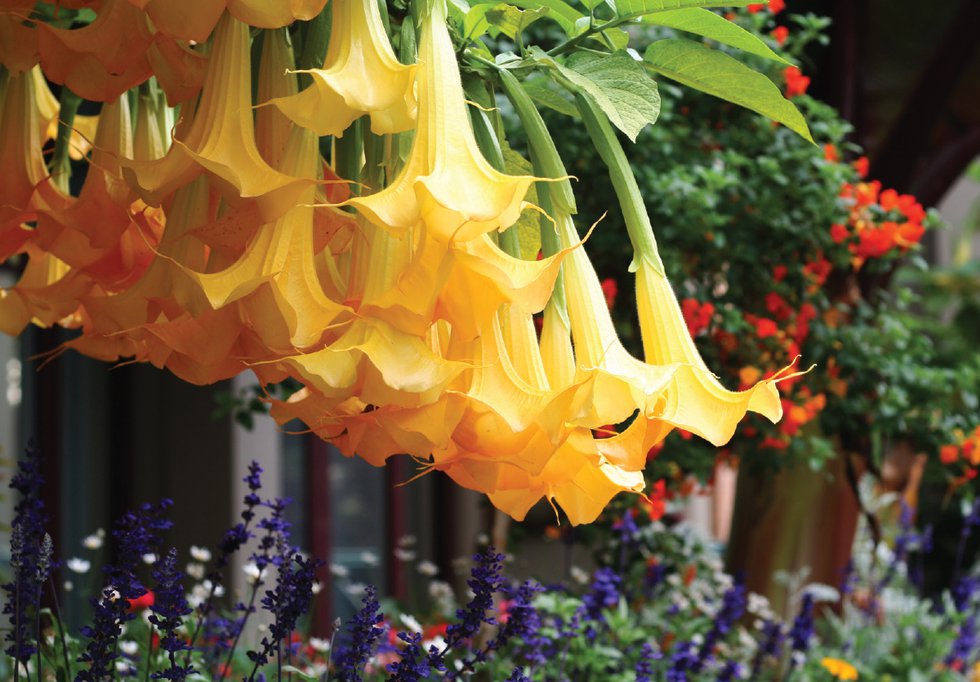
Plants: Choose plants that reflect moonlight and release their fragrance and bloom after dark. For silvery foliage try Artemisa (Mugwort–too bad about that ugly name for a lovely plant), Painted Fern, Dusty Miller, and Lamb’s Ears. For fragrance try the Moonflower Vine, Casa Blanca Lily, Gardenia, Night Phlox, and Star Jasmine. After dark, these beauties show off their blossoms: Angel’s Trumpet, Pee Gee Hydrangea, Moonflower, Nicotiana, Night-Blooming Jasmine, Cleome, Sweet Autumn Clematis.
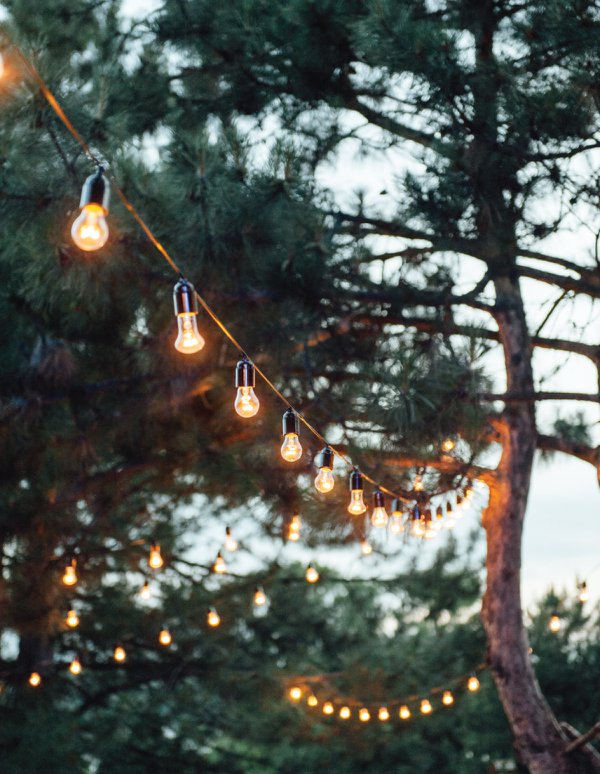
Accents: In addition to plants that are evening’s stand outs, we can add objects such as statues made of some white substances, perhaps a water feature if the garden doesn’t have one already; the sound of moving water is particularly relaxing after dark. Small lights that twinkle or glow without filling the area with light. A quiet, electric fan set low to the ground can enhance airflow and even blow away some of those pesky bugs that nibble on us at night.
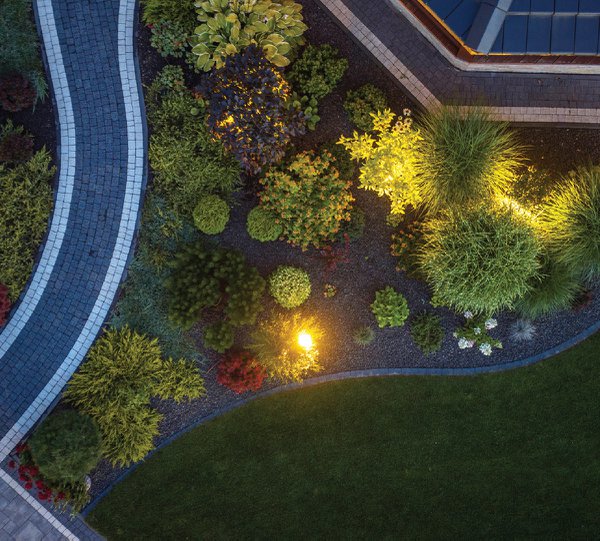
Safety: An easy way to keep our gardens safe havens is to keep the paths safe. Use white pebbles on our paths to reflect whatever light sources are available. If your garden path is pavers or concrete, buy some reflective tape and cut small strips to attach to the pavers. Trim back plants that might impinge on paths or hang low overhead. Be sure you will be able to get back indoors after enjoying the garden; don’t lock yourself out of the house.
Finally, here are a few cautions when planning and enjoying our Moonbeam Gardens:
Think about your neighbors. Some of us have lots of privacy around our gardens, while some of us have neighbors’ bedroom windows and patios very close to our gardens. When creating or redesigning your garden for the evening hours, think about light and noise pollution. Direct any garden lighting so it is low and soft. We want the moonbeams and stars to take center stage anyway.
Be sure any electrical outlets or equipment is safely out of our way when we wander along the dark paths or sit on a bench or lawn chair. And, be sure that water cannot short-out your electric equipment. If our lights and pumps were a do-it-yourself project, we might bring in an electrician to check that there are no dangerous situations waiting to happen.
Keep a flashlight near a favorite bench or at the garden gate. Sometimes, even in the most familiar of places, we can become confused or noises may distract or worry us. Click on that flashlight to put ourselves at ease. The small creature will scurry, and the path we were looking for will become apparent.
As the summer slips away and autumn approaches, we may find ourselves counting the hours until the sunsets and we wander again through the garden beneath the moon and stars.





 Opening Lines